Top Emergency Plumbers in Wanamassa, NJ, 07712 | Compare & Call

There are 240 plumbing companies server in Wanamassa NJ
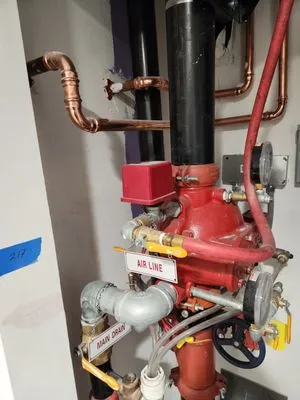
Pee's Plumber and Heating is a trusted, full-service plumbing company serving Newportville, PA, and the surrounding communities. We specialize in addressing the common plumbing challenges faced by loc...
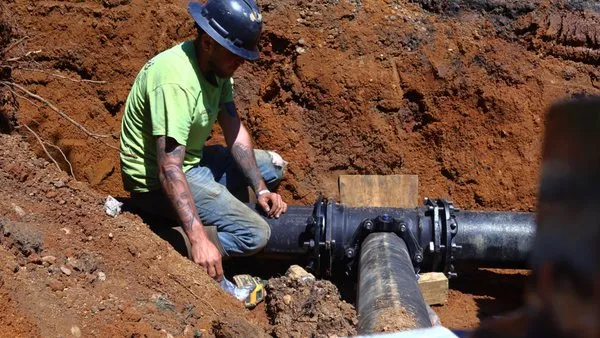
KE Seifert, Inc. is a trusted plumbing and HVAC contractor with deep roots in the Langhorne community. Our journey began in 1981 with drain cleaning services for Bucks County. By 1983, we had expanded...
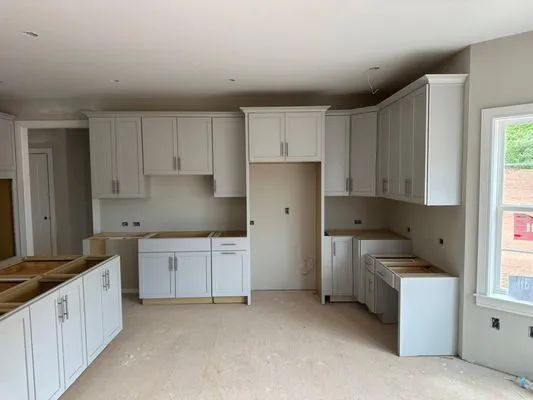
KLL Home Improvements, based in Stroudsburg, PA, is a family-owned contractor founded over a decade ago on a passion for blending design and functionality. Specializing in kitchen and bathroom remodel...

Al's Plumbing has been serving Southampton, PA, and the surrounding communities with reliable plumbing solutions for years. As a locally owned and operated business, we understand the unique plumbing ...
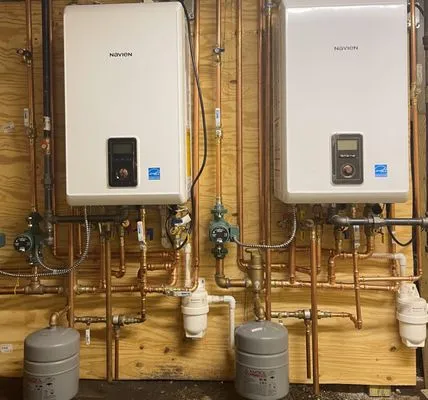
M&A Plumbing and Heating
For over a decade, M&A Plumbing and Heating has been a trusted name in Jersey City, built on a foundation of honesty, care, and reliability. Driven by owner Danny's commitment to customer satisfaction...
Service Tech Plumbing Heating &Cooling
Service Tech Plumbing Heating & Cooling is a trusted, locally-owned company serving Sayreville and surrounding areas. Founded in 2014 by master licensed plumber and HVAC technician Denis Cekic, our te...
Binsky Home Service
Binsky Home Service is a family-owned home service provider serving Somerset, NJ, and surrounding communities with over 85 years of combined experience. Founded and operated by fourth-generation owner...
GP Mechanical
At GP Mechanical in Newark, NJ, we provide reliable plumbing, HVAC, and home improvement services tailored to the unique needs of your home. Our experienced team approaches every job, from emergency r...
Ace Plumbing and Heating
Ace Plumbing and Heating is your trusted, full-service plumbing and HVAC specialist serving Jamesburg, NJ, and the surrounding communities. We understand the unique challenges homeowners face here, fr...
Flow Pros
Flow Pros is a trusted plumbing and HVAC service provider serving East Brunswick, NJ, and surrounding areas. With expertise in everything from routine maintenance to emergency repairs, we help homeown...
Estimated Plumbing Costs in Wanamassa, NJ
Common Questions
How quickly can a plumber reach my Wanamassa home in an emergency?
Heading past Asbury Park Boardwalk on Garden State Parkway puts me on the most direct route to Wanamassa. That dispatch route typically takes 20-30 minutes depending on traffic patterns. I keep a stocked service van ready for common Wanamassa plumbing issues like burst galvanized pipes or water heater failures. Knowing the local roads means I can adjust my route if there's congestion around the boardwalk area.
What permits or approvals do I need for plumbing work in Ocean Township?
Ocean Township Department of Community Development requires permits for most plumbing replacements, especially whole-house repipes or water heater installations. As a New Jersey State Board of Examiners of Master Plumbers licensee, I handle the red tape so you don't have to. This includes submitting plans, scheduling inspections, and ensuring all work meets current code requirements. Proper documentation protects your home's value and ensures future buyers see permitted, professional work.
Why do my 1950s-era pipes keep springing leaks even after repairs?
Galvanized steel pipes from 1957 suffer from joint calcification and pinhole leaks as they age. Mineral deposits build up at threaded connections, creating stress points that crack under normal water pressure. The steel itself becomes brittle and thin after decades of corrosion. Temporary repairs often fail because the surrounding pipe material has already weakened significantly. Complete pipe replacement becomes necessary when multiple sections show this type of deterioration.
What should I do before spring thaw to prevent plumbing problems?
Before temperatures rise above freezing consistently, check all exposed pipes for insulation gaps, especially in crawl spaces and basements. Spring thaw can reveal leaks that developed during winter freeze cycles. A pro-tip for our temperate climate: shut off and drain outdoor spigots before the first freeze, then inspect them for cracks when you reopen them in spring. This prevents small cracks from becoming major leaks when water pressure returns.
Could my home's location near the coast affect my main sewer line?
Coastal terrain around Asbury Park Boardwalk has sandy soil that shifts with moisture changes, putting stress on main sewer lines. This movement can cause joints to separate or pipes to crack over time. Drainage systems must account for the gentle slope toward the coast, as improper grading can lead to standing water that saturates soil around foundation drains. Older clay sewer lines are particularly vulnerable to this type of ground movement.
As a suburban homeowner, what unique plumbing issues should I watch for?
Suburban homes in Wanamassa typically connect to municipal water systems that maintain consistent pressure, which is good for daily use but hard on aging galvanized pipes. Tree roots seek out moisture in sewer laterals, especially during dry periods. Unlike rural properties with wells and septic systems, you're dealing with shared infrastructure where proper venting and backflow prevention become critical. Regular inspections catch root intrusions before they cause complete blockages.
My Wanamassa Gardens home was built around 1957 - should I be worried about my plumbing?
Galvanized steel pipes installed in 1957 are now 69 years old, well beyond their 40-50 year lifespan. Homeowners in Wanamassa Gardens are seeing rust-colored water, reduced water pressure, and frequent leaks as the interior walls of these pipes have corroded nearly completely. The zinc coating that protects the steel has worn away decades ago, leaving bare iron that reacts with water and minerals. What starts as minor discoloration often progresses to complete pipe failure within a year or two.
Does hard water from Manasquan Reservoir damage plumbing fixtures?
Water from Manasquan Reservoir contains minerals that create scale buildup inside pipes and appliances. This scaling reduces water heater efficiency by insulating heating elements, forcing them to work harder and fail sooner. Fixtures develop reduced flow as mineral deposits accumulate in aerators and valve seats. Water softeners help, but they don't remove existing scale from older galvanized pipes where minerals have bonded to corroded surfaces over decades.
