Top Emergency Plumbers in Tewksbury, NJ, 07830 | Compare & Call

There are 239 plumbing companies server in Tewksbury NJ
Plumbing Pals
Plumbing Pals is a family-owned and operated plumbing company serving Philadelphia and the surrounding communities. We specialize in drain cleaning, hydro jetting, and camera scope inspections, provid...
Rick Lucas Plumbing & Remodeling - Plumber in Bucks County
Rick Lucas Plumbing & Remodeling is a family-owned and operated plumbing service proudly serving Feasterville-Trevose and all of Bucks County. With over 35 years of hands-on experience and a master pl...
Goodman Plumbing
Goodman Plumbing has been a trusted name in Philadelphia, Bucks, and Montgomery Counties since 1956. As a second-generation, family-owned and operated business, we bring over six decades of local expe...
Pinnacle Plumbing
Pinnacle Plumbing is a family-owned and operated business serving Philadelphia with over 25 years of dedicated local experience. We understand that plumbing problems are more than just an inconvenienc...
Facelift Remodelers & Plumbing Services
Facelift Remodelers & Plumbing Services is a Philadelphia-based plumbing company dedicated to providing reliable and transparent plumbing solutions for local homeowners. With expertise in water heater...
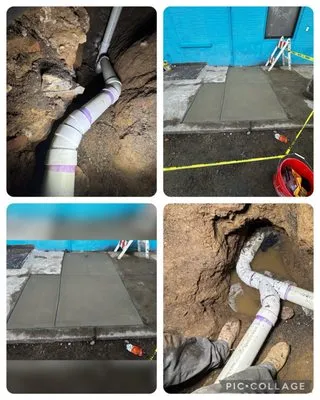
KCC Drain Services is a veteran-owned and operated plumbing business serving Philadelphia, PA, specializing in both residential and commercial plumbing and drain services. We offer a comprehensive ran...
Christian Heating & Air Conditioning
Christian Heating & Air Conditioning has been a trusted HVAC and plumbing provider in Southampton, PA, and surrounding Bucks and Montgomery Counties since 1989. Founded by Marco Giancroce, who brings ...

Daniels Plumbing & Drain Cleaning
Daniels Plumbing & Drain Cleaning is a trusted, full-service plumbing company serving Southampton, PA, and the surrounding tri-state area. We provide comprehensive solutions for both homes and busines...

Elek Plumbing has been serving Allentown and the Lehigh Valley since 1913, when Hungarian immigrant William Elek Senior founded the business in Bethlehem. Now in its third generation of family ownersh...
Edwin Stipe
Since 1894, Edwin Stipe has been the trusted name for plumbing and HVAC in Easton, PA, and the Lehigh Valley. Operating with the same mission for over a century, we believe in employing skilled techni...
Estimated Plumbing Costs in Tewksbury, NJ
Frequently Asked Questions
What kind of plumbing problems should I expect with 1970s copper pipes?
Copper pipes from this era commonly develop pinhole leaks due to decades of water flow erosion. Joint calcification also occurs where fittings meet pipes, restricting water pressure over time. These failures often manifest as small drips behind walls or under sinks before becoming more noticeable. The 48-year-old copper has likely experienced multiple thermal expansion cycles that stress solder joints.
What permits or inspections are needed for plumbing work in Tewksbury Township?
Tewksbury Township Construction Department requires permits for most plumbing modifications beyond basic repairs. As a New Jersey State Board of Examiners licensed Master Plumber, I handle the permit applications and required inspections. This includes coordinating with township officials for septic system work, well modifications, or major pipe replacements. Proper documentation ensures your plumbing upgrades meet current codes and maintain property value.
Are there special plumbing considerations for rural Tewksbury homes compared to suburban areas?
Rural properties here typically combine private wells with septic systems, creating interdependent water management. Well pump pressure needs balancing with septic tank capacity to prevent overload during high water usage. Unlike municipal systems, rural plumbing lacks access to public water pressure monitoring, making pressure regulator maintenance more critical. Septic field placement must account for the hilly terrain to ensure proper drainage.
How does Tewksbury's hilly landscape affect my home's drainage system?
Hilly terrain around Cold Brook Preserve creates natural drainage challenges for plumbing systems. Slope variations put additional stress on main sewer lines, potentially causing sagging or separation at joints over time. Properties on inclines often experience faster water flow that can erode pipe interiors. Soil movement on slopes may gradually shift underground pipes, requiring occasional realignment or support adjustments.
How quickly can a plumber reach my home in Tewksbury during an emergency?
Heading past Cold Brook Preserve on I-78 provides the most direct route to most Tewksbury addresses. This dispatch path typically allows a 45-60 minute response window from initial call to arrival. Traffic patterns on I-78 during peak hours can add 10-15 minutes, but the route remains reliable for accessing properties throughout the township.
Does having a private well in Tewksbury affect my plumbing fixtures differently than municipal water?
Private wells in this area often draw acidic, corrosive water that accelerates fixture deterioration. Water heaters experience accelerated anode rod depletion, requiring more frequent replacement to prevent tank corrosion. Fixtures develop mineral buildup faster, and the corrosive water can etch porcelain surfaces over several years. Well water typically lacks the corrosion inhibitors found in treated municipal supplies.
My copper pipes are original to my 1978 home - should I be worried about them failing soon?
Copper pipes installed in 1978 are now 48 years old. In Oldwick and surrounding areas, homeowners are seeing pinhole leaks develop in these aging systems. The copper has endured decades of water flow and mineral interaction, reaching a point where wall thinning becomes noticeable. Many neighbors report small leaks appearing at joints or along straight runs, often requiring spot repairs or section replacements.
What should I do to prepare my plumbing for Tewksbury's spring weather changes?
Spring thaw brings increased groundwater that can infiltrate basement drains and put pressure on sump pumps. Check your sump pump operation before the thaw peaks in late March. Insulate exposed pipes in crawl spaces, as temperatures can still drop to 20°F during early spring nights. Clear exterior drains of winter debris to handle increased runoff from melting snow and spring rains.
