Top Emergency Plumbers in Tabernacle, NJ, 08019 | Compare & Call

There are 237 plumbing companies server in Tabernacle NJ
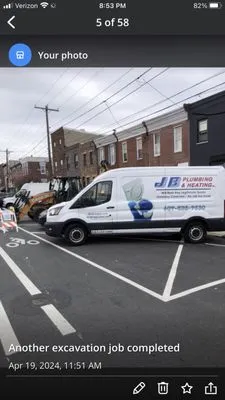
Since 1979, JB Plumbing and Heating has been a family-owned and operated plumbing service in Philadelphia. As the owner for the last 30 years, I ensure we are a licensed, registered, and punctual team...
Philadelphia Plumbing Services, LLC is a locally owned and operated plumbing company established in 2012. Our registered Master Plumber and team provide reliable residential and commercial plumbing se...
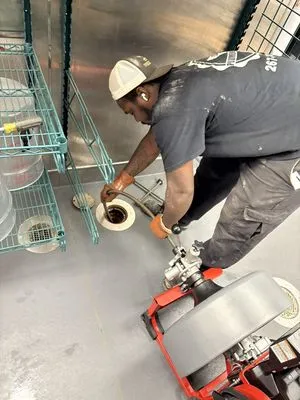
Boss Plumbing & Heating
As a family-owned, licensed, and insured business serving the Greater Philadelphia area, Boss Plumbing & Heating brings a personal touch to every job. Our team arrives at your door ready to listen, tr...

My Plumber has been a trusted Philadelphia plumbing service since 1975. We are a licensed, professional team serving the tri-state area with reliable solutions for everything from simple faucet repair...
Plumbing Pals
Plumbing Pals is a family-owned and operated plumbing company serving Philadelphia and the surrounding communities. We specialize in drain cleaning, hydro jetting, and camera scope inspections, provid...
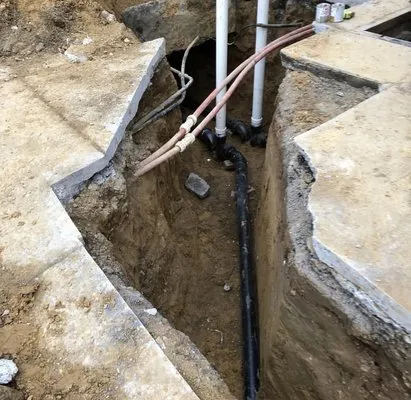
Aqua Plumbing & Heating
Aqua Plumbing & Heating is a family-owned Philadelphia plumbing and HVAC company dedicated to providing reliable service for both homes and businesses. We handle everything from emergency repairs on l...
Drains R Us Plumbing and Drain Cleaning
Drains R Us Plumbing and Drain Cleaning is a Philadelphia-based plumbing company founded by two experienced professionals with over a decade of experience at one of the world's largest plumbing compan...
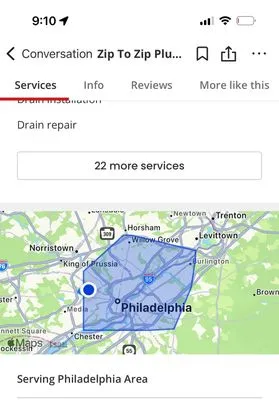
Zip To Zip Plumbing has been serving Philadelphia homeowners since 2008 as a licensed, trusted residential plumbing service. We specialize in a full range of plumbing solutions including installations...
Rick Lucas Plumbing & Remodeling - Plumber in Bucks County
Rick Lucas Plumbing & Remodeling is a family-owned and operated plumbing service proudly serving Feasterville-Trevose and all of Bucks County. With over 35 years of hands-on experience and a master pl...
Vaughan Plumbing is a trusted local plumbing service in Philadelphia, PA, dedicated to providing reliable solutions for residential plumbing needs. We specialize in a comprehensive range of services i...
Estimated Plumbing Costs in Tabernacle, NJ
Question Answers
How does well water affect plumbing systems in Tabernacle?
Private wells in Tabernacle supply acidic, corrosive water that accelerates fixture deterioration. Water heaters experience anode rod depletion within 3-5 years instead of the typical 8-10. Fixtures develop mineral buildup that restricts flow. Installing whole-house water treatment extends plumbing lifespan significantly.
What permits are needed for plumbing work in Tabernacle Township?
Tabernacle Township Construction Office requires permits for most plumbing installations and replacements. As a New Jersey State Board of Examiners licensed Master Plumber, I handle the red tape so you don't have to. This includes submitting plans, scheduling inspections, and ensuring all work meets current code requirements for your safety.
How quickly can a plumber reach my home in Tabernacle?
Heading past Tabernacle Historic District on Route 206, most dispatch routes cover the township within 45-60 minutes. Route 206 provides direct access to residential areas while avoiding congestion. We plan routes to minimize travel time, accounting for local traffic patterns and property access.
Why do copper pipes from the 1980s fail in Tabernacle?
Copper pipes installed in 1981 often develop pinhole leaks due to corrosion from acidic well water. Joint calcification also occurs, restricting flow at solder points. These failures typically manifest as small drips that worsen over months. Early detection prevents water damage to walls and foundations.
Does Tabernacle's low-lying terrain cause plumbing problems?
Low-lying areas around Tabernacle Historic District experience poor drainage that saturates soil. This puts constant pressure on main sewer lines, leading to joint separation over time. Basements in these areas often need sump pumps to manage groundwater. Proper grading away from foundations prevents many drainage-related issues.
How does rural living in Tabernacle affect plumbing maintenance?
Rural properties rely on septic systems and private wells that require regular maintenance. Septic tanks need pumping every 3-5 years depending on household size. Well pumps and pressure tanks should be inspected annually. These systems lack municipal oversight, making proactive maintenance essential to avoid emergencies.
How old are the copper pipes in Tabernacle homes and what should I expect?
Copper plumbing installed around 1981 is now 45 years old. Homeowners in Tabernacle Center are seeing pinhole leaks, reduced water pressure, and blue-green stains on fixtures. This age represents the typical lifespan for copper in our area's water conditions. Expect more frequent repairs as the metal thins from decades of corrosion.
What spring plumbing issues should Tabernacle homeowners prepare for?
Spring thaw brings temperature swings from 22°F lows to rapid warming, stressing pipes. Check exposed plumbing for condensation that indicates insulation gaps. A pro-tip: drain outdoor spigots completely before the last freeze to prevent split pipes. Monitor water pressure during thaw cycles for sudden changes.
