Top Emergency Plumbers in Society Hill, NJ, 08854 | Compare & Call

There are 238 plumbing companies server in Society Hill NJ

Tri Zone Mechanical is a trusted Stroudsburg-based service provider with deep roots in the community. Starting with car air conditioner recharging and budget-friendly services, we've grown into a comp...
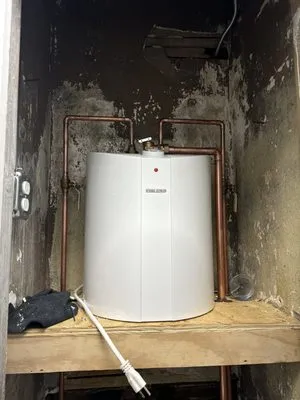
Lamoreaux Plumbing is a trusted local plumbing service dedicated to Bethlehem, PA, and the surrounding communities. We approach every project, from a simple faucet repair to a complete sewer line repl...
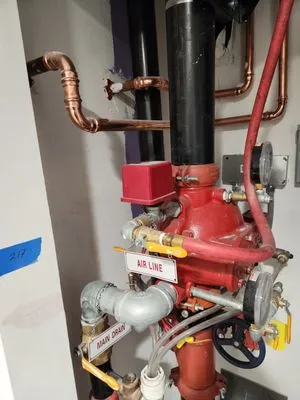
Pee's Plumber and Heating is a trusted, full-service plumbing company serving Newportville, PA, and the surrounding communities. We specialize in addressing the common plumbing challenges faced by loc...
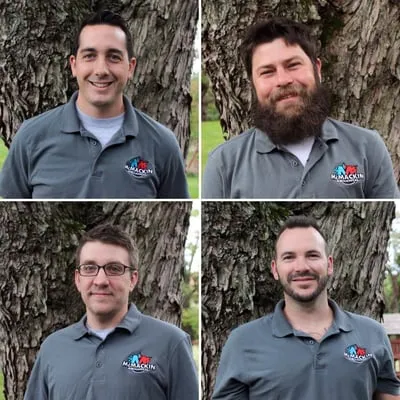
McMackin Mechanical
McMackin Mechanical is a trusted plumbing and HVAC company serving Doylestown, PA, and the surrounding Bucks County area. With over 25 years of combined experience, our dedicated team focuses on provi...
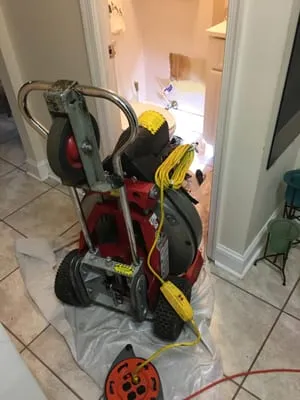
Express Drains is a family-owned plumbing and drain service company based in Warminster, PA, committed to providing honest, efficient service for homes and businesses. We understand the importance of ...
One Worth Service is a Philadelphia-based home service provider specializing in comprehensive residential construction, remodeling, and essential system repairs. Our work spans from bathroom and kitch...
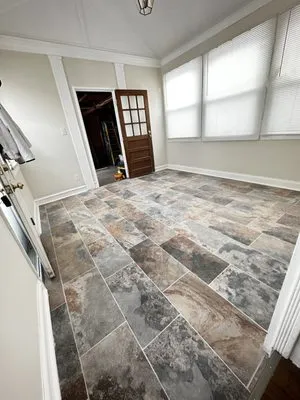
Dymor Construction is a Philadelphia-based general contractor specializing in comprehensive home construction, remodeling, and repair services. From major structural additions like balconies and new r...
Tehillim Maintenance & Repair Services
Tehillim Maintenance & Repair Services is a Philadelphia-based, full-service provider dedicated to keeping homes and industrial facilities running smoothly. We specialize in a comprehensive range of e...
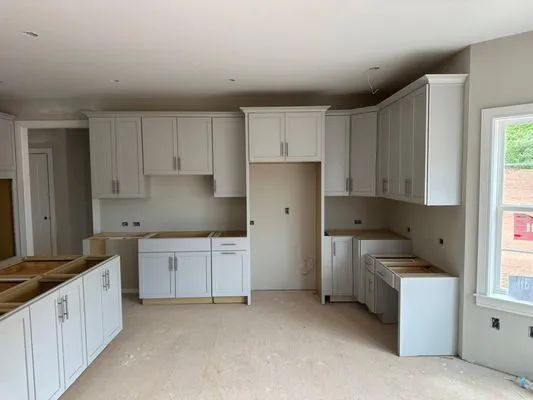
KLL Home Improvements, based in Stroudsburg, PA, is a family-owned contractor founded over a decade ago on a passion for blending design and functionality. Specializing in kitchen and bathroom remodel...
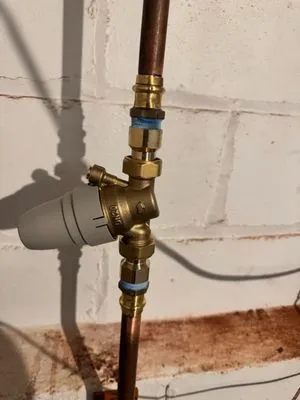
Maldonado Plumbing is a licensed plumbing service based in Newark, NJ, dedicated to providing reliable and affordable solutions for residential and commercial clients. We specialize in plumbing instal...
Estimated Plumbing Costs in Society Hill, NJ
FAQs
What should I do before spring thaw to prevent plumbing problems?
Before temperatures rise above freezing consistently, check all exterior hose bibs for proper drainage. Disconnect hoses and ensure shutoff valves inside your home work smoothly. Insulate pipes in unheated crawl spaces, as 24°F lows can still cause freezing in vulnerable areas. Spring thaw often reveals leaks that developed during winter contraction cycles.
How does the hilly terrain around Society Hill affect my main water line?
The slope around Society Hill Historic District creates constant gravitational stress on main water lines. Pipes gradually shift downhill over decades, stressing joints and connections. Drainage issues can develop where soil erosion exposes buried lines to temperature extremes. We often find the lowest sections of main lines show the most wear from supporting the weight of water column above them.
My copper pipes are from 1984 - what should I expect at this age?
Copper pipes installed around 1984 are now 42 years old. Homeowners in Society Hill Center often notice pinhole leaks appearing in hot water lines first, especially behind walls or under floors. This happens because decades of water flow gradually erodes the interior pipe walls. You might see small damp spots on ceilings or hear dripping sounds before visible water damage occurs.
How quickly can a plumber reach my home in Society Hill?
Heading past Society Hill Historic District on I-95, most service calls take 25-35 minutes from dispatch. Traffic patterns around the Delaware River crossings can add time during peak hours. We plan routes to avoid congestion around Society Hill Center when possible, using local knowledge of back roads that GPS might miss.
Does Delaware River water damage my plumbing fixtures?
Water from the Delaware River contains minerals that create hard water scaling. This buildup reduces water heater efficiency by insulating heating elements, forcing them to work harder. Fixtures develop reduced flow as scale accumulates in aerators and valve seats. Over years, the mineral deposits can corrode rubber washers and degrade cartridge valves in showers and faucets.
As a suburban homeowner, what unique plumbing issues should I watch for?
Suburban homes here connect to municipal systems that maintain consistent pressure, which can stress older plumbing. Tree roots sometimes infiltrate lateral lines seeking moisture, especially during dry periods. Unlike rural properties with wells, you don't control pressure regulators, so sudden pressure surges from municipal maintenance can stress aging pipes and fixtures.
Who handles permits and code compliance for plumbing work in New Jersey?
As a Master Plumber licensed by the New Jersey State Board of Examiners of Master Plumbers, I manage all permits through the New Jersey Department of Community Affairs Division of Codes and Standards. This includes inspections, pressure tests, and documentation required for insurance claims. Homeowners avoid navigating bureaucratic requirements while ensuring work meets current code standards for safety and resale value.
Why do my 1980s copper pipes keep developing pinhole leaks?
Copper pipes from the 1980s often fail due to joint calcification and wall thinning. Water chemistry interacts with the copper over decades, creating microscopic weak spots that eventually perforate. The problem accelerates in hot water lines where thermal expansion stresses the metal. We typically find clusters of leaks rather than isolated failures once pipes reach this age.
