Top Emergency Plumbers in Six Mile Run, NJ, 08873 | Compare & Call

There are 238 plumbing companies server in Six Mile Run NJ

Tri Zone Mechanical is a trusted Stroudsburg-based service provider with deep roots in the community. Starting with car air conditioner recharging and budget-friendly services, we've grown into a comp...
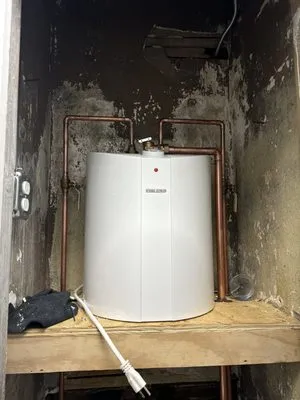
Lamoreaux Plumbing is a trusted local plumbing service dedicated to Bethlehem, PA, and the surrounding communities. We approach every project, from a simple faucet repair to a complete sewer line repl...
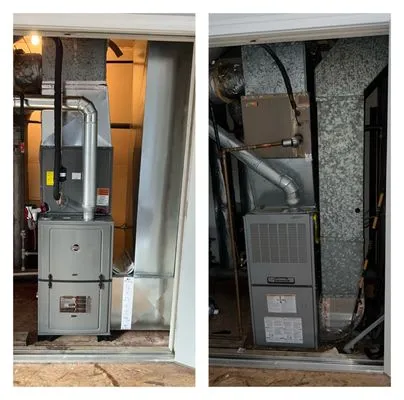
Jackson Mechanical
Jackson Mechanical is a licensed HVAC and plumbing company proudly serving Doylestown, PA, and the surrounding communities. We specialize in the installation, repair, and maintenance of heating, cooli...
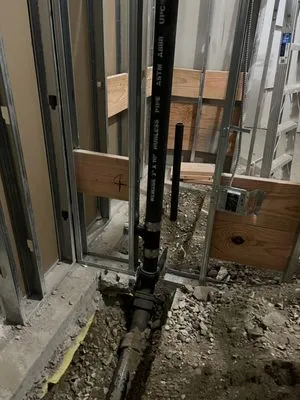
Nuflow Plumbing & Pipe Services
Nuflow Plumbing & Pipe Services is an honest and reliable Philadelphia plumbing company dedicated to quality craftsmanship. We focus on providing a new standard of workmanship—a 'Nuflow'—to the plumbi...
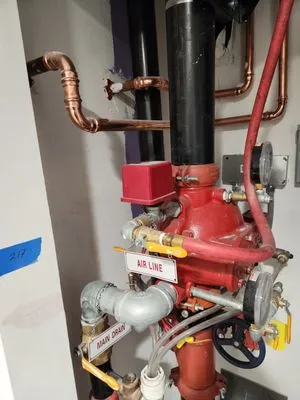
Pee's Plumber and Heating is a trusted, full-service plumbing company serving Newportville, PA, and the surrounding communities. We specialize in addressing the common plumbing challenges faced by loc...
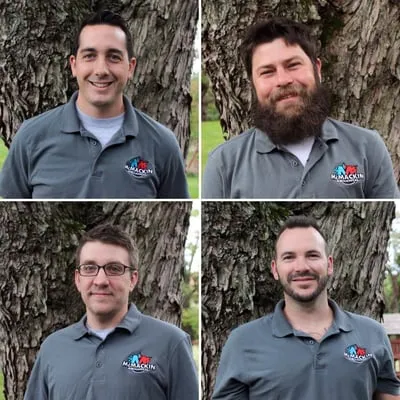
McMackin Mechanical
McMackin Mechanical is a trusted plumbing and HVAC company serving Doylestown, PA, and the surrounding Bucks County area. With over 25 years of combined experience, our dedicated team focuses on provi...
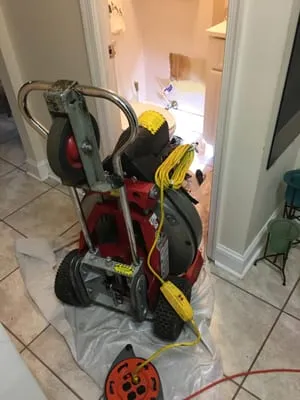
Express Drains is a family-owned plumbing and drain service company based in Warminster, PA, committed to providing honest, efficient service for homes and businesses. We understand the importance of ...
One Worth Service is a Philadelphia-based home service provider specializing in comprehensive residential construction, remodeling, and essential system repairs. Our work spans from bathroom and kitch...
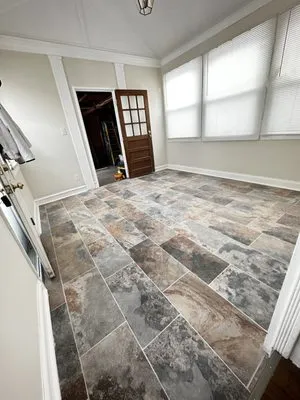
Dymor Construction is a Philadelphia-based general contractor specializing in comprehensive home construction, remodeling, and repair services. From major structural additions like balconies and new r...
Tehillim Maintenance & Repair Services
Tehillim Maintenance & Repair Services is a Philadelphia-based, full-service provider dedicated to keeping homes and industrial facilities running smoothly. We specialize in a comprehensive range of e...
Estimated Plumbing Costs in Six Mile Run, NJ
Questions and Answers
Are there special considerations for rural plumbing in this area?
Rural properties often combine municipal water with private septic systems. Well components require different maintenance than city-connected homes, and septic field placement must account for the hilly terrain. Pressure tanks need regular servicing, and longer service lines from the road mean more potential points for leaks or freezing.
How quickly can a plumber reach my home in Six Mile Run?
Heading past Six Mile Run Reservoir Site on US-27, most service calls take 30-45 minutes from dispatch. The route follows US-27 through the area's main corridors, avoiding backroads that can add time during peak hours. Knowing the local road patterns helps estimate arrival accurately for emergency calls.
How does the hilly terrain around Six Mile Run affect my drainage?
Sloping land near the reservoir site creates drainage challenges for home plumbing systems. Downhill pressure on main sewer lines can cause joint separation over time. Surface water runoff during heavy rain tests exterior drainage systems, and foundation settling on slopes may stress pipe connections. Proper grading around the home foundation helps manage these terrain-related stresses.
Does New Jersey American Water's hard water affect my plumbing?
Hard water from the municipal supply causes scale buildup inside pipes and appliances. Water heaters accumulate mineral deposits that reduce efficiency and shorten lifespan. Fixtures develop reduced flow over time, and showerheads may need regular descaling to maintain pressure. Installing a whole-house water softener can mitigate these effects.
Why do my 1980s copper pipes keep developing leaks?
Copper pipes from the late 1980s often experience joint calcification and pinhole corrosion. Water chemistry interacting with the copper over decades creates weak spots, particularly where pipes connect to fixtures or change direction. The original installation methods from that period didn't always account for today's water pressure variations, accelerating failure at stress points.
My copper pipes were installed around 1987 - what should I expect at this age?
Copper pipes installed in 1987 are now 39 years old. Homeowners in Franklin Park are seeing pinhole leaks develop, especially at joints and elbows where water turbulence accelerates wear. The original solder joints from that era are reaching their lifespan, leading to small drips behind walls or under sinks. Regular inspections of exposed piping in basements and crawlspaces can catch these issues before they cause water damage.
What should I do before spring thaw to prevent plumbing problems?
Before temperatures rise above freezing, check all exterior faucets and irrigation systems for proper drainage. Insulate pipes in unheated crawlspaces where residual cold pockets remain. Monitor basement areas for moisture as ground thaws, since shifting soil can stress main line connections. These preventive steps reduce emergency calls during the thaw period.
Who handles permits and inspections for plumbing work here?
Franklin Township Building Department manages local permits while the New Jersey State Board of Examiners of Master Plumbers oversees licensing. As a licensed master plumber, I coordinate required inspections and paperwork for all installations and repairs. This ensures work meets current code standards without homeowners navigating bureaucratic processes themselves.
