Top Emergency Plumbers in Peapack and Gladstone, NJ, 07931 | Compare & Call

Peapack And Gladstone Emergency Plumbers
Phone : (888) 860-0649
There are 238 plumbing companies server in Peapack And Gladstone NJ
My journey in hands-on repair started young, right in the basement of my childhood home. At age eleven, I found some wire and an outlet on my dad's workbench and decided to install it myself. I manage...
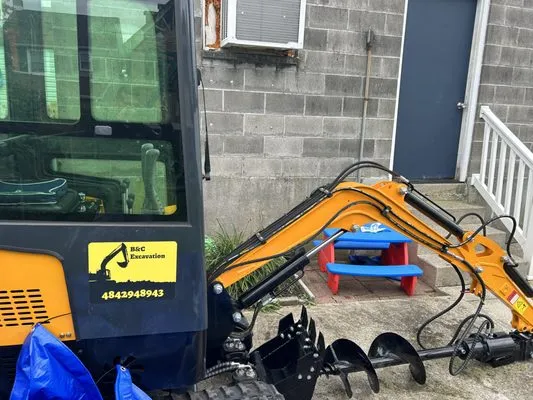
B&C Excavation is a family-owned and operated business proudly serving Allentown and the Lehigh Valley. Our foundation is built on over 20 years of combined experience, including 8 years of service wi...

Tri Zone Mechanical is a trusted Stroudsburg-based service provider with deep roots in the community. Starting with car air conditioner recharging and budget-friendly services, we've grown into a comp...
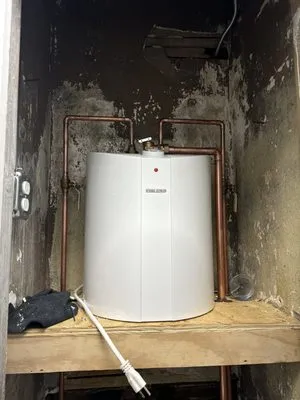
Lamoreaux Plumbing is a trusted local plumbing service dedicated to Bethlehem, PA, and the surrounding communities. We approach every project, from a simple faucet repair to a complete sewer line repl...
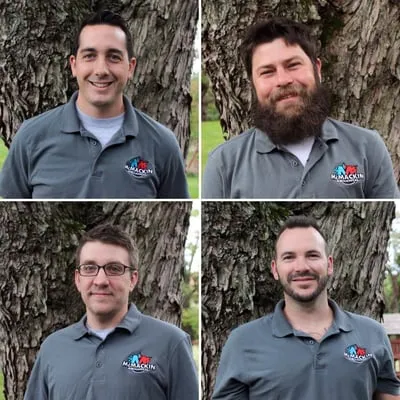
McMackin Mechanical
McMackin Mechanical is a trusted plumbing and HVAC company serving Doylestown, PA, and the surrounding Bucks County area. With over 25 years of combined experience, our dedicated team focuses on provi...
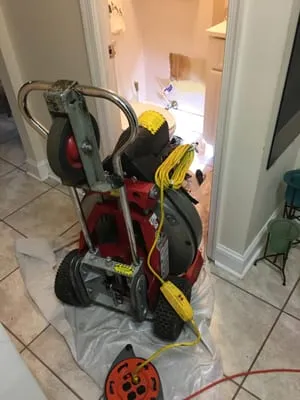
Express Drains is a family-owned plumbing and drain service company based in Warminster, PA, committed to providing honest, efficient service for homes and businesses. We understand the importance of ...
One Worth Service is a Philadelphia-based home service provider specializing in comprehensive residential construction, remodeling, and essential system repairs. Our work spans from bathroom and kitch...
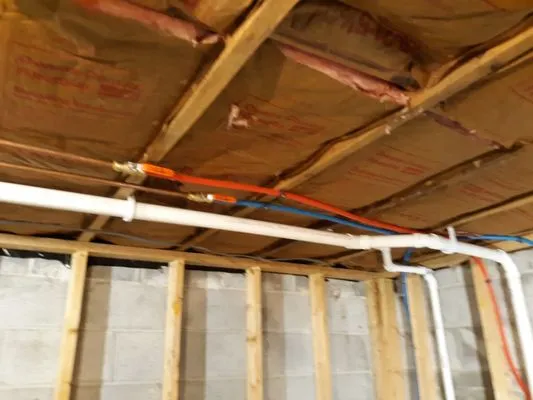
John's Plumbing & Drain Cleaning has been serving Dunmore and surrounding areas since 1980, providing reliable plumbing solutions for over 30 years. Founded by John, a Master Plumber who graduated fro...
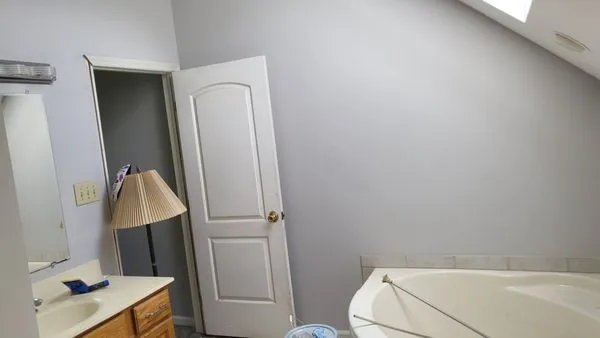
Winship Home Owner Services is a trusted Berwick-based provider of comprehensive home maintenance solutions, specializing in plumbing, carpentry, and lawn care. Serving the local community, we address...
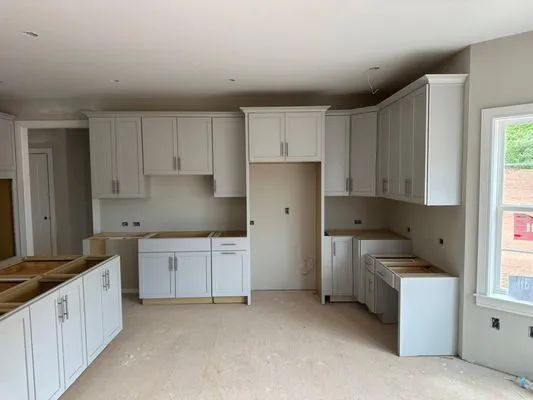
KLL Home Improvements, based in Stroudsburg, PA, is a family-owned contractor founded over a decade ago on a passion for blending design and functionality. Specializing in kitchen and bathroom remodel...
Estimated Plumbing Costs in Peapack and Gladstone, NJ
FAQs
What plumbing problems are common in 1970s copper systems here?
Copper pipes from 1971 often develop pinhole leaks due to internal corrosion and scale buildup. Joint calcification can restrict flow and cause pressure drops. These failures typically occur at elbows and fittings where water turbulence accelerates wear. Replacing affected sections with modern materials like PEX or using dielectric unions can extend the system's life.
How old are the pipes in Peapack and Gladstone homes, and what should I watch for?
Copper plumbing in this area was installed around 1971, making it 55 years old in 2026. At this age, homeowners in Peapack Village often notice pinhole leaks, joint calcification, and reduced water pressure. The copper has endured decades of water chemistry changes and thermal cycling. Regular inspections can catch these issues before they escalate into major repairs.
Are there special plumbing considerations for rural homes in Peapack and Gladstone?
Rural properties often have septic systems and private wells, requiring specific maintenance. Septic tanks need pumping every 3-5 years, and well components should be checked for contamination or pressure issues. Unlike municipal systems, these rely on homeowner vigilance. Regular servicing prevents backups and ensures water quality.
What should I do to prepare my plumbing for spring thaw in this area?
With lows around 20°F and spring thaw peaks, insulate exposed pipes in unheated areas like basements or crawl spaces. Drain outdoor spigots before winter and check for leaks as temperatures rise. A pro-tip: keep cabinet doors open during cold snaps to allow warm air to circulate around pipes. These steps prevent burst pipes and water damage.
Does the hilly terrain around Natirar Park cause plumbing issues?
Hilly slopes can stress main water lines and affect drainage systems. Soil erosion or shifting may put pressure on pipes, leading to leaks or breaks. Proper grading around your home ensures water flows away from the foundation. Installing backflow preventers and regular inspections help manage these terrain-related challenges.
How quickly can a plumber reach my home in Peapack and Gladstone?
Heading past Natirar Park on I-287, our dispatch route covers most of the borough within 45-60 minutes. Traffic patterns and specific locations in the hilly terrain can affect timing. We prioritize emergencies to ensure timely service, but planning ahead for non-urgent work helps avoid delays.
How does hard water from New Jersey American Water affect my plumbing?
Hard water causes mineral scale buildup inside pipes, water heaters, and fixtures. Over time, this reduces efficiency and can lead to premature failure of appliances like water heaters. Installing a whole-house water softener or using descaling treatments helps mitigate these effects. Regular maintenance on affected fixtures prevents costly replacements.
Who handles permits and regulations for plumbing work in Peapack and Gladstone?
As a Master Plumber licensed by the New Jersey State Board of Examiners, I coordinate with the Peapack and Gladstone Building Department for all required permits. This includes inspections and compliance with local codes. I handle the red tape so you don't have to, ensuring your project meets legal standards without hassle.
