Top Emergency Plumbers in Parsippany Troy Hills, NJ, 07005 | Compare & Call

Parsippany Troy Hills Emergency Plumbers
Phone : (888) 860-0649
There are 238 plumbing companies server in Parsippany Troy Hills NJ
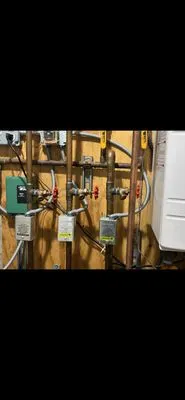
NYC Pipe Work is a family-owned plumbing and heating company serving Stroudsburg, PA, with a legacy that spans over 26 years and three generations. Since our founding in 1997, we've built our reputati...
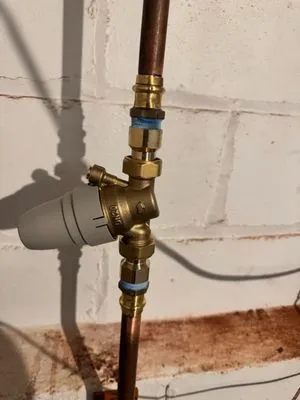
Maldonado Plumbing is a licensed plumbing service based in Newark, NJ, dedicated to providing reliable and affordable solutions for residential and commercial clients. We specialize in plumbing instal...
Magic Drain, owned by Mike, is a licensed plumbing service in Union, NJ, built on a simple but powerful principle: reliable and respectful customer service. Frustrated by the hidden fees, late arrival...

UMGservice
UMGservice is a family-owned HVAC and plumbing business serving Clifton, NJ, and the surrounding Northern New Jersey area. Founded by Nazeeh Khalil, the company is built on a foundation of hard work, ...

Everything Plumbing is your trusted local plumbing expert serving Newark, NJ, and surrounding communities. We specialize in comprehensive plumbing inspections to identify and prevent costly issues bef...
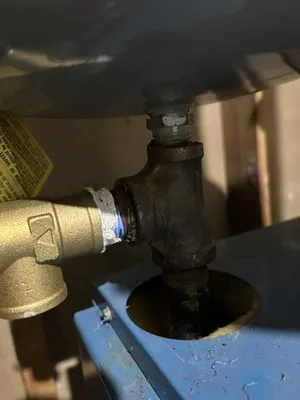
Michaels Plumbing Service is a trusted local plumbing provider serving Roselle, NJ, with over 10 years of hands-on experience in both construction and plumbing. We specialize in a comprehensive range ...

Urgent Drain & Plumbing has been a trusted local resource for Elizabeth homeowners since 2014. We specialize in resolving common issues like stubborn drain clogs and pipe corrosion with efficient meth...
W And B Notary And Handyman Services
W & B Notary & Handyman Services has been serving Newark, NJ, since the early 1990s, offering reliable home maintenance and repair solutions. Founded with a focus on small repairs, electrical work, pl...
Angler Plumbing, Heating & Drain Cleaning
Angler Plumbing, Heating & Drain Cleaning is a locally-owned and operated plumbing service in Saddle Brook, NJ, founded in 2014 by a New Jersey Master Plumber with over 15 years of experience. As a fo...
Recommended Plumbing
Recommended Plumbing is a trusted, locally-owned plumbing and heating contractor proudly serving Jersey City and the surrounding New Jersey area for over three decades. As a licensed and established b...
Estimated Plumbing Costs in Parsippany Troy Hills, NJ
Questions and Answers
What's the most important spring plumbing maintenance for Parsippany?
Prepare for the spring thaw. Our low of 21°F means freeze-thaw cycles are common, which can shift foundation pipes and expose weaknesses. Before the peak thaw, walk your property to check for any exterior hose bib leaks or wet spots in the basement that indicate new seepage. A pro-tip is to ensure your main water shut-off valve operates smoothly now, so you aren't struggling with a stuck valve during a sudden pipe burst.
Could the hilly land around here be causing my drainage problems?
Absolutely. The hilly terrain, like the slopes near Stickley Museum, puts constant gravitational stress on your main sewer line. Over decades, this can cause the pipe to sag or separate at joints, creating a belly that collects waste and leads to repeat clogs. During heavy rain, surface water runoff in these areas can also overload older drainage systems. A video camera inspection of your main line can identify if the slope is causing a specific failure point.
My home was built in the 1970s. Should I be worried about the plumbing?
Your home's copper plumbing is now 55 years old. That is the typical lifespan for copper in our area, especially with the local water conditions. In Lake Hiawatha, homeowners are now seeing the first generation of pinhole leaks and joint failures as the pipe walls thin. This isn't an emergency yet, but it is the age where proactive inspections can identify a single weak section before it becomes multiple weekend disasters.
As a suburban homeowner, what are the common plumbing issues I should watch for?
In a suburban setting like ours, the most frequent issues involve the lateral sewer line connecting your home to the municipal main. Tree roots seek out the water in these pipes, especially at older joints, and can cause major blockages. Also, municipal water pressure can fluctuate, stressing old copper fittings. It is wise to know where your main cleanout is located and to have a pressure regulator checked if you notice inconsistent flow.
Does hard water from the Jersey City reservoirs damage my appliances?
Yes. The water supplied from the Jersey City Reservoir System is very hard, meaning it has a high mineral content. This causes scale to build up inside pipes, water heaters, and fixtures like showerheads. Your water heater's efficiency can drop significantly as its tank and heating elements become insulated by limestone-like deposits. Installing a whole-house water softener is the most effective solution to protect your plumbing hardware and improve appliance lifespan.
Do I need a permit to replace my water heater or re-pipe my house?
Yes. The Parsippany-Troy Hills Building Department requires permits for most major plumbing work to ensure it meets current code. As a Master Plumber licensed by the New Jersey State Board of Examiners, I handle pulling those permits and scheduling the required inspections. This process protects your home's value and safety. My credential means I navigate the red tape so you do not have to, and the work is documented correctly for future buyers.
How fast can a plumber get to my house in an emergency?
A standard dispatch route from our shop heads past Stickley Museum at Craftsman Farms to access I-80, which puts most of Parsippany Troy Hills within a 30 to 45 minute response window. Traffic on 80 is the main variable, so we monitor it and can adjust our route through the township's side streets. We plan for these commutes so we can be at your door with the right parts on the truck.
Why do my copper pipes keep springing pinhole leaks?
Copper pipes installed around 1971 are failing due to a combination of age and local water chemistry. The mineral content in our water accelerates a process called type 2 pitting corrosion, which creates weak spots from the inside out. You will often find these pinhole leaks at fittings or in horizontal runs where sediment and oxygen can settle. Replacing a failing section with modern copper or PEX is a permanent fix, but the entire system should be evaluated once this pattern starts.
