Top Emergency Plumbers in Palmyra, NJ, 08065 | Compare & Call

There are 234 plumbing companies server in Palmyra NJ
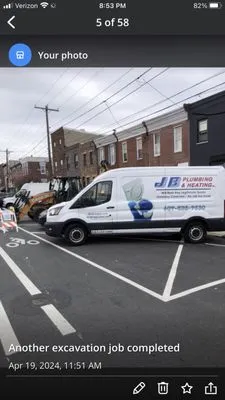
Since 1979, JB Plumbing and Heating has been a family-owned and operated plumbing service in Philadelphia. As the owner for the last 30 years, I ensure we are a licensed, registered, and punctual team...
Philadelphia Plumbing Services, LLC is a locally owned and operated plumbing company established in 2012. Our registered Master Plumber and team provide reliable residential and commercial plumbing se...

My Plumber has been a trusted Philadelphia plumbing service since 1975. We are a licensed, professional team serving the tri-state area with reliable solutions for everything from simple faucet repair...
Plumbing Pals
Plumbing Pals is a family-owned and operated plumbing company serving Philadelphia and the surrounding communities. We specialize in drain cleaning, hydro jetting, and camera scope inspections, provid...
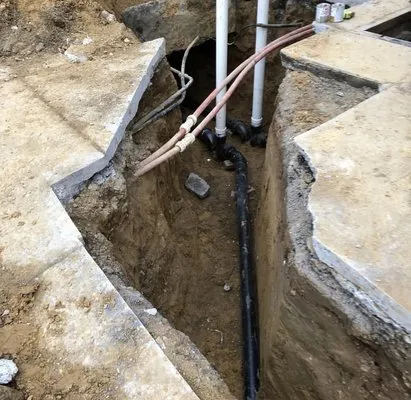
Aqua Plumbing & Heating
Aqua Plumbing & Heating is a family-owned Philadelphia plumbing and HVAC company dedicated to providing reliable service for both homes and businesses. We handle everything from emergency repairs on l...
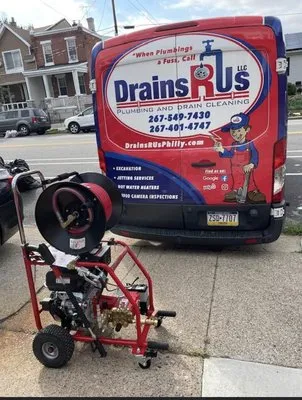
Drains R Us Plumbing and Drain Cleaning
Drains R Us Plumbing and Drain Cleaning is a Philadelphia-based plumbing company founded by two experienced professionals with over a decade of experience at one of the world's largest plumbing compan...
Zip To Zip Plumbing has been serving Philadelphia homeowners since 2008 as a licensed, trusted residential plumbing service. We specialize in a full range of plumbing solutions including installations...
Goodman Plumbing
Goodman Plumbing has been a trusted name in Philadelphia, Bucks, and Montgomery Counties since 1956. As a second-generation, family-owned and operated business, we bring over six decades of local expe...
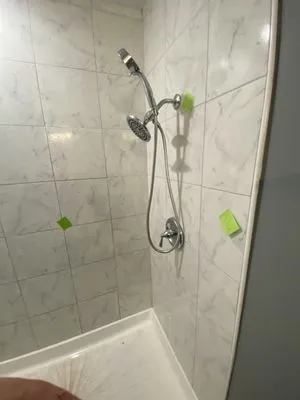
Pinnacle Plumbing
Pinnacle Plumbing is a family-owned and operated business serving Philadelphia with over 25 years of dedicated local experience. We understand that plumbing problems are more than just an inconvenienc...
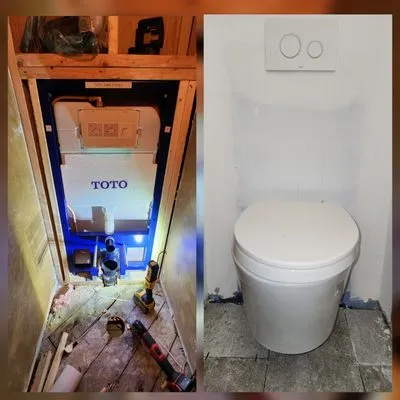
Plumbing N Things is a licensed plumbing service based in Philadelphia, PA, specializing in comprehensive residential plumbing solutions. We handle everything from routine installations and repairs to...
Estimated Plumbing Costs in Palmyra, NJ
Common Questions
Why does my water pressure keep dropping in my 1950s house?
Galvanized steel pipes from 1957 accumulate rust and mineral scale inside the pipe walls. This buildup, called calcification, slowly closes off the diameter of the pipe. You aren't losing pressure at the street; you're losing the internal volume of the pipe itself. A section can appear intact from the outside while being nearly sealed shut inside.
Could the low ground near the river affect my sewer line?
Palmyra's low-lying terrain, similar to the soil around Palmyra Cove Nature Park, means the ground stays damp. This constant moisture can cause clay sewer lines to shift or settle over decades. A sagging section, called a 'belly,' will collect waste and lead to chronic blockages. It also puts static pressure on the main water line connection at the street.
How long do galvanized pipes last in an older Palmyra home?
Galvanized steel installed around 1957 is now 69 years old. This is decades beyond its service life. Homeowners in Harbourtown are currently seeing rust-colored water, a significant drop in water pressure, and recurring pinhole leaks. The steel corrodes from the inside out, and at this age, complete pipe failure is a matter of when, not if.
My drains are slow but my neighbors are fine. What's wrong?
In our suburban setting, you share a municipal sewer main with the street, but the lateral line from your house to that main is your responsibility. If your home is from the 1950s, that lateral is likely clay or Orangeburg pipe. Tree roots seek moisture and can infiltrate the joints, creating a dense mass that catches everything and causes isolated backups just for your home.
How quickly can a plumber get to my house in Palmyra?
From my shop, heading past Palmyra Cove Nature Park on Route 73 gets me into the borough quickly. For an emergency call, I can typically be at your door in 20 to 30 minutes. I keep common parts for 1950s-era systems on the truck to avoid a parts run and start the repair immediately.
Do I need a permit to replace my water heater in Palmyra?
Yes, the Palmyra Borough Construction Office requires a permit for water heater replacement. As a Master Plumber licensed by the New Jersey State Board of Examiners, I pull that permit, schedule the inspection, and ensure the installation meets all current code for pressure relief valves and seismic straps. My credential means I handle the red tape so you don't have to.
What should I do to my pipes before a cold snap in this area?
Our lows around 25°F mean the biggest risk is during a rapid spring thaw after a freeze. A pro-tip for this temperate climate is to locate and know how to operate your main water shut-off valve before winter. If you're leaving town, shut the water off at the main and open a faucet to drain the system. Insulating pipes in unheated crawlspaces is more critical than in the walls here.
Does the Delaware River water cause problems for my plumbing?
The water from the Delaware River is hard, meaning it has high mineral content. Over time, this leads to scale buildup inside appliances and fixtures. Water heaters are especially vulnerable; the scale acts as an insulator on the heating elements, forcing them to work harder and fail sooner. You'll also see reduced flow and white crust on showerheads and faucet aerators.
