Top Emergency Plumbers in National Park, NJ, 08063 | Compare & Call

There are 239 plumbing companies server in National Park NJ
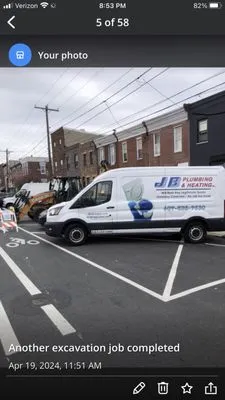
Since 1979, JB Plumbing and Heating has been a family-owned and operated plumbing service in Philadelphia. As the owner for the last 30 years, I ensure we are a licensed, registered, and punctual team...
Philadelphia Plumbing Services, LLC is a locally owned and operated plumbing company established in 2012. Our registered Master Plumber and team provide reliable residential and commercial plumbing se...
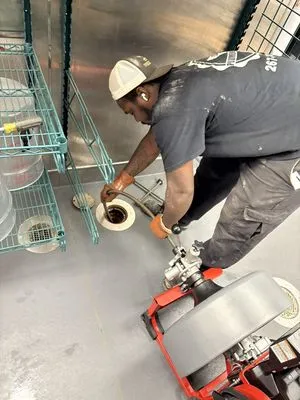
Boss Plumbing & Heating
As a family-owned, licensed, and insured business serving the Greater Philadelphia area, Boss Plumbing & Heating brings a personal touch to every job. Our team arrives at your door ready to listen, tr...

My Plumber has been a trusted Philadelphia plumbing service since 1975. We are a licensed, professional team serving the tri-state area with reliable solutions for everything from simple faucet repair...
Plumbing Pals
Plumbing Pals is a family-owned and operated plumbing company serving Philadelphia and the surrounding communities. We specialize in drain cleaning, hydro jetting, and camera scope inspections, provid...
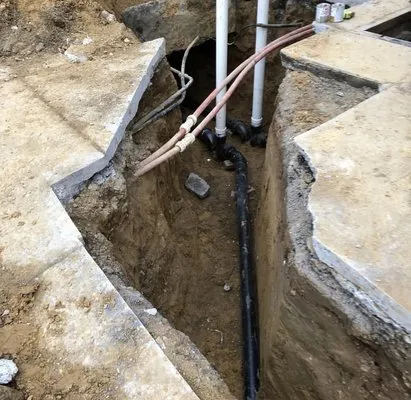
Aqua Plumbing & Heating
Aqua Plumbing & Heating is a family-owned Philadelphia plumbing and HVAC company dedicated to providing reliable service for both homes and businesses. We handle everything from emergency repairs on l...
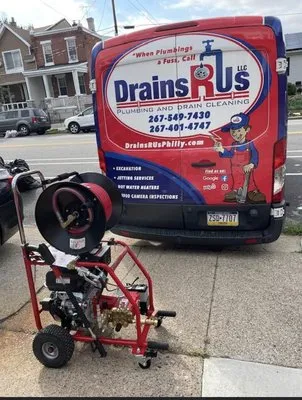
Drains R Us Plumbing and Drain Cleaning
Drains R Us Plumbing and Drain Cleaning is a Philadelphia-based plumbing company founded by two experienced professionals with over a decade of experience at one of the world's largest plumbing compan...
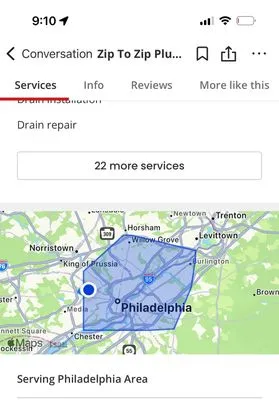
Zip To Zip Plumbing has been serving Philadelphia homeowners since 2008 as a licensed, trusted residential plumbing service. We specialize in a full range of plumbing solutions including installations...
Vaughan Plumbing is a trusted local plumbing service in Philadelphia, PA, dedicated to providing reliable solutions for residential plumbing needs. We specialize in a comprehensive range of services i...
For over 40 years, Master Jay has been the trusted plumbing expert for Philadelphia homeowners. His extensive career spans everything from single-family homes to large-scale, 300-unit developments, gi...
Estimated Plumbing Costs in National Park, NJ
Common Questions
What permits do I need for a plumbing repair in National Park?
The National Park Borough Construction Office requires permits for most plumbing work beyond basic repairs. As a Master Plumber licensed by the New Jersey State Board of Examiners, I handle the red tape so you don't have to. This includes submitting plans, scheduling inspections, and ensuring code compliance. Proper permitting protects your investment and maintains borough standards.
Why does my basement drain slowly after heavy rain?
Low-lying terrain around Red Bank Battlefield Park affects drainage throughout National Park. Water naturally flows toward the Delaware River, putting hydrostatic pressure on foundation walls and basement drains. This constant moisture stresses main sewer lines, causing settlement and joint separation over time. Proper grading and drainage systems help manage this environmental reality.
What causes those small leaks in my old pipes?
Galvanized steel pipes from the 1950s develop pinhole leaks when corrosion eats through the pipe wall. Joint calcification also occurs as minerals build up at connections, creating stress points that crack. These failures typically start in horizontal runs and at elbows where water sits. The 72-year-old steel has lost its structural integrity throughout the system.
How quickly can a plumber reach my house in National Park?
Heading past Red Bank Battlefield Park on I-295 provides direct access to most National Park neighborhoods. From our shop, that route typically takes 20-30 minutes depending on traffic patterns. We monitor local conditions and can adjust routes if needed. This reliable access means we can respond promptly to emergencies throughout the borough.
As a suburban homeowner, what plumbing issues should I expect?
Municipal water pressure here typically ranges 40-60 PSI, which is manageable for most homes. However, tree roots frequently invade sewer laterals seeking moisture, causing blockages in older lines. Unlike rural properties with wells and septic systems, you'll deal with public water quality issues and shared sewer mains. Regular lateral inspections prevent most suburban plumbing surprises.
Does Delaware River water damage my plumbing fixtures?
Hard water from the Delaware River deposits scale inside pipes and appliances. Water heaters accumulate mineral buildup on heating elements, reducing efficiency by 30-40% over time. Fixtures develop restricted flow as aerators clog with calcium deposits. This scaling also accelerates corrosion in older galvanized pipes by creating rough interior surfaces.
Why are my pipes suddenly failing in my National Park home?
Galvanized steel pipes installed around 1954 are now 72 years old. Homeowners on Red Bank Avenue are seeing rust-colored water, reduced pressure, and frequent leaks as the interior zinc coating has completely worn away. The steel corrodes from the inside out, creating rough surfaces that trap minerals and accelerate deterioration. This predictable failure pattern means entire plumbing systems often need replacement around this age.
Should I worry about frozen pipes in National Park's winter?
Temperatures here rarely drop below 26°F, but spring thaw creates its own risks. A pro-tip: insulate pipes in unheated crawl spaces before winter, then check for leaks as temperatures rise in March. Thawing ground can shift foundation pipes, while increased water pressure from melting snow tests old fittings. This preventive approach avoids most cold-weather emergencies.
