Top Emergency Plumbers in Mount Arlington, NJ, 07850 | Compare & Call

There are 237 plumbing companies server in Mount Arlington NJ
My journey in hands-on repair started young, right in the basement of my childhood home. At age eleven, I found some wire and an outlet on my dad's workbench and decided to install it myself. I manage...
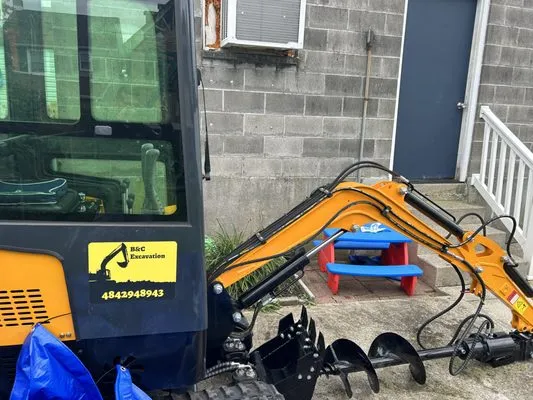
B&C Excavation is a family-owned and operated business proudly serving Allentown and the Lehigh Valley. Our foundation is built on over 20 years of combined experience, including 8 years of service wi...

Tri Zone Mechanical is a trusted Stroudsburg-based service provider with deep roots in the community. Starting with car air conditioner recharging and budget-friendly services, we've grown into a comp...
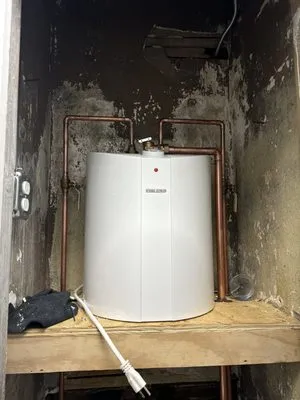
Lamoreaux Plumbing is a trusted local plumbing service dedicated to Bethlehem, PA, and the surrounding communities. We approach every project, from a simple faucet repair to a complete sewer line repl...
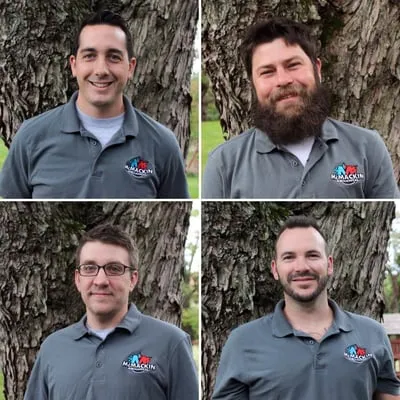
McMackin Mechanical
McMackin Mechanical is a trusted plumbing and HVAC company serving Doylestown, PA, and the surrounding Bucks County area. With over 25 years of combined experience, our dedicated team focuses on provi...
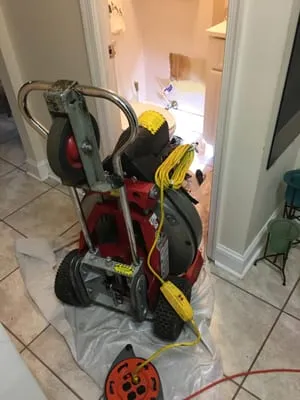
Express Drains is a family-owned plumbing and drain service company based in Warminster, PA, committed to providing honest, efficient service for homes and businesses. We understand the importance of ...
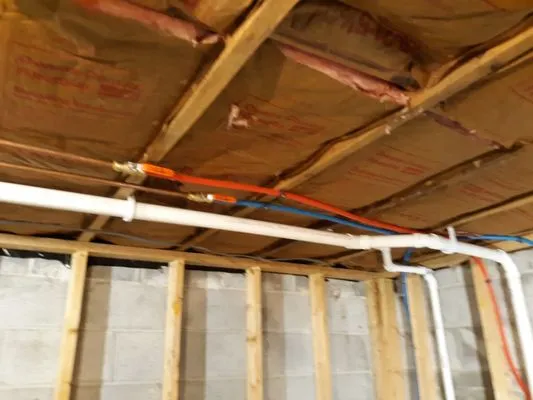
John's Plumbing & Drain Cleaning has been serving Dunmore and surrounding areas since 1980, providing reliable plumbing solutions for over 30 years. Founded by John, a Master Plumber who graduated fro...
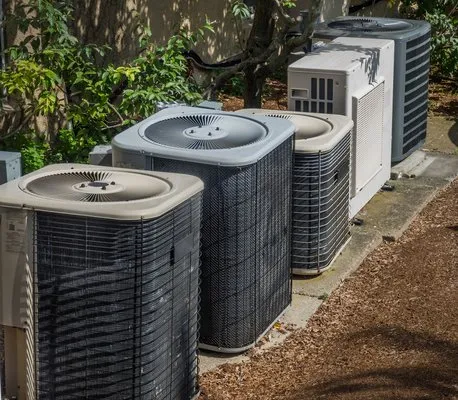
S.J. O’Hara
S.J. O'Hara Inc. is a family-owned and operated mechanical contractor based in Tannersville, PA, serving the Poconos, Lehigh Valley, and surrounding areas since 1994. With over 25 years of experience,...
Winship Home Owner Services is a trusted Berwick-based provider of comprehensive home maintenance solutions, specializing in plumbing, carpentry, and lawn care. Serving the local community, we address...
NYC Pipe Work is a family-owned plumbing and heating company serving Stroudsburg, PA, with a legacy that spans over 26 years and three generations. Since our founding in 1997, we've built our reputati...
Estimated Plumbing Costs in Mount Arlington, NJ
Q&A
Do I need a permit to replace my water heater in Mount Arlington?
Yes, the Mount Arlington Construction Department requires permits for water heater replacements to ensure proper venting and pressure relief. As a New Jersey State Board of Examiners Master Plumber, I handle pulling that permit and scheduling the inspection. This process guarantees the installation meets code, which is crucial for your safety and home insurance. I manage the red tape so you don't have to.
How quickly can a plumber get to Mount Arlington in an emergency?
Heading past Lake Hopatcong on I-80, I can typically reach most homes in Mount Arlington within 30 to 45 minutes. That route provides direct access to both Mount Arlington Heights and the borough proper. Knowing the local roads means I avoid unnecessary delays once I exit the highway. Response time is a priority, especially for leaks that threaten property.
My house is on a hill near the lake. Could that cause plumbing problems?
Hilly terrain around Lake Hopatcong puts significant static pressure on the main water line running up from the street. This constant stress can lead to premature wear on valves and pipe connections. It also complicates drainage, as sewer laterals must maintain a precise slope; too steep or too flat, and solids won't clear properly, leading to backups.
Why are my copper pipes suddenly leaking?
Copper installed in 1985 is susceptible to pinhole leaks caused by internal corrosion and scale buildup from our hard water. Over four decades, the protective inner lining of the pipe wears thin. You might also find solder joints failing due to calcification or thermal stress. It's a predictable failure mode for this vintage of plumbing in our community.
Does Lake Hopatcong's water damage my water heater?
The same mineral-rich water from the lake aquifer contributes to hard water throughout our homes. Inside your water heater, these minerals form scale on the heating element and tank bottom, reducing efficiency and lifespan. Anode rods deplete faster fighting this corrosion. Installing a water softener is the most effective way to protect all your appliances, not just the heater.
My Mount Arlington Heights home was built in the 80s. Should I be worried about my plumbing?
Your copper pipes are now over 40 years old, which is the typical lifespan for that material in our area. It's common for homeowners around here to start seeing pinhole leaks or green corrosion spots at joints. The pipes have endured decades of our hard water, and this is the age where failures begin to accelerate. Planning for a repipe or major repairs now can prevent more disruptive emergencies later.
As a suburban homeowner, what should I know about my main sewer line?
In Mount Arlington's suburban setting, your lateral sewer line runs from your house to the municipal main under the street. Tree roots seeking moisture are the most common cause of blockages and breaks in these laterals. It's wise to have the line camera-inspected if you experience slow drains or before purchasing a home. Municipal water pressure is generally consistent, but aging gate valves on the street side can fail.
What's the best thing to do for my pipes before winter in Mount Arlington?
Our winter lows near 18°F make pipe insulation on exterior walls and in crawlspaces essential. My pro-tip for this temperate climate is to disconnect and drain outdoor hoses before the first freeze, and know the location of your main shutoff valve. Pay extra attention during the spring thaw, as frozen pipes often reveal their leaks only after they've thawed and water starts flowing again.
