Top Emergency Plumbers in Logan, NJ, 08014 | Compare & Call

There are 239 plumbing companies server in Logan NJ
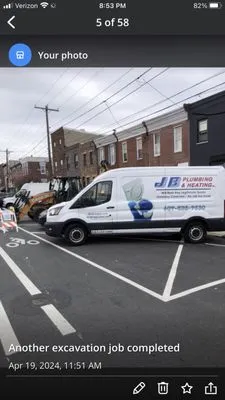
Since 1979, JB Plumbing and Heating has been a family-owned and operated plumbing service in Philadelphia. As the owner for the last 30 years, I ensure we are a licensed, registered, and punctual team...
Philadelphia Plumbing Services, LLC is a locally owned and operated plumbing company established in 2012. Our registered Master Plumber and team provide reliable residential and commercial plumbing se...
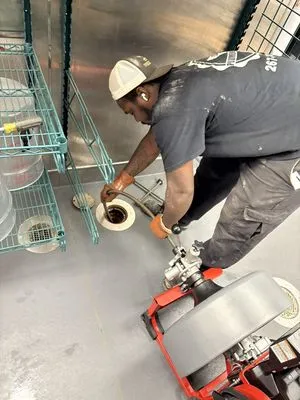
Boss Plumbing & Heating
As a family-owned, licensed, and insured business serving the Greater Philadelphia area, Boss Plumbing & Heating brings a personal touch to every job. Our team arrives at your door ready to listen, tr...

My Plumber has been a trusted Philadelphia plumbing service since 1975. We are a licensed, professional team serving the tri-state area with reliable solutions for everything from simple faucet repair...
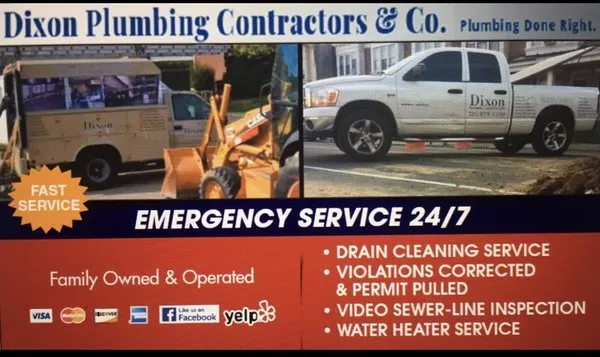
For over 25 years, Dixon Plumbing Contractors has been a trusted local plumber serving Philadelphia, Delaware County, and Montgomery County. As a Registered Master Plumber based in Philadelphia, owner...
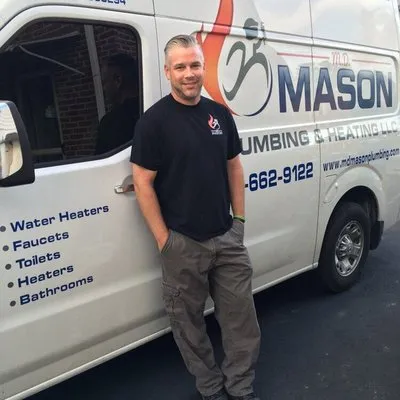
M D Mason Plumbing & Heating
M D Mason Plumbing & Heating is a trusted local business owned and operated by Master Plumber Michael Mason, who has over 15 years of experience serving Delaware County and the Main Line. Michael resi...
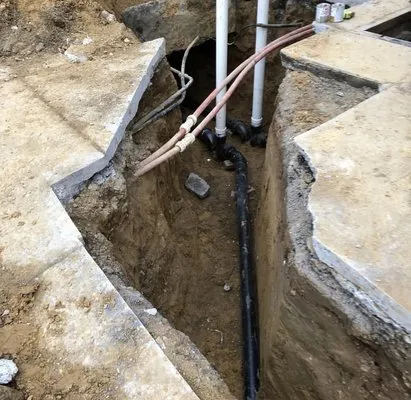
Aqua Plumbing & Heating
Aqua Plumbing & Heating is a family-owned Philadelphia plumbing and HVAC company dedicated to providing reliable service for both homes and businesses. We handle everything from emergency repairs on l...
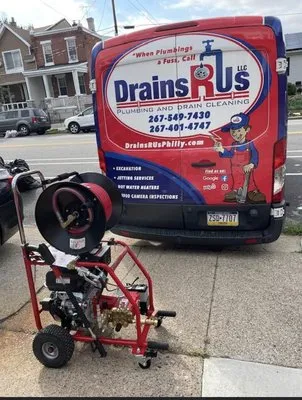
Drains R Us Plumbing and Drain Cleaning
Drains R Us Plumbing and Drain Cleaning is a Philadelphia-based plumbing company founded by two experienced professionals with over a decade of experience at one of the world's largest plumbing compan...
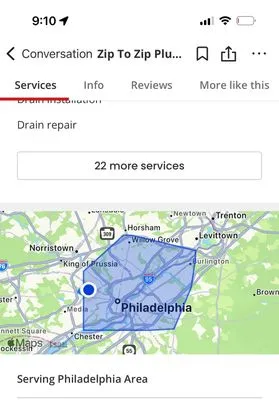
Zip To Zip Plumbing has been serving Philadelphia homeowners since 2008 as a licensed, trusted residential plumbing service. We specialize in a full range of plumbing solutions including installations...
Vinko Plumbing is a licensed, Philadelphia-based plumbing service dedicated to keeping your home's water flowing reliably. Since 2016, our team has provided trustworthy installations and repairs for a...
Estimated Plumbing Costs in Logan, NJ
Frequently Asked Questions
Why do my 1980s copper pipes keep springing pinhole leaks?
Copper installed in 1986 has spent four decades in contact with our hard, mineral-rich water. A specific failure mode for this age is pinhole leaks caused by a form of localized corrosion called Type I pitting. It often starts on the hot water side where higher temperatures accelerate the reaction. We also find solder joints from that era beginning to calcify and lose their seal.
How quickly can a plumber get to Logan if there's a major leak?
From my shop, the dispatch route heads past Raccoon Creek State Park to access I-295, which provides a direct run into Logan and Beckett. Barring major traffic, that 20 to 30 minute estimate is reliable for emergency calls. Knowing the back routes off County Road 540 is also key for reaching specific developments without delay.
Could the flat land near Raccoon Creek be causing my slow drains?
Low-lying terrain affects drainage in two ways. First, the lack of slope can reduce the natural scouring action in your main sewer line, allowing grease and debris to build up. Second, the high water table common in these areas can put external hydrostatic pressure on older pipe joints, leading to infiltration or even a collapse over time.
Do I need a permit to replace my water heater in Logan Township?
Yes, Logan Township Construction Office requires a permit for water heater replacement. As a Master Plumber licensed by the New Jersey State Board of Examiners, I pull that permit, schedule the inspection, and ensure the installation meets all current code for pressure relief valves and seismic straps. I handle the red tape so you don't have to.
My house in Beckett was built around 1986. What should I watch for with my plumbing now?
Your copper pipes are now 40 years old. At this age, the interior wall thickness can be compromised by decades of water flow and mineral interaction. Homeowners in the neighborhood often start seeing pinhole leaks, particularly in hot water lines or at soldered joints that have experienced thermal stress. This isn't a sign of poor original work; it's the expected service life for copper in our water conditions.
What's the most important thing to do before a freeze here, since it doesn't get that cold?
Our winter lows around 24°F are just cold enough for a hard freeze, especially during a still night. The pro-tip for our temperate climate is to disconnect, drain, and store outdoor hoses. An overlooked hose bib can freeze and crack the pipe inside the wall, causing a major leak. It's a simple, five-minute task that prevents the most common freeze call we get.
As a suburban homeowner, what's my responsibility for the sewer line?
Your responsibility typically starts at the cleanout, usually found near the foundation, and extends all the way to the municipal connection at the street. In Logan's suburban setting, the lateral line crossing your yard is yours. Tree roots seeking moisture are a frequent issue, and they can infiltrate even small cracks in older clay or PVC pipe, causing blockages.
Does hard water from the Delaware River really damage my appliances?
Yes, the scale from our hard water acts as an insulator. Inside a water heater, scale buildup on the elements or gas burner forces the unit to work harder, shortening its lifespan and raising energy bills. For fixtures, scale restricts flow and can jam cartridge valves. You'll notice it as reduced pressure or a need for more force to operate a handle.
