Top Emergency Plumbers in Lincroft, NJ, 07738 | Compare & Call

There are 237 plumbing companies server in Lincroft NJ

Tri Zone Mechanical is a trusted Stroudsburg-based service provider with deep roots in the community. Starting with car air conditioner recharging and budget-friendly services, we've grown into a comp...
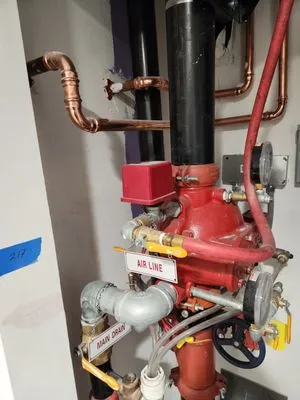
Pee's Plumber and Heating is a trusted, full-service plumbing company serving Newportville, PA, and the surrounding communities. We specialize in addressing the common plumbing challenges faced by loc...
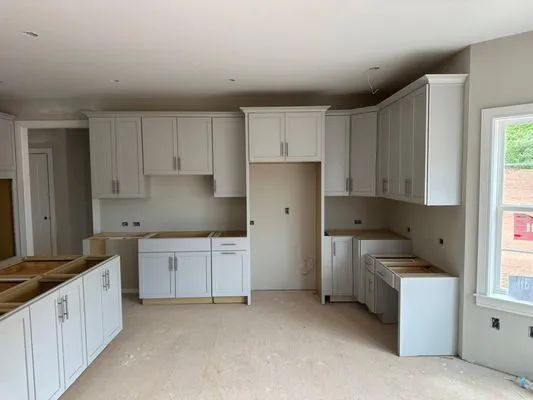
KLL Home Improvements, based in Stroudsburg, PA, is a family-owned contractor founded over a decade ago on a passion for blending design and functionality. Specializing in kitchen and bathroom remodel...
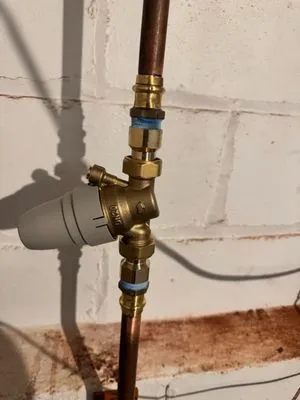
Maldonado Plumbing is a licensed plumbing service based in Newark, NJ, dedicated to providing reliable and affordable solutions for residential and commercial clients. We specialize in plumbing instal...
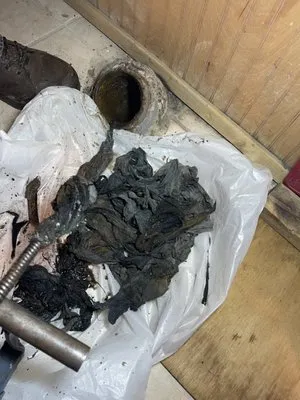
A Budget Sewer & Drain Cleaning was founded in East Orange, NJ, from a simple but powerful idea: to provide honest, high-quality plumbing services at a fair price. We saw too many neighbors being over...
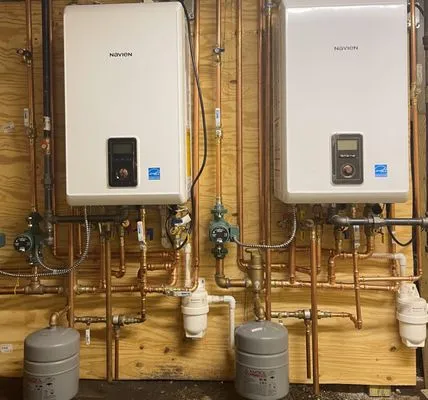
M&A Plumbing and Heating
For over a decade, M&A Plumbing and Heating has been a trusted name in Jersey City, built on a foundation of honesty, care, and reliability. Driven by owner Danny's commitment to customer satisfaction...
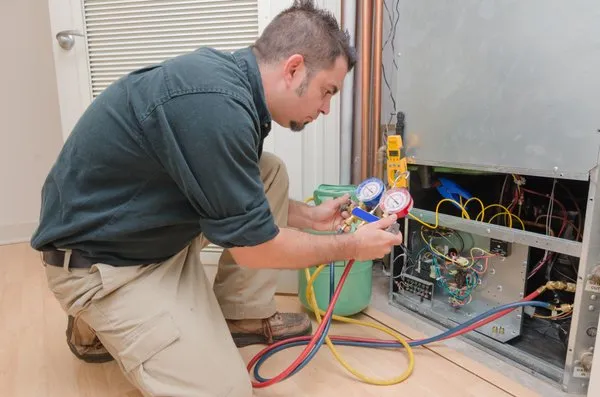
Service Tech Plumbing Heating &Cooling
Service Tech Plumbing Heating & Cooling is a trusted, locally-owned company serving Sayreville and surrounding areas. Founded in 2014 by master licensed plumber and HVAC technician Denis Cekic, our te...
Mr. Rogers Carpentry & Handyman Services
Mr. Rogers Carpentry & Handyman Services is a family-owned business serving Elizabeth, NJ, with over 20 years of experience in general building maintenance. We specialize in providing effective soluti...
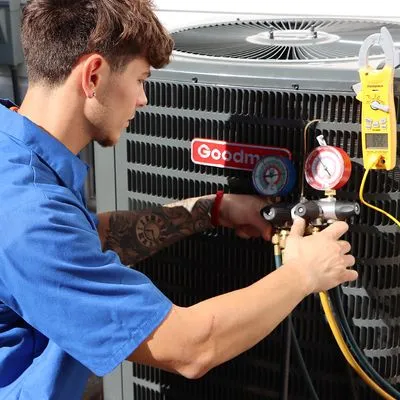
Binsky Home Service
Binsky Home Service is a family-owned home service provider serving Somerset, NJ, and surrounding communities with over 85 years of combined experience. Founded and operated by fourth-generation owner...
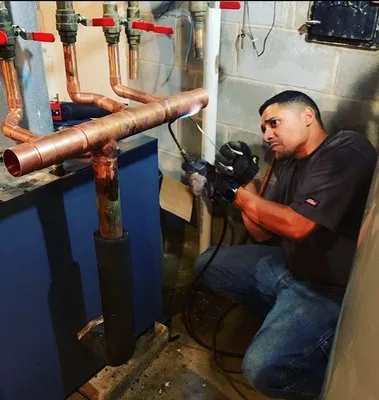
Quality Pro Services is a licensed plumbing and heating provider serving Middlesex, NJ, and Somerset County with 18 years of industry expertise. As a third-generation plumbing expert, we specialize in...
Estimated Plumbing Costs in Lincroft, NJ
Common Questions
How quickly can a plumber get to my house in Lincroft?
A typical dispatch route from my shop heads past Thompson Park to access the Garden State Parkway. From there, it's a direct shot into the local neighborhoods. This routing allows for a consistent 20 to 30 minute response for most calls in the area, barring major Parkway backups.
As a suburban homeowner, what's my biggest plumbing risk?
In a developed area like this, tree roots seeking water are the primary threat to your underground sewer lateral. They infiltrate small cracks at pipe joints, eventually causing a complete blockage. Municipal water pressure is generally stable, but a sudden, unexplained drop could indicate a breach in your main service line.
Do I need a permit to replace my water heater in Middletown Township?
Yes, Middletown Township Building Department requires permits for water heater replacements. As a Master Plumber licensed by the New Jersey State Board of Examiners, I pull all necessary permits and schedule the required inspections. My crew handles that red tape so your installation is fully compliant and documented.
Does Lincroft's water from the Swimming River Reservoir damage appliances?
Yes, the water is hard, meaning it has a high mineral content. This causes scale buildup inside water heaters, reducing efficiency and lifespan, and it can restrict flow in faucet cartridges and shower valves. Installing a water softener is the most effective long-term solution to protect your hardware.
Could the lay of the land near Thompson Park affect my main sewer line?
The low-lying, often damp terrain in areas around the park can stress a main sewer line. Constant soil moisture and shifting ground put extra pressure on pipe joints. This environment makes older clay or cast iron lines more prone to root intrusion and joint failure, leading to slow drains or backups.
My home in Lincroft was built in the 70s. What should I know about my plumbing now?
Homes built around 1974 have copper pipes that are now over 50 years old. You might notice blue-green stains on fixtures or small, persistent leaks, especially at joints. This is the age where the original wall thickness of the copper begins to fail from decades of water flow. In Lincroft Village, we're commonly replacing entire sections of these original lines.
Why do my copper pipes keep springing pinhole leaks?
Copper installed in 1974 is susceptible to pinhole leaks due to a combination of age and water chemistry. The internal pipe wall erodes thin in spots, creating a weak point that eventually fails. This is accelerated by the mineral content in our local water and is a very common repair for homes of this vintage.
What's the most important spring plumbing tip for Lincroft?
Before the spring thaw peaks, disconnect your garden hoses and ensure your exterior hose bibs are fully drained. A hose left connected traps water in the pipe; when overnight temps still hit 24°F, that water can freeze, expand, and crack the pipe inside your wall, leading to a major leak when it thaws.
