Top Emergency Plumbers in Liberty, NJ, 07823 | Compare & Call

There are 238 plumbing companies server in Liberty NJ
NPM Plumbing is a family-owned plumbing business serving Lehighton, PA, and surrounding Carbon County areas with over 27 years of experience. We handle everything from routine maintenance and repairs ...

Elek Plumbing has been serving Allentown and the Lehigh Valley since 1913, when Hungarian immigrant William Elek Senior founded the business in Bethlehem. Now in its third generation of family ownersh...
Edwin Stipe
Since 1894, Edwin Stipe has been the trusted name for plumbing and HVAC in Easton, PA, and the Lehigh Valley. Operating with the same mission for over a century, we believe in employing skilled techni...
My journey in hands-on repair started young, right in the basement of my childhood home. At age eleven, I found some wire and an outlet on my dad's workbench and decided to install it myself. I manage...
EMJ Plumbing is a trusted, family-owned and operated plumbing service that has been a reliable fixture in Hokendauqua and the greater Lehigh Valley for over 15 years. Our experienced team specializes ...
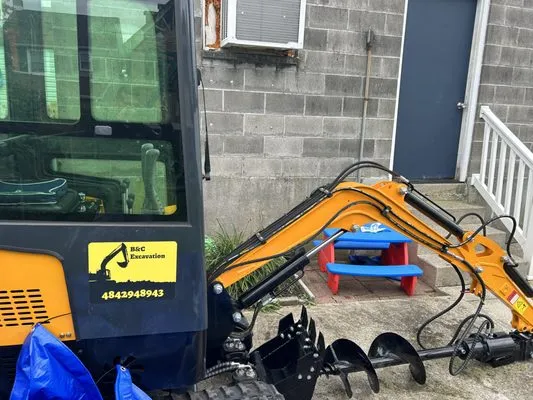
B&C Excavation is a family-owned and operated business proudly serving Allentown and the Lehigh Valley. Our foundation is built on over 20 years of combined experience, including 8 years of service wi...
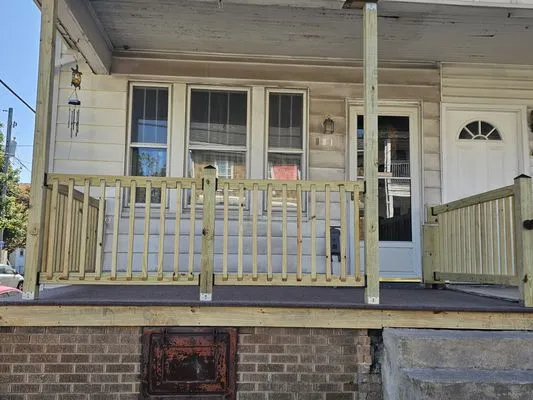
Lynn's Handyman Services is a trusted local provider in Tamaqua, PA, offering comprehensive home repair and maintenance solutions. With expertise spanning appliance installation and repair, plumbing, ...
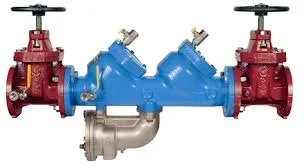
WaterBoyz Backflow Testing and Repairs LLC is a trusted local plumbing service in Allentown, PA, specializing in backflow assembly testing, maintenance, and repairs. Our expert technicians ensure your...
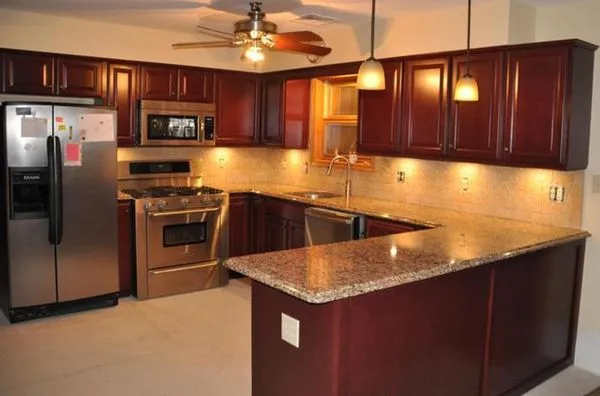
Agosto Plumbing & Remodeling
For over 20 years, Agosto Plumbing & Remodeling has been the trusted local choice for Lehighton residents and surrounding counties. We specialize in comprehensive residential plumbing and remodeling, ...

Tri Zone Mechanical is a trusted Stroudsburg-based service provider with deep roots in the community. Starting with car air conditioner recharging and budget-friendly services, we've grown into a comp...
Estimated Plumbing Costs in Liberty, NJ
FAQs
Does having a private well mean I'll have more plumbing issues?
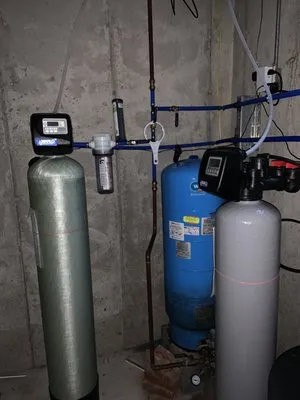
Private wells common in Liberty provide untreated water directly to your home. The mineral content, which causes hard water and scaling, will aggressively shorten the lifespan of appliances. Water heater elements become coated, reducing efficiency, and fixture cartridges in showers and faucets wear out faster. Installing and maintaining a whole-house water softener or conditioner is not a luxury here; it's a necessary defense for your plumbing infrastructure.
Our house was built in the 1990s, are the pipes okay?
Copper pipes installed around 1990 are now 36 years old. In Liberty and around Mountain Lake, many homes are now seeing the first signs of systemic aging. You might notice pinhole leaks in the hot water lines, especially near joints or in areas with significant water movement. This is a predictable failure point for copper of this vintage due to decades of water chemistry interacting with the pipe walls.
What permits do I need for a water heater replacement in Liberty Township?
Liberty Township Construction Department requires permits for water heater replacements, as does the state of New Jersey for any work on potable water systems. As a Master Plumber licensed by the New Jersey State Board of Examiners, I handle filing the paperwork, scheduling inspections, and ensuring the installation meets all current code. This manages the red tape for you and guarantees the work is documented and legal, which is crucial for insurance and resale.
What's the most common plumbing problem in a 1990 Liberty home?
For 1990s copper systems, joint calcification and pinhole leaks are the primary failures. Hard water accelerates scale buildup inside the pipes, which over decades can create a corrosive environment. The pinholes often appear first on horizontal hot water runs or at solder joints that have become brittle. Replacing entire sections with modern PEX or new copper is often more cost-effective than repeated spot repairs.
What's the most important seasonal plumbing tip for this area?
While our 18-degree lows require standard winterization, the spring thaw is the real peak for emergencies. As the ground saturates, it can shift foundations and put new stress on underground main lines and septic systems. A pro-tip is to have your main water shut-off valve inspected and exercised every fall, and to check for new drips or moisture in your basement or crawlspace immediately after the ground fully thaws in late March or April.
Could the hilly land around here cause plumbing problems?
The hilly terrain, similar to the slopes around Jenny Jump State Forest, directly impacts drainage and pipe stress. A home's main water line running uphill from the well or street can experience increased pressure and wear. More critically, drainage systems must be graded precisely; improper slope on a sewer lateral or septic field line in this terrain is a common cause of backups. Soil erosion on slopes can also expose and damage buried pipes.
Is rural plumbing in Liberty different from plumbing in a town?
Yes, rural plumbing here revolves around the private well and septic system, a closed loop you are entirely responsible for. There's no municipal water pressure to mask a failing well pump, and no city sewer to handle a clog. Issues like septic field failure, well pump burnout, or pressure tank problems are unique to this setting. Maintenance focuses on this entire system, not just the pipes inside your home's walls.
How long does it take for a plumber to get to Liberty?
From our shop, the dispatch route heads past Jenny Jump State Forest onto US-46. This path is usually clear, barring winter weather or summer weekend traffic. A typical response window for an emergency call in the township is 45 to 60 minutes. We factor in the winding local roads off the highway to provide an accurate ETA.
