Top Emergency Plumbers in Hope Township, NJ, 07844 | Compare & Call

There are 236 plumbing companies server in Hope Township NJ

Benjamin Franklin Plumbing
Benjamin Franklin Plumbing in Bethlehem, PA, provides reliable plumbing services for local homeowners. When plumbing emergencies strike, our team is available 24/7 to address urgent issues like burst ...
Agentis Plumbing
Agentis Plumbing is a third-generation, family-owned plumbing company that has been serving the Lehigh Valley, including Bethlehem, since 1954. We are your local Peace of Mind Plumber, committed to bu...
Zoom Drain in Fogelsville is built on a deep family legacy in plumbing, started by our grandfather in 1948. Twenty years ago, we launched Zoom with our dad and brother from a spare bedroom, riding tog...
NPM Plumbing is a family-owned plumbing business serving Lehighton, PA, and surrounding Carbon County areas with over 27 years of experience. We handle everything from routine maintenance and repairs ...

Schuler Service
Schuler Service is a family-owned plumbing and remodeling company that has been a trusted part of the Allentown community since 1923. Founded as a small shop with a push-cart, the business, now owned ...

Elek Plumbing has been serving Allentown and the Lehigh Valley since 1913, when Hungarian immigrant William Elek Senior founded the business in Bethlehem. Now in its third generation of family ownersh...
Andreas Plumbing, Heating & Air Conditioning
Andreas Plumbing, Heating & Air Conditioning is a family-run, four-generation business proudly serving Lehighton and the surrounding Carbon County area. Founded on a deep commitment to the community, ...
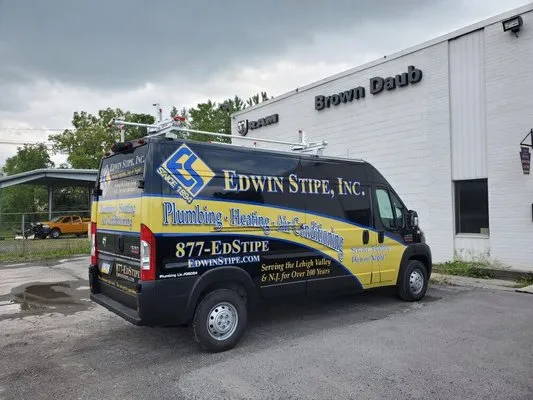
Edwin Stipe
Since 1894, Edwin Stipe has been the trusted name for plumbing and HVAC in Easton, PA, and the Lehigh Valley. Operating with the same mission for over a century, we believe in employing skilled techni...
My journey in hands-on repair started young, right in the basement of my childhood home. At age eleven, I found some wire and an outlet on my dad's workbench and decided to install it myself. I manage...
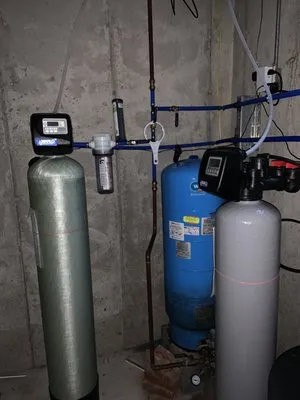
EMJ Plumbing is a trusted, family-owned and operated plumbing service that has been a reliable fixture in Hokendauqua and the greater Lehigh Valley for over 15 years. Our experienced team specializes ...
Estimated Plumbing Costs in Hope Township, NJ
Q&A
What's one thing I should do before spring to prevent plumbing problems?
Before the spring thaw hits its peak, disconnect and drain any garden hoses. A hose left connected traps water in the outdoor faucet and the pipe just inside the wall. When overnight temps still dip near 19 degrees, that trapped water can freeze, expand, and crack the pipe. This simple step protects a vulnerable point in the system from a common cold-weather failure.
Do I need a permit to replace my water heater, and how does that work?
Most plumbing replacements in Hope Township require a permit from the Construction Department. As a New Jersey licensed Master Plumber, I handle pulling the permit, scheduling the required inspections, and ensuring the work meets all code. My license with the State Board means the red tape and compliance are managed professionally, so you do not have to navigate the process yourself.
How long does it take for a plumber to get to Hope Township?
My typical dispatch route from the Jenny Jump area takes me onto I-80, which provides reliable access across the township. While traffic is usually light, the rural roads off the highway can add time. For most calls in the township, you can expect a service vehicle within that 45 to 60 minute window.
Our home was built in the 1970s. What should we expect from the plumbing now?
Homes in Hope Village Center built around 1978 have copper pipes that are now 48 years old. At this age, you may start seeing persistent pinhole leaks in certain sections of pipe, particularly in hot water lines. The copper has endured decades of thermal expansion and water chemistry, which thins the pipe walls. It is a predictable lifecycle issue, not a sign of poor original work.
Does hard water from our well damage our plumbing fixtures?
Yes, the mineral-rich water common to private wells here causes significant scale buildup. You will see it crusting on showerheads and faucet aerators, reducing flow. Inside the water heater, scale insulates the heating element, forcing it to work harder and shortening the tank's lifespan. Installing and maintaining a whole-house water softener is the most effective defense for your appliances and pipes.
Are there special plumbing considerations for a rural home with a well and septic?
Absolutely. Your entire water and waste system is self-contained. A failing pressure tank or pump on the well side means no water at all. On the septic side, overloading the system or flushing non-biodegradable items can lead to costly drain field repairs. Maintenance is not optional; it requires scheduled checks of the well equipment and septic pumping every 3-5 years to avoid major emergencies.
Why do my copper pipes keep springing pinhole leaks?
Copper installed in 1978 is susceptible to pitting corrosion, which creates pinhole leaks. This is often due to a combination of the water's pH from your private well and microscopic manufacturing variations in the pipe from that era. The leaks frequently occur in horizontal runs where water can pool and accelerate the corrosion process. Repairs often involve replacing entire affected sections rather than just patching.
Could the hilly land around here cause sewer or drain issues?
The sloping terrain, similar to areas around Jenny Jump State Forest, places constant stress on buried main sewer lines. Over decades, this can cause pipes to settle or develop low spots where waste collects and causes blockages. For septic systems, the grade is critical for proper drain field function. Improper drainage due to the hill can lead to premature system failure or backups.
