Top Emergency Plumbers in Haddon, NJ, 08033 | Compare & Call

There are 237 plumbing companies server in Haddon NJ
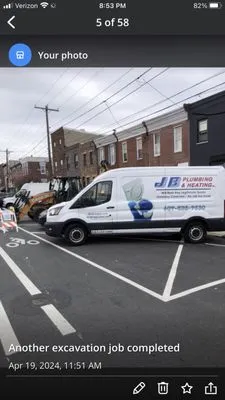
Since 1979, JB Plumbing and Heating has been a family-owned and operated plumbing service in Philadelphia. As the owner for the last 30 years, I ensure we are a licensed, registered, and punctual team...
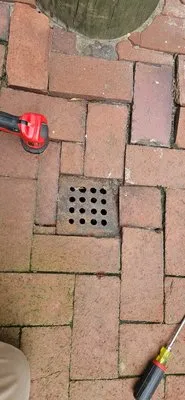
Philadelphia Plumbing Services, LLC is a locally owned and operated plumbing company established in 2012. Our registered Master Plumber and team provide reliable residential and commercial plumbing se...
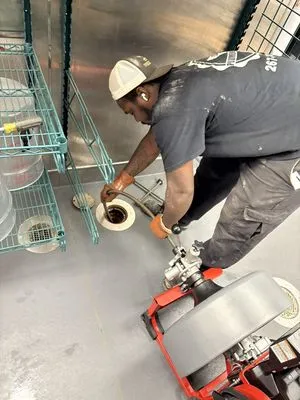
Boss Plumbing & Heating
As a family-owned, licensed, and insured business serving the Greater Philadelphia area, Boss Plumbing & Heating brings a personal touch to every job. Our team arrives at your door ready to listen, tr...

My Plumber has been a trusted Philadelphia plumbing service since 1975. We are a licensed, professional team serving the tri-state area with reliable solutions for everything from simple faucet repair...
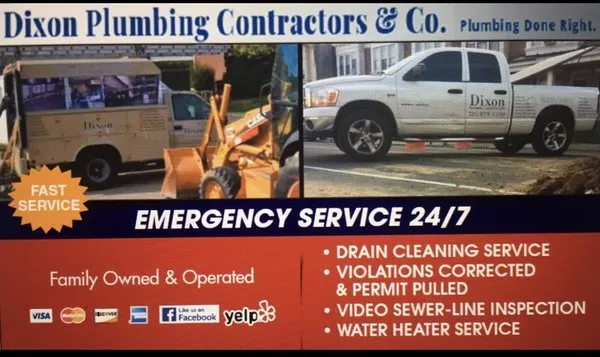
For over 25 years, Dixon Plumbing Contractors has been a trusted local plumber serving Philadelphia, Delaware County, and Montgomery County. As a Registered Master Plumber based in Philadelphia, owner...
Plumbing Pals
Plumbing Pals is a family-owned and operated plumbing company serving Philadelphia and the surrounding communities. We specialize in drain cleaning, hydro jetting, and camera scope inspections, provid...
Aqua Plumbing & Heating
Aqua Plumbing & Heating is a family-owned Philadelphia plumbing and HVAC company dedicated to providing reliable service for both homes and businesses. We handle everything from emergency repairs on l...
Drains R Us Plumbing and Drain Cleaning
Drains R Us Plumbing and Drain Cleaning is a Philadelphia-based plumbing company founded by two experienced professionals with over a decade of experience at one of the world's largest plumbing compan...
Zip To Zip Plumbing has been serving Philadelphia homeowners since 2008 as a licensed, trusted residential plumbing service. We specialize in a full range of plumbing solutions including installations...
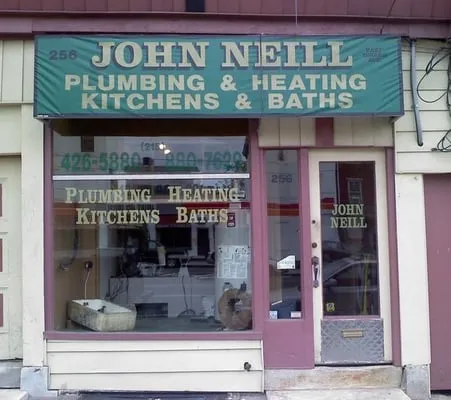
John Neill Plumbing and Heating
John Neill Plumbing and Heating is a family-owned Philadelphia plumbing and heating company with deep roots in the community. Founded in 2003 by John Neill, the business carries forward a legacy that ...
Estimated Plumbing Costs in Haddon, NJ
Q&A
What's the most important thing to do for my pipes before winter?
Given our temperate climate where lows hit 26°F, the critical pro-tip is to disconnect and drain your outdoor hose bibs by late November. The real danger is the spring thaw. Any tiny freeze crack that forms in winter will remain sealed by ice until a rapid thaw in March or April, when it then bursts open. Insulating exposed pipes in crawl spaces and garages prevents that initial freeze crack.
How quickly can a plumber get here for an emergency leak?
My dispatch route from this area typically has me heading past Cooper River Park onto I-295, which puts me in most parts of Haddon or Haddon Heights within 25 to 35 minutes. I keep a truck stocked for the common failures we see here, so that time includes grabbing the specific fittings and pipe for a repair before I arrive at your door.
Could the flat land near Cooper River Park cause plumbing issues?
The low-lying terrain affects drainage. During heavy rain, the water table rises and saturates the soil around your home's foundation. This puts constant hydrostatic pressure on your underground sewer lateral and can lead to infiltration at pipe joints. Over time, this saturated, shifting soil also stresses the main water service line coming into the house, potentially causing it to settle and fail.
What permits are needed for a water heater replacement in Haddon?
The Haddon Township Construction Office requires a permit for a water heater replacement, which includes an inspection. As a Master Plumber licensed by the New Jersey State Board of Examiners, I pull that permit, schedule the inspection, and ensure the installation meets all code for pressure relief valves and seismic straps. My license means I handle that red tape so you don't have to navigate it yourself.
As a homeowner here, what should I know about my main sewer line?
In this suburban setting, you're connected to the municipal sewer. The most common issue is root intrusion into the clay or older PVC sewer lateral that runs from your house to the street main. Mature tree roots seek out the moisture and minor cracks at pipe joints. We recommend a video inspection every few years to catch root growth early, before it causes a complete backup.
Does our local water from the Delaware River damage appliances?
Yes, the mineral content that makes it hard water leads to scale buildup. Inside a water heater, that scale acts as an insulator on the heating elements, forcing them to work harder and fail prematurely. On faucet cartridges and valve seats, the abrasive scale causes wear and leads to drips. We install water softening systems and use dielectric unions on water heaters specifically to combat this.
My water pressure is low and the water has a rusty tint, especially in Haddon Heights. What's happening?
Your home's original galvanized steel supply lines are now 88 years old, based on the area's 1938 construction. That pipe material corrodes from the inside out. What you're seeing is the final stage of that process: the internal diameter has narrowed so much from rust scale that pressure drops, and the rust itself is flaking into your water. Many houses in this neighborhood are experiencing total line failures at this exact age.
Why do I keep getting pinhole leaks in my basement pipes?
Galvanized steel pipe installed in 1938 has a finite lifespan. The zinc coating that prevents rust wore off decades ago. Now, the bare steel is corroding unevenly, creating weak spots that fail under standard municipal water pressure. These pinhole leaks often appear at threaded joints or along horizontal runs where water sits, and they are a definitive sign the entire system is nearing end-of-service.
