Top Emergency Plumbers in Glendora, NJ, 08029 | Compare & Call

There are 239 plumbing companies server in Glendora NJ
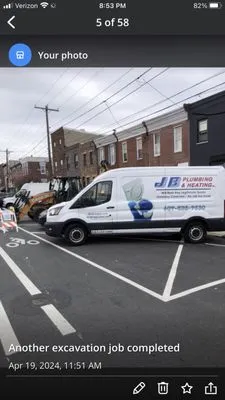
Since 1979, JB Plumbing and Heating has been a family-owned and operated plumbing service in Philadelphia. As the owner for the last 30 years, I ensure we are a licensed, registered, and punctual team...
Philadelphia Plumbing Services, LLC is a locally owned and operated plumbing company established in 2012. Our registered Master Plumber and team provide reliable residential and commercial plumbing se...
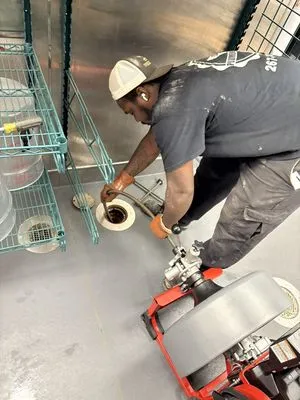
Boss Plumbing & Heating
As a family-owned, licensed, and insured business serving the Greater Philadelphia area, Boss Plumbing & Heating brings a personal touch to every job. Our team arrives at your door ready to listen, tr...

My Plumber has been a trusted Philadelphia plumbing service since 1975. We are a licensed, professional team serving the tri-state area with reliable solutions for everything from simple faucet repair...
Plumbing Pals
Plumbing Pals is a family-owned and operated plumbing company serving Philadelphia and the surrounding communities. We specialize in drain cleaning, hydro jetting, and camera scope inspections, provid...
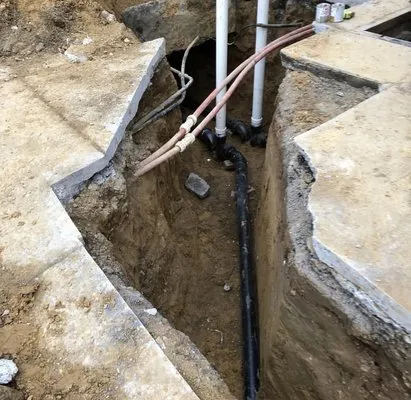
Aqua Plumbing & Heating
Aqua Plumbing & Heating is a family-owned Philadelphia plumbing and HVAC company dedicated to providing reliable service for both homes and businesses. We handle everything from emergency repairs on l...
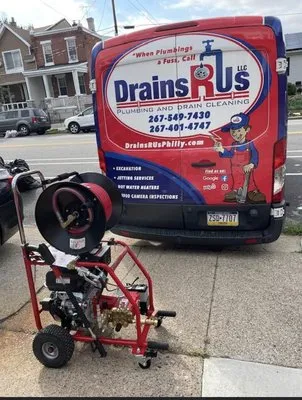
Drains R Us Plumbing and Drain Cleaning
Drains R Us Plumbing and Drain Cleaning is a Philadelphia-based plumbing company founded by two experienced professionals with over a decade of experience at one of the world's largest plumbing compan...
Zip To Zip Plumbing has been serving Philadelphia homeowners since 2008 as a licensed, trusted residential plumbing service. We specialize in a full range of plumbing solutions including installations...
Vaughan Plumbing is a trusted local plumbing service in Philadelphia, PA, dedicated to providing reliable solutions for residential plumbing needs. We specialize in a comprehensive range of services i...
For over 40 years, Master Jay has been the trusted plumbing expert for Philadelphia homeowners. His extensive career spans everything from single-family homes to large-scale, 300-unit developments, gi...
Estimated Plumbing Costs in Glendora, NJ
Q&A
Does our local water cause issues with water heaters or faucets?
Water sourced from the Delaware River is hard, leading to significant lime scale buildup. Inside water heaters, this scale acts as an insulating blanket on the heating elements, forcing them to work harder and fail prematurely. At fixtures, scale accumulates in aerators and cartridge valves, drastically reducing flow and requiring frequent cleaning. Installing a whole-house water softener is the most effective long-term measure to protect appliances and maintain pressure.
What's one thing I should do before spring to avoid a plumbing disaster?
Before the spring thaw hits its peak, disconnect and drain all outdoor garden hoses. A hose bib that freezes and bursts during a 24-degree night can flood your basement when it thaws. Insulating exposed pipes in unheated crawl spaces or garages is also critical during these temperature swings. This simple, seasonal habit prevents one of the most common and costly calls we get during the temperate shift.
Could the lay of the land in Glendora be affecting my main drain?
The low-lying terrain, especially near Glendora Lake, means soil stays saturated longer. This constant moisture and shifting put extra lateral stress on your main sewer line, potentially causing joint separation or pipe sag over decades. During heavy rains, groundwater infiltration into older clay or cast iron lines is also more likely here. A video inspection can identify if these terrain-induced stresses have compromised your line's grade and integrity.
How quickly can a plumber get to my house in Glendora?
From our base near Glendora Lake, the dispatch route runs up I-295, providing direct access to most of the township. Heading past Glendora Lake on I-295 allows us to bypass local traffic, keeping a typical response within 20 to 30 minutes for urgent calls. We monitor real-time traffic to adjust the route if needed, ensuring we arrive prepared with the right tools for a Gloucester Township home.
What permits are needed for a repipe in Gloucester Township, and who handles it?
Any repiping project requires a plumbing permit from the Gloucester Township Construction Office, followed by mandatory inspections. As a Master Plumber licensed by the New Jersey State Board of Examiners, I pull the permit, schedule the inspections, and ensure all work meets current code. This process includes pressure tests and a final review by the township inspector. My credential means I handle the red tape so you don't have to, guaranteeing the job is documented and legal.
As a Glendora homeowner, are tree roots a threat to my pipes?
In this suburban setting, mature tree roots seeking moisture are a primary cause of blocked sewer laterals. Roots infiltrate through old pipe joints, creating a dense mass that catches waste and requires professional jetting or cutting. Municipal water pressure is generally consistent, but a sudden drop could indicate a breach in your main service line, possibly from root intrusion or corrosion. Knowing where your main line runs relative to large trees helps anticipate this issue.
Why do my old pipes keep springing new leaks even after repairs?
Galvanized steel from the late 1950s suffers from internal corrosion and joint calcification. Each repair on a brittle, weakened section often transfers stress to the next oldest fitting, causing a new pinhole leak nearby. The pipe walls themselves are thinning uniformly, so patching one spot rarely solves the underlying problem. A full-system assessment is usually needed to determine if spot repairs are still viable or if repiping is the more reliable solution.
My Glendora Heights home has original plumbing. What kind of problems should I expect?
Homes built here around 1959 now have 67-year-old galvanized steel pipes. You are likely seeing the final stage of failure: widespread pinhole leaks, especially at threaded joints and elbows, causing multiple drips inside walls. The internal diameter has narrowed so much from rust and scale that water pressure is a fraction of what it was. Replacing entire trunk lines, not just patching sections, has become the standard repair to restore proper flow and stop the leaks.
