Top Emergency Plumbers in Gibbstown, NJ, 08027 | Compare & Call

There are 239 plumbing companies server in Gibbstown NJ
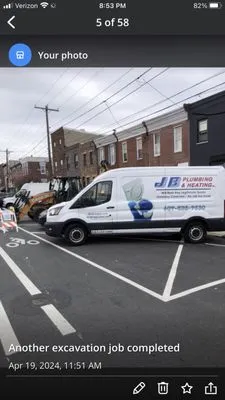
Since 1979, JB Plumbing and Heating has been a family-owned and operated plumbing service in Philadelphia. As the owner for the last 30 years, I ensure we are a licensed, registered, and punctual team...
Philadelphia Plumbing Services, LLC is a locally owned and operated plumbing company established in 2012. Our registered Master Plumber and team provide reliable residential and commercial plumbing se...
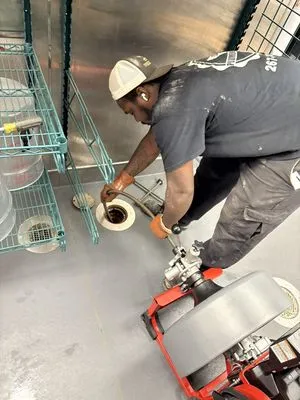
Boss Plumbing & Heating
As a family-owned, licensed, and insured business serving the Greater Philadelphia area, Boss Plumbing & Heating brings a personal touch to every job. Our team arrives at your door ready to listen, tr...
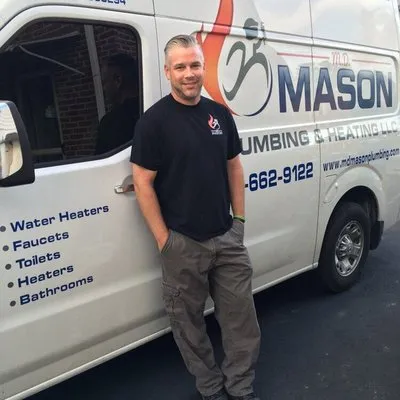
M D Mason Plumbing & Heating
M D Mason Plumbing & Heating is a trusted local business owned and operated by Master Plumber Michael Mason, who has over 15 years of experience serving Delaware County and the Main Line. Michael resi...
Plumbing Pals
Plumbing Pals is a family-owned and operated plumbing company serving Philadelphia and the surrounding communities. We specialize in drain cleaning, hydro jetting, and camera scope inspections, provid...
Aqua Plumbing & Heating
Aqua Plumbing & Heating is a family-owned Philadelphia plumbing and HVAC company dedicated to providing reliable service for both homes and businesses. We handle everything from emergency repairs on l...
Drains R Us Plumbing and Drain Cleaning
Drains R Us Plumbing and Drain Cleaning is a Philadelphia-based plumbing company founded by two experienced professionals with over a decade of experience at one of the world's largest plumbing compan...
Zip To Zip Plumbing has been serving Philadelphia homeowners since 2008 as a licensed, trusted residential plumbing service. We specialize in a full range of plumbing solutions including installations...
Vaughan Plumbing is a trusted local plumbing service in Philadelphia, PA, dedicated to providing reliable solutions for residential plumbing needs. We specialize in a comprehensive range of services i...
For over 40 years, Master Jay has been the trusted plumbing expert for Philadelphia homeowners. His extensive career spans everything from single-family homes to large-scale, 300-unit developments, gi...
Estimated Plumbing Costs in Gibbstown, NJ
Common Questions
What's the most important spring plumbing maintenance for this area?
Before the spring thaw hits its peak, locate and test your main water shut-off valve. A hard freeze around our typical 25-degree low can cause a pipe to crack, and the leak may not manifest until the ice melts as temperatures rise. Knowing how to immediately cut the water off at the street or curb stop can prevent catastrophic flooding when that hidden break finally lets go.
How fast can a plumber get to my house in Gibbstown?
For calls in Gibbstown, I take the I-295 route from the Paulsboro area, heading past the Gibbstown Swim Club to access most neighborhoods. Barring heavy traffic, this dispatch route typically results in a 20 to 30 minute response time. Knowing the local shortcuts off the main arteries is key to minimizing that travel window for urgent calls.
Do I need a permit to replace my water heater in Greenwich Township?
Yes, Greenwich Township Construction Office requires a permit for water heater replacement. As a New Jersey State Board licensed Master Plumber, I handle pulling that permit, scheduling the inspection, and ensuring the installation meets all current code for pressure relief valves and seismic straps. My license means I manage the red tape so you don't have to, and the work is certified for your home's records.
Why are my water pipes in Gibbstown failing all of a sudden?
Homes built around 1959, which is common in Greenwich Township, are now 67 years old. The original galvanized steel water lines have reached the end of their service life. Homeowners are seeing a sudden spike in leaks and a significant drop in water pressure because the interior of these pipes is completely clogged with rust and mineral scale. This isn't a coincidence; it's the predictable failure point for this era of construction.
As a suburban homeowner, what's my biggest plumbing risk?
In this suburban setting, the lateral sewer line from your house to the municipal main is your responsibility. The single biggest risk is tree root intrusion into older clay or cast iron lines, which are still common here. Roots seek the moisture and nutrients in the pipe, causing repeated clogs and eventual collapse. Proactive camera inspections can identify this issue before it causes a backup into your home.
Could my yard's slope be causing my main sewer line problems?
The low-lying, flat terrain common around Gibbstown can complicate drainage. Over decades, soil settlement is uneven, putting stress on the main sewer line running from your house to the street. This can lead to bellies or sags in the pipe where waste collects, and eventually causes blockages or root intrusion. Properties near the swim club or other low areas are particularly susceptible to this gradual, ground-shift damage.
Does Delaware River water damage my plumbing fixtures?
Water sourced from the Delaware is very hard, meaning it's high in dissolved minerals like calcium and magnesium. Over time, this causes heavy scale buildup inside appliances. Water heaters are hit hardest; the lower heating element becomes encased in rock-like scale, forcing it to work harder and fail prematurely. You'll notice reduced efficiency and shorter lifespans for fixtures and appliances without treatment.
What is that white crust on my old pipe fittings?
That white, chalky buildup is calcification from galvanized steel joints failing. The original threaded connections, installed around 1959, slowly degrade and weep. Our hard water then deposits minerals on the outside, creating that crust. It's a visual warning of a weakening joint that will likely become a pinhole leak, often hidden inside a wall or ceiling.
