Top Emergency Plumbers in Eatontown, NJ, 07703 | Compare & Call

There are 240 plumbing companies server in Eatontown NJ
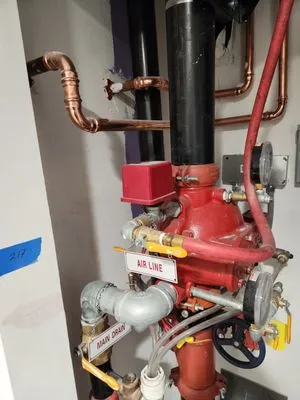
Pee's Plumber and Heating is a trusted, full-service plumbing company serving Newportville, PA, and the surrounding communities. We specialize in addressing the common plumbing challenges faced by loc...
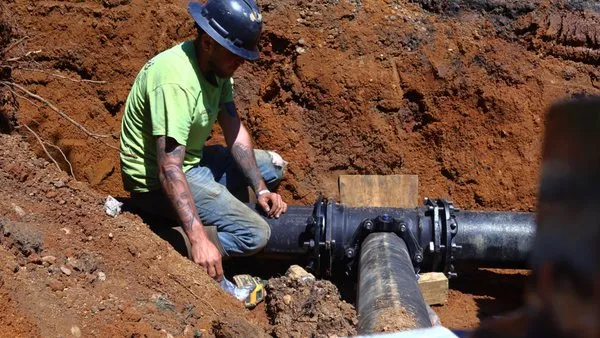
KE Seifert, Inc. is a trusted plumbing and HVAC contractor with deep roots in the Langhorne community. Our journey began in 1981 with drain cleaning services for Bucks County. By 1983, we had expanded...
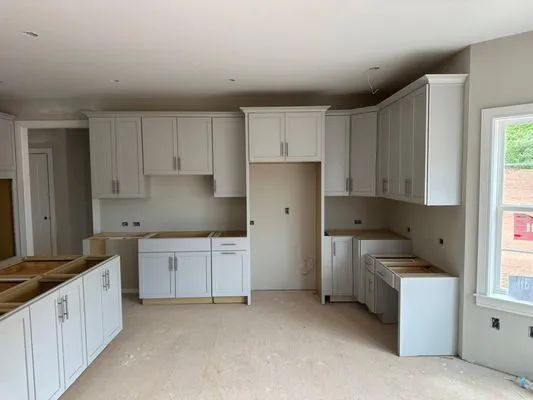
KLL Home Improvements, based in Stroudsburg, PA, is a family-owned contractor founded over a decade ago on a passion for blending design and functionality. Specializing in kitchen and bathroom remodel...

Al's Plumbing has been serving Southampton, PA, and the surrounding communities with reliable plumbing solutions for years. As a locally owned and operated business, we understand the unique plumbing ...
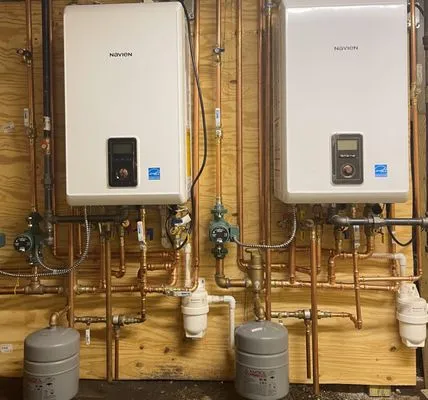
M&A Plumbing and Heating
For over a decade, M&A Plumbing and Heating has been a trusted name in Jersey City, built on a foundation of honesty, care, and reliability. Driven by owner Danny's commitment to customer satisfaction...
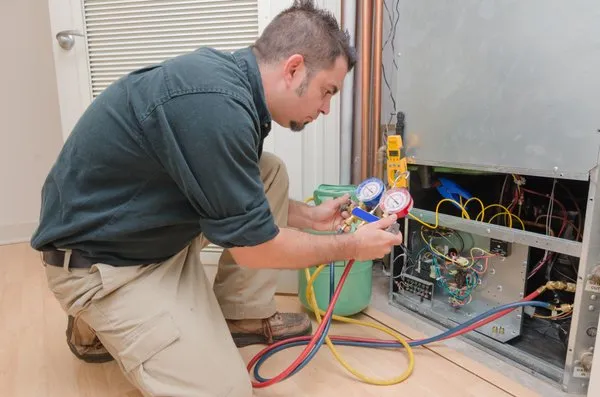
Service Tech Plumbing Heating &Cooling
Service Tech Plumbing Heating & Cooling is a trusted, locally-owned company serving Sayreville and surrounding areas. Founded in 2014 by master licensed plumber and HVAC technician Denis Cekic, our te...
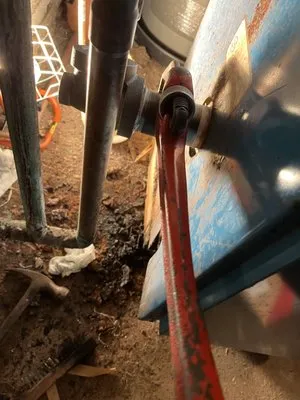
Mr. Rogers Carpentry & Handyman Services
Mr. Rogers Carpentry & Handyman Services is a family-owned business serving Elizabeth, NJ, with over 20 years of experience in general building maintenance. We specialize in providing effective soluti...
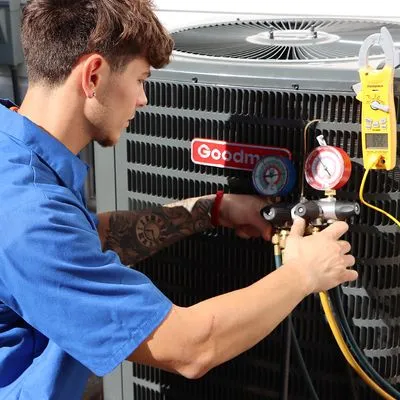
Binsky Home Service
Binsky Home Service is a family-owned home service provider serving Somerset, NJ, and surrounding communities with over 85 years of combined experience. Founded and operated by fourth-generation owner...
SmartFix Home Improvement is a Newark-based home renovation company founded in 2010 by Sergio, who brings over 20 years of construction experience to every project. Licensed and registered with NJ Con...
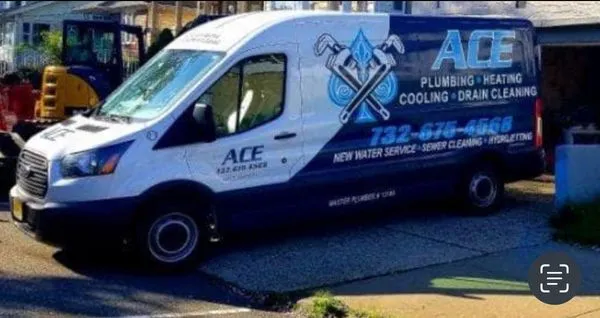
Ace Plumbing and Heating
Ace Plumbing and Heating is your trusted, full-service plumbing and HVAC specialist serving Jamesburg, NJ, and the surrounding communities. We understand the unique challenges homeowners face here, fr...
Estimated Plumbing Costs in Eatontown, NJ
Common Questions
Why am I suddenly getting more plumbing leaks in my Eatontown home?
Copper plumbing installed in 1974 is now 52 years old. That age is a primary threshold where pinhole leaks become common. In Wampum and similar neighborhoods, we see copper thinned from decades of water flow, especially at joints and bends. The metal simply reaches the end of its functional lifespan, and isolated failures start becoming a pattern.
As a suburban homeowner, what's my responsibility for the sewer line?
You own the lateral sewer line from your house to the municipal connection at the street. In Eatontown's suburban setting, the most common issues are root intrusion at pipe joints and occasional scale buildup. Municipal water pressure is generally consistent, but any work on your side of the property line, including clearing a blockage, is the homeowner's responsibility to maintain.
Could the land around Monmouth Mall affect my home's drainage?
Coastal terrain here has a gentle slope. During heavy rain, water can sheet-flow across properties, putting hydrostatic pressure on foundation walls and buried sewer laterals. If your home is downhill from a large paved area like a mall parking lot, your main line may experience more frequent blockages from soil infiltration or root stress as the ground shifts.
What should I do to prepare my plumbing for spring in this area?
The spring thaw, following winter lows around 24°F, can shift foundation pipes. A pro-tip for our temperate climate is to check all accessible hose bibs and basement pipes for drips or sweat in March. Ensure your main water shut-off valve operates smoothly. This simple check can identify a minor leak from winter stress before it becomes a major issue during peak thaw.
What permits are needed for a water heater replacement in Eatontown?
The Eatontown Building Department requires a permit for water heater replacement. As a Master Plumber licensed by the New Jersey State Board of Examiners, I pull the permit, schedule the inspection, and ensure the installation meets all current code. This handles the red tape so you don't have to navigate town hall requirements yourself.
How quickly can a plumber get to my house in an emergency?
Heading past Monmouth Mall on the Garden State Parkway gets us into most Eatontown neighborhoods efficiently. From dispatch, a typical response window is 30 to 45 minutes. We plan routes to avoid peak Parkway congestion, prioritizing calls for active water leaks to minimize damage to your home.
Does our water from the Manasquan Reservoir damage plumbing fixtures?
Water from the reservoir is hard, meaning it has high mineral content. Over time, these minerals deposit as scale inside pipes, water heaters, and faucet aerators. In a water heater, scale buildup acts as an insulator on the heating elements, forcing the unit to work harder and fail sooner. You'll notice reduced flow from fixtures and possibly inconsistent hot water as a result.
What is a pinhole leak and why does it happen in older copper pipes?
A pinhole leak is a tiny, localized corrosion failure in copper pipe walls. In systems from 1974, it's often due to a combination of age, water chemistry, and microscopic imperfections in the pipe. The leak starts inside the pipe where scale and corrosion pit the copper, eventually wearing through. You'll typically see a small, persistent drip or a stain on drywall before a larger breach occurs.
