Top Emergency Plumbers in Delaware, NJ, 08530 | Compare & Call

There are 110 plumbing companies server in Delaware NJ

Benjamin Franklin Plumbing
Benjamin Franklin Plumbing in Bethlehem, PA, provides reliable plumbing services for local homeowners. When plumbing emergencies strike, our team is available 24/7 to address urgent issues like burst ...
Agentis Plumbing
Agentis Plumbing is a third-generation, family-owned plumbing company that has been serving the Lehigh Valley, including Bethlehem, since 1954. We are your local Peace of Mind Plumber, committed to bu...
Zoom Drain in Fogelsville is built on a deep family legacy in plumbing, started by our grandfather in 1948. Twenty years ago, we launched Zoom with our dad and brother from a spare bedroom, riding tog...
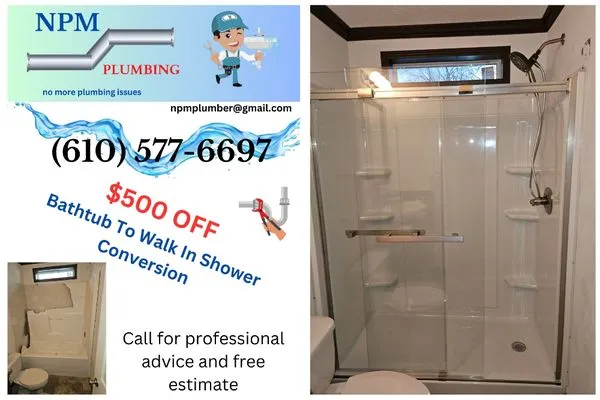
NPM Plumbing is a family-owned plumbing business serving Lehighton, PA, and surrounding Carbon County areas with over 27 years of experience. We handle everything from routine maintenance and repairs ...

Schuler Service
Schuler Service is a family-owned plumbing and remodeling company that has been a trusted part of the Allentown community since 1923. Founded as a small shop with a push-cart, the business, now owned ...

Elek Plumbing has been serving Allentown and the Lehigh Valley since 1913, when Hungarian immigrant William Elek Senior founded the business in Bethlehem. Now in its third generation of family ownersh...
Andreas Plumbing, Heating & Air Conditioning
Andreas Plumbing, Heating & Air Conditioning is a family-run, four-generation business proudly serving Lehighton and the surrounding Carbon County area. Founded on a deep commitment to the community, ...
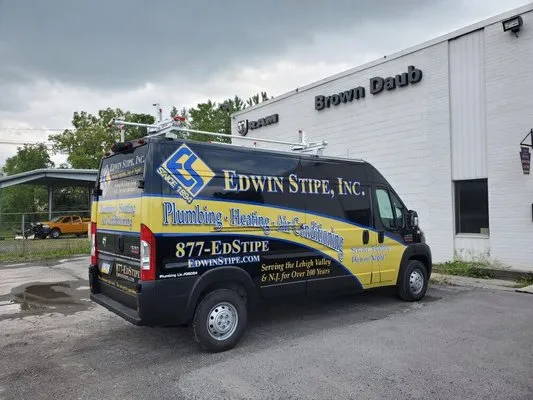
Edwin Stipe
Since 1894, Edwin Stipe has been the trusted name for plumbing and HVAC in Easton, PA, and the Lehigh Valley. Operating with the same mission for over a century, we believe in employing skilled techni...
My journey in hands-on repair started young, right in the basement of my childhood home. At age eleven, I found some wire and an outlet on my dad's workbench and decided to install it myself. I manage...
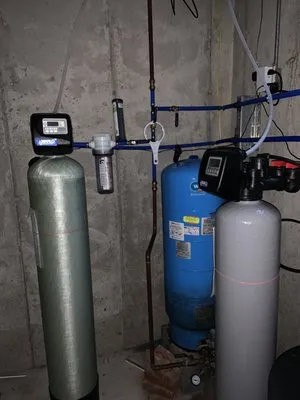
EMJ Plumbing is a trusted, family-owned and operated plumbing service that has been a reliable fixture in Hokendauqua and the greater Lehigh Valley for over 15 years. Our experienced team specializes ...
Estimated Plumbing Costs in Delaware, NJ
Questions and Answers
What should I do before spring thaw to prevent plumbing problems?
Insulate exposed pipes in crawl spaces and basements before temperatures drop to 22°F. Disconnect garden hoses and shut off outdoor faucets from inside. During spring thaw, check for leaks where pipes enter the foundation—ground shifting can stress connections. A pro-tip: keep cabinet doors open under sinks on cold nights to let warm air circulate around pipes.
Could my home's hillside location cause drainage issues?
Hilly terrain around Delaware River affects drainage by putting gravity stress on sewer lines. Downslope sections can develop bellies where waste collects, leading to clogs. Soil erosion during heavy rain exposes buried pipes to freezing or damage. Main water lines from wells often run uphill, requiring higher pump pressure that strains older galvanized connections.
Why do my old pipes keep springing pinhole leaks?
Galvanized steel pipes from 1938 suffer from internal corrosion that creates weak spots. Pinhole leaks develop where the zinc coating has worn away and the underlying steel rusts through. Joint calcification is another issue—mineral deposits build up at connections until the pipe cracks under pressure. These failures are progressive; one leak often signals more are coming.
My Delaware Village home was built around 1938 - should I be worried about the plumbing?
Galvanized steel pipes installed in 1938 are now 88 years old. Homeowners in Delaware Village are seeing rust-colored water, reduced water pressure, and frequent leaks at threaded joints. The interior walls of these pipes have corroded to the point where mineral deposits and rust flakes break loose, clogging faucets and valves. Complete pipe failure often happens without much warning once they reach this age.
How does living in rural Delaware affect my septic and well systems?
Private wells and septic systems require regular maintenance that municipal utilities handle. Well pumps and pressure tanks wear out faster with hard water. Septic fields in hilly areas need proper grading to function—improper drainage can cause backups. Unlike urban settings with public water pressure, well systems depend on pumps that fail without warning.
How quickly can a plumber reach my home in Delaware, NJ?
Heading past Delaware River on US Route 46, most service calls take 45-60 minutes from dispatch. The route follows the river valley before climbing into the hills where many homes sit. Traffic on Route 46 is generally light, but winding roads and driveway access in hilly areas add time. We plan routes to minimize travel so we can focus on your plumbing issue.
Does hard water from my private well damage plumbing fixtures?
Hard water causes scale buildup inside water heaters, reducing efficiency and shortening their lifespan. Fixtures like showerheads and faucet aerators clog with mineral deposits, decreasing flow. The combination of hard water and old galvanized pipes accelerates corrosion. Installing a water softener protects newer fixtures, but scale still accumulates in pipes that can't be replaced.
What permits are needed for plumbing work in Knowlton Township?
Knowlton Township Construction Office requires permits for water heater replacements, sewer line repairs, and new fixture installations. As a Master Plumber licensed by the New Jersey State Board of Examiners, I handle the red tape so you don't have to. This includes submitting plans, scheduling inspections, and ensuring work meets current code. Proper permits protect your home's value and safety.
