Top Emergency Plumbers in Cherry Hill Mall, NJ, 08002 | Compare & Call

There are 236 plumbing companies server in Cherry Hill Mall NJ
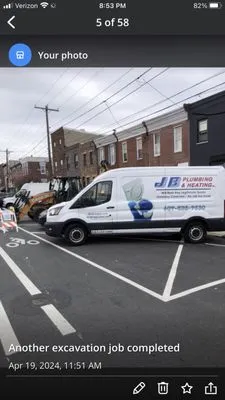
Since 1979, JB Plumbing and Heating has been a family-owned and operated plumbing service in Philadelphia. As the owner for the last 30 years, I ensure we are a licensed, registered, and punctual team...
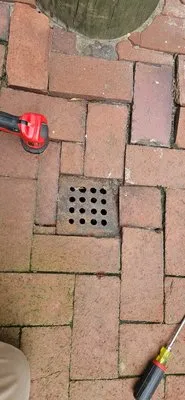
Philadelphia Plumbing Services, LLC is a locally owned and operated plumbing company established in 2012. Our registered Master Plumber and team provide reliable residential and commercial plumbing se...
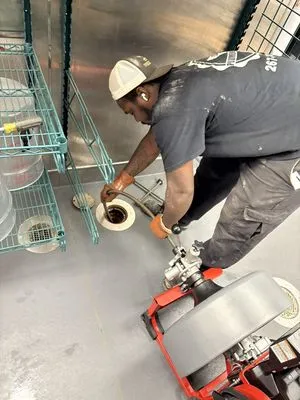
Boss Plumbing & Heating
As a family-owned, licensed, and insured business serving the Greater Philadelphia area, Boss Plumbing & Heating brings a personal touch to every job. Our team arrives at your door ready to listen, tr...

My Plumber has been a trusted Philadelphia plumbing service since 1975. We are a licensed, professional team serving the tri-state area with reliable solutions for everything from simple faucet repair...
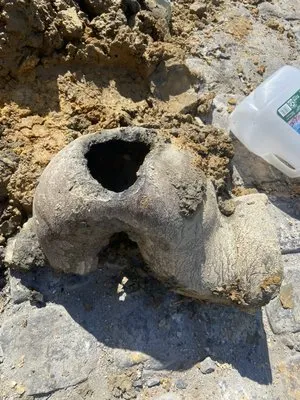
Plumbing Pals
Plumbing Pals is a family-owned and operated plumbing company serving Philadelphia and the surrounding communities. We specialize in drain cleaning, hydro jetting, and camera scope inspections, provid...
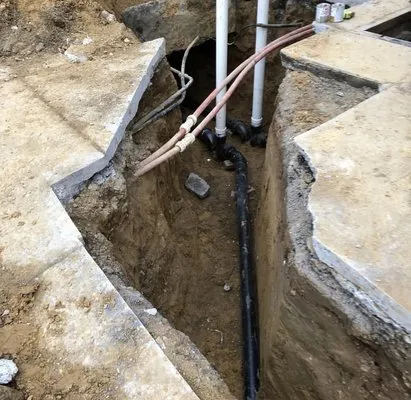
Aqua Plumbing & Heating
Aqua Plumbing & Heating is a family-owned Philadelphia plumbing and HVAC company dedicated to providing reliable service for both homes and businesses. We handle everything from emergency repairs on l...
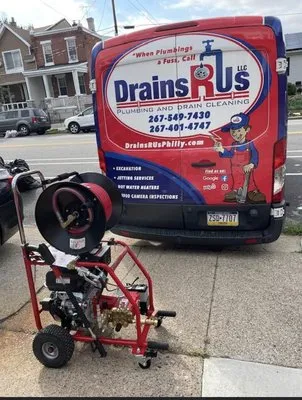
Drains R Us Plumbing and Drain Cleaning
Drains R Us Plumbing and Drain Cleaning is a Philadelphia-based plumbing company founded by two experienced professionals with over a decade of experience at one of the world's largest plumbing compan...
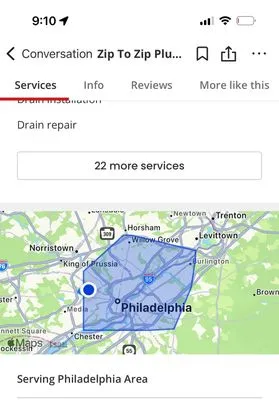
Zip To Zip Plumbing has been serving Philadelphia homeowners since 2008 as a licensed, trusted residential plumbing service. We specialize in a full range of plumbing solutions including installations...
Vaughan Plumbing is a trusted local plumbing service in Philadelphia, PA, dedicated to providing reliable solutions for residential plumbing needs. We specialize in a comprehensive range of services i...
Maxed Out Plumbing is a licensed and insured plumbing company serving Philadelphia, PA, and surrounding areas. We specialize in a comprehensive range of residential and commercial plumbing services, i...
Estimated Plumbing Costs in Cherry Hill Mall, NJ
Q&A
What's one plumbing tip for Cherry Hill's winter and spring weather?
Insulate any exposed pipes in unheated spaces like your garage or crawlspace, even though our lows typically hover around 25°F. The bigger pro-tip is to check your main water shut-off valve every fall. During the spring thaw, fluctuating ground temperatures can stress old gate valves, causing them to seize. A valve that turns freely in November prevents a frantic search for the main curb stop during a basement leak in March.
Does the Delaware River water cause problems for my water heater or fixtures?
Yes, the municipal supply drawn from the Delaware River is very hard, meaning it has high mineral content. Those minerals, primarily calcium and magnesium, precipitate out as scale inside appliances. Your water heater's heating elements become insulated by scale, forcing it to work harder and fail sooner. You'll also see reduced flow and premature wear on cartridge-style faucet valves, especially in kitchens and master baths.
Do I need a permit to replace my water heater, and how does that work?
Yes, Cherry Hill Township requires a permit from the Department of Community Development for water heater replacements. The process involves an inspection to ensure proper installation, including expansion tank and pan requirements. As a licensed Master Plumber credentialed by the New Jersey State Board of Examiners, I pull the permit, schedule the inspection, and handle all the red tape. Your only job is to be available for the 30-minute inspector visit, which I will coordinate.
How long does it take for a plumber to get to my house from the Cherry Hill Mall area?
My dispatch route typically heads past Cherry Hill Mall to access I-295, which is the main artery for most of the township. From there, travel to Cherry Hill Estates or nearby neighborhoods usually takes 30 to 45 minutes in normal traffic. I plan routes to avoid peak congestion when possible, and that timeframe includes loading the specific parts for common local jobs, like dielectric unions for water heater connections.
Why does my 1960s copper plumbing keep springing pinhole leaks?
Copper installed in the mid-1960s has endured decades of our hard water, which accelerates a process called erosion corrosion. Microscopic scale buildup creates uneven surfaces inside the pipe, causing turbulent water flow that eventually wears through the wall. The leaks often appear first on horizontal hot water runs in basements or crawlspaces. Repairs can be spot-fixes, but at this age, a full section replacement is often more reliable than another patch.
As a suburban homeowner, what should I know about my connection to the town's system?
You're connected to Cherry Hill's municipal water and sewer mains. Pressure is generally consistent, but aging infrastructure can sometimes lead to sediment dislodgement, which shows up as rust-colored water. On the sewer side, the lateral line from your house to the street is your responsibility. While we don't have large tree roots like older urban areas, shrub roots from property lines can still infiltrate joints in that lateral, especially if it's original clay pipe.
How old are the plumbing pipes in my Cherry Hill Estates home, and what should I expect?
Homes built around 1965 now have copper pipes that are over 60 years old. At this stage, homeowners often see a pattern of recurring pinhole leaks, especially in hot water lines. The copper's interior walls have thinned from decades of water flow and local water chemistry, making them more fragile. This is a predictable lifespan, not a random failure, and it's common to see neighbors on the same street scheduling similar repairs.
Does the flat land around here affect my home's drainage or sewer line?
The relatively plain terrain means there's less natural slope for drainage, so sump pumps are common and critical. For your main sewer line, the lack of a steep grade can allow debris and grease to settle more easily, leading to slow drains. It also means a blockage often manifests as a complete backup rather than a slow trickle, because there's no downhill momentum to push waste past an obstruction.
