Top Emergency Plumbers in Blairstown Township, NJ, 07825 | Compare & Call

Blairstown Township Emergency Plumbers
Phone : (888) 860-0649
There are 236 plumbing companies server in Blairstown Township NJ

Benjamin Franklin Plumbing
Benjamin Franklin Plumbing in Bethlehem, PA, provides reliable plumbing services for local homeowners. When plumbing emergencies strike, our team is available 24/7 to address urgent issues like burst ...
Agentis Plumbing
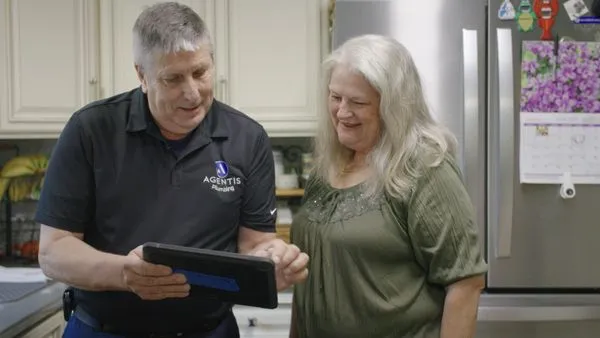
Agentis Plumbing is a third-generation, family-owned plumbing company that has been serving the Lehigh Valley, including Bethlehem, since 1954. We are your local Peace of Mind Plumber, committed to bu...
Zoom Drain in Fogelsville is built on a deep family legacy in plumbing, started by our grandfather in 1948. Twenty years ago, we launched Zoom with our dad and brother from a spare bedroom, riding tog...
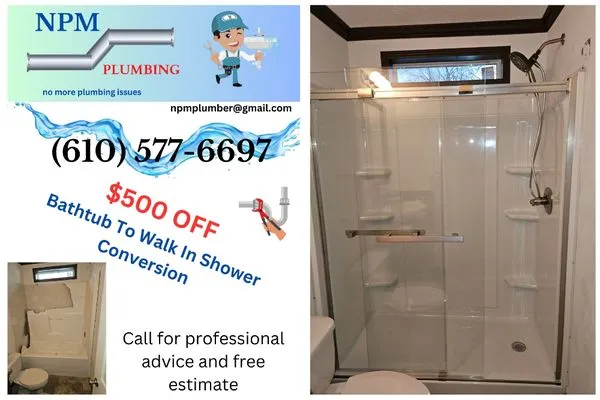
NPM Plumbing is a family-owned plumbing business serving Lehighton, PA, and surrounding Carbon County areas with over 27 years of experience. We handle everything from routine maintenance and repairs ...

Schuler Service
Schuler Service is a family-owned plumbing and remodeling company that has been a trusted part of the Allentown community since 1923. Founded as a small shop with a push-cart, the business, now owned ...

Elek Plumbing has been serving Allentown and the Lehigh Valley since 1913, when Hungarian immigrant William Elek Senior founded the business in Bethlehem. Now in its third generation of family ownersh...
Andreas Plumbing, Heating & Air Conditioning
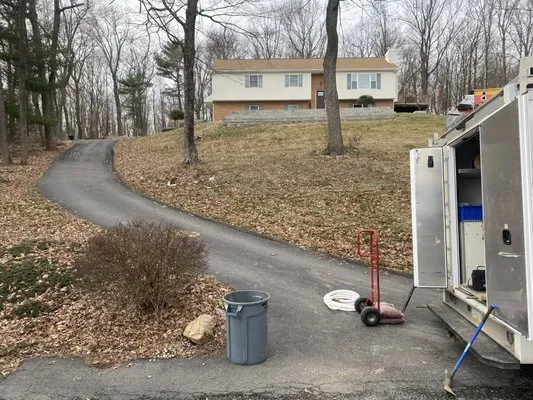
Andreas Plumbing, Heating & Air Conditioning is a family-run, four-generation business proudly serving Lehighton and the surrounding Carbon County area. Founded on a deep commitment to the community, ...
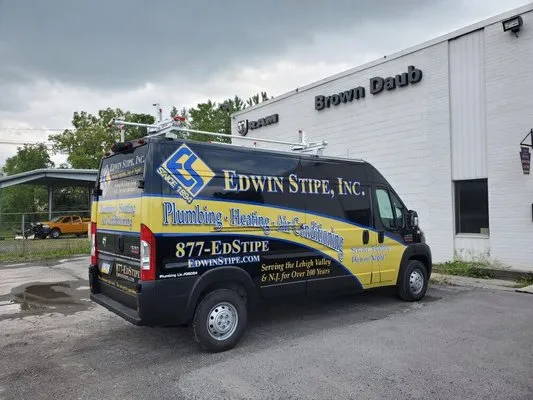
Edwin Stipe
Since 1894, Edwin Stipe has been the trusted name for plumbing and HVAC in Easton, PA, and the Lehigh Valley. Operating with the same mission for over a century, we believe in employing skilled techni...
My journey in hands-on repair started young, right in the basement of my childhood home. At age eleven, I found some wire and an outlet on my dad's workbench and decided to install it myself. I manage...
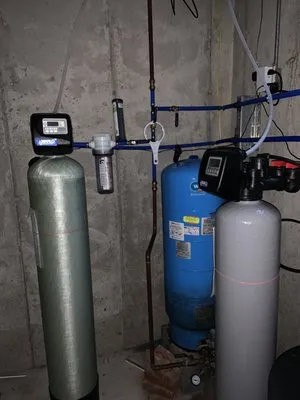
EMJ Plumbing is a trusted, family-owned and operated plumbing service that has been a reliable fixture in Hokendauqua and the greater Lehigh Valley for over 15 years. Our experienced team specializes ...
Estimated Plumbing Costs in Blairstown Township, NJ
Questions and Answers
How long does it take for a plumber to get to Blairstown for an emergency call?
From my shop, heading past the Paulins Kill River on I-80 is the main route into the township. A typical dispatch takes 45 to 60 minutes, accounting for local roads off the highway. I plan routes to minimize that time, but the rural landscape means you should anticipate that window for most service calls, especially during peak traffic or winter weather.
Is there a reason my 1970s home in Blairstown Village is suddenly having so many plumbing issues?
Houses from the 1978 building period now have 48-year-old copper pipes. At this age, the protective mineral layer inside the pipe can wear thin, making the copper more reactive. Homeowners often start seeing persistent pinhole leaks, especially at solder joints that have been stressed by decades of water pressure and temperature changes. This isn't a coincidence; it's the expected lifecycle for plumbing of that vintage in our area.
Are there special plumbing considerations for a rural home like mine?
Rural plumbing revolves around your private systems: the well and the septic. They are a closed loop. Harsh chemicals, excessive water use, or non-septic-safe products can disrupt the bacterial balance in your tank, leading to drain field failure. Well pump longevity is also a major concern; sudden pressure changes or sediment can burn out a pump, leaving you without water until a complex replacement is done.
What's the most important thing to do before spring to avoid a plumbing disaster?
Before the spring thaw hits its peak, disconnect and drain all outdoor hoses. Trapped water in a hose bib can freeze and crack the pipe inside your wall, a leak you won't discover until you turn it on. Given our lows around 18°F, that interior pipe is vulnerable. Doing this simple task in late fall is the single most effective pro-tip to prevent a very common and costly seasonal repair.
Does having a private well with hard water damage my plumbing appliances?
Yes, significantly. Hard water from private wells deposits scale, which acts as an insulating blanket inside your water heater. This forces the heater to work harder, shortening its lifespan and increasing energy bills. Scale also builds up inside faucet cartridges and valve seats, leading to reduced flow and premature failure. Installing and maintaining a proper water softener is not just for comfort; it's a protective measure for your entire plumbing system.
Why do my copper pipes keep springing pinhole leaks?
Copper pipes installed around 1978 are susceptible to a failure called Type M pitting corrosion. Our well water's specific chemistry, combined with nearly five decades of service, can create highly localized corrosion cells. This results in those frustrating pinhole leaks, often appearing on horizontal pipe runs or just downstream of fittings where water turbulence is highest. It's a systemic issue for homes of this age, not random bad luck.
Do I need a permit from the township to replace my water heater?
Yes, Blairstown Township Construction Office requires a permit for a water heater replacement, as does the New Jersey Uniform Construction Code. As a Master Plumber licensed by the New Jersey State Board of Examiners, I pull all necessary permits and schedule the required inspections. My license means I handle that red tape and ensure the work meets all state and local codes, so you don't have to navigate the process yourself.
Could the hilly land around here be causing my drainage problems?
Absolutely. The sloping terrain common near the Paulins Kill River puts constant, uneven stress on buried main water and sewer lines. This can lead to settling, joint separation, or even pipe fractures over time. For drainage, water naturally follows gravity, so a house built into a hillside may have chronic wet basement issues if the exterior footing drains, or 'curtain drains,' have failed or become overwhelmed.
