Top Emergency Plumbers in Bass River Township, NJ, 08087 | Compare & Call

Bass River Township Emergency Plumbers
Phone : (888) 860-0649
There are 236 plumbing companies server in Bass River Township NJ
WJW Plumbing and HVAC is a trusted, full-service company serving Philadelphia and the surrounding area. We specialize in professional plumbing and HVAC installations, from emergency pipe repairs and w...

Glenolden Plumbing Services is a locally-owned plumbing business in Philadelphia, PA, founded in 2017 by master plumber Sabrina. With over a decade of experience, Sabrina has built a reputation for re...

Veteran
Veteran is a military veteran-owned plumbing, heating, and cooling business serving Philadelphia, PA, and surrounding communities in Pennsylvania and New Jersey. With a perfect 5-star rating across Go...
Daniels Plumbing & Drain Cleaning
Daniels Plumbing & Drain Cleaning is a trusted, full-service plumbing company serving Southampton, PA, and the surrounding tri-state area. We provide comprehensive solutions for both homes and busines...
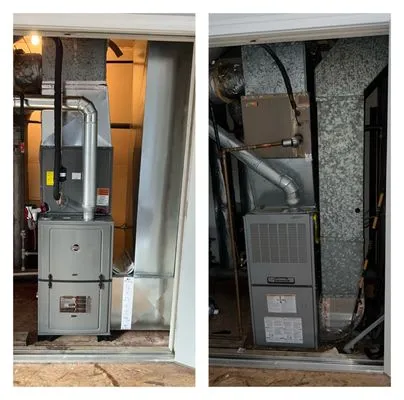
Jackson Mechanical
Jackson Mechanical is a licensed HVAC and plumbing company proudly serving Doylestown, PA, and the surrounding communities. We specialize in the installation, repair, and maintenance of heating, cooli...
McMackin Mechanical
McMackin Mechanical is a trusted plumbing and HVAC company serving Doylestown, PA, and the surrounding Bucks County area. With over 25 years of combined experience, our dedicated team focuses on provi...
Pipeline Drain Cleaning
Pipeline Drain Cleaning is a family-run, female-owned plumbing company serving Chester, PA. As an owner-operated business, we provide full-service solutions, from routine maintenance to 24/7 emergency...

Davenport Industries is a Philadelphia-based residential construction and remodeling company with over a decade of local experience. We specialize in custom home builds, major renovations, and compreh...

Phil's Drain Cleaning is a trusted, Philadelphia-based plumbing service dedicated to keeping homes and businesses in the City of Brotherly Love flowing smoothly. We specialize in addressing common loc...
Jonny Acosta, the owner and hands-on professional behind J J Acosta Palma in Philadelphia, has dedicated himself to interior home remodeling for over 17 years. His journey began at age 17, cultivating...
Estimated Plumbing Costs in Bass River Township, NJ
FAQs
How quickly can a plumber reach my home in Bass River Township during an emergency?
Heading past Bass River State Forest on Garden State Parkway gets me to most addresses within 45-60 minutes. I plan routes around seasonal traffic patterns and keep trucks stocked with common copper fittings and dielectric unions. For urgent leaks, I can often arrive faster by using local roads parallel to the Parkway when needed.
What permits do I need for plumbing work in Bass River Township?
The Bass River Township Construction Office requires permits for most plumbing modifications beyond basic repairs. As a New Jersey State Board of Examiners licensed Master Plumber, I handle all permit applications and inspections. This includes well modifications, septic tie-ins, and whole-house repipes. Proper documentation protects your home's value and ensures work meets current code standards.
Does the low-lying terrain around Bass River State Forest affect my main water line?
The flat, low-lying soil retains moisture longer, putting constant pressure on buried water mains. This environment accelerates corrosion on copper lines and can cause settling that stresses joints. During heavy rains, saturated ground may shift pipes slightly, leading to leaks at connection points. Proper drainage around your foundation helps reduce this hydraulic pressure on underground plumbing.
How does having a private well and septic system change my plumbing maintenance needs?
Well water lacks municipal treatment, so sediment and mineral buildup require regular filter changes. Septic systems need careful water usage management to avoid overloading the drain field. Without city water pressure, you'll notice flow issues sooner when pipes begin to clog with scale. Annual well testing and septic inspections prevent most emergency situations in rural settings.
How old are the copper pipes in my Bass River Township home built around 1971, and what should I expect now?
Copper plumbing installed in 1971 is now 55 years old. Homeowners in New Gretna are seeing pinhole leaks develop along pipe walls, especially at joints and elbows where water turbulence accelerates wear. This corrosion often appears as small green stains on ceilings or walls before water damage becomes visible. At this age, copper loses its protective inner lining, making it vulnerable to acidic well water common in our area.
Does acidic well water damage my water heater and fixtures?
Acidic water corrodes water heater tanks from the inside, significantly shortening their lifespan. You'll notice blue-green stains around faucets and showerheads as copper dissolves from pipes. Over time, this corrosion builds up inside fixtures, reducing water pressure and causing premature valve failures. Installing a whole-house neutralizer protects both plumbing and appliances.
Why do my 1970s copper pipes keep springing pinhole leaks?
Copper pipes from 1971 have thin walls by today's standards and lack modern manufacturing consistency. After decades of exposure to acidic well water, microscopic imperfections in the copper develop into pinholes. These typically appear first on hot water lines and at solder joints where dissimilar metals create galvanic corrosion. The problem accelerates once the protective oxide layer inside the pipe breaks down completely.
What should I do before spring thaw to prevent plumbing problems?
Insulate exposed pipes in crawl spaces before temperatures drop to 22°F. Check outdoor faucets for proper drainage and disconnect garden hoses. During thaw cycles, monitor water pressure for sudden drops that indicate underground leaks. Keep cabinet doors open under sinks to allow warm air circulation around pipes during cold snaps.
