Top Emergency Plumbers in Avon by the Sea, NJ, 07717 | Compare & Call

There are 191 plumbing companies server in Avon By The Sea NJ
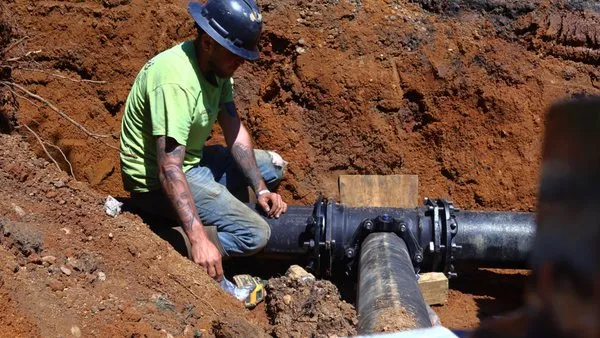
KE Seifert, Inc. is a trusted plumbing and HVAC contractor with deep roots in the Langhorne community. Our journey began in 1981 with drain cleaning services for Bucks County. By 1983, we had expanded...
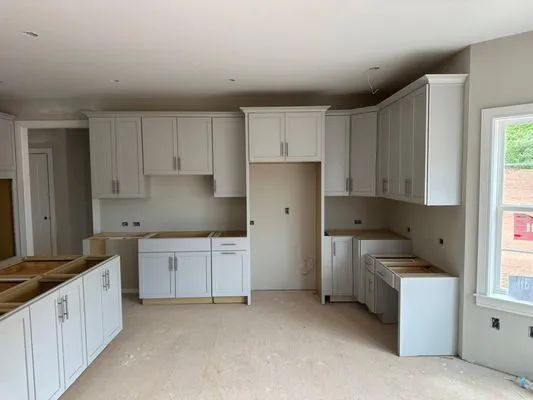
KLL Home Improvements, based in Stroudsburg, PA, is a family-owned contractor founded over a decade ago on a passion for blending design and functionality. Specializing in kitchen and bathroom remodel...

Al's Plumbing has been serving Southampton, PA, and the surrounding communities with reliable plumbing solutions for years. As a locally owned and operated business, we understand the unique plumbing ...
HQC Plumbing Heating Cooling
HQC Plumbing Heating Cooling is a licensed and fully insured Philadelphia-based company specializing in comprehensive plumbing, heating, and cooling services. We provide free estimates and guarantee c...
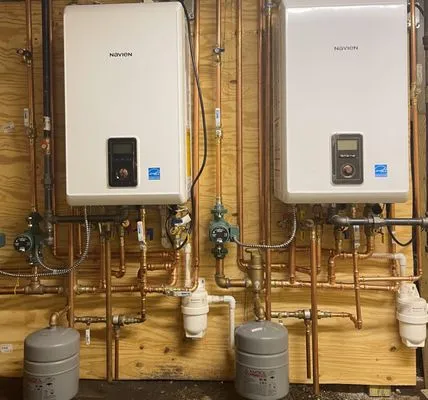
M&A Plumbing and Heating
For over a decade, M&A Plumbing and Heating has been a trusted name in Jersey City, built on a foundation of honesty, care, and reliability. Driven by owner Danny's commitment to customer satisfaction...
Service Tech Plumbing Heating &Cooling
Service Tech Plumbing Heating & Cooling is a trusted, locally-owned company serving Sayreville and surrounding areas. Founded in 2014 by master licensed plumber and HVAC technician Denis Cekic, our te...
Binsky Home Service
Binsky Home Service is a family-owned home service provider serving Somerset, NJ, and surrounding communities with over 85 years of combined experience. Founded and operated by fourth-generation owner...

GP Mechanical
At GP Mechanical in Newark, NJ, we provide reliable plumbing, HVAC, and home improvement services tailored to the unique needs of your home. Our experienced team approaches every job, from emergency r...
Ace Plumbing and Heating
Ace Plumbing and Heating is your trusted, full-service plumbing and HVAC specialist serving Jamesburg, NJ, and the surrounding communities. We understand the unique challenges homeowners face here, fr...
Flow Pros
Flow Pros is a trusted plumbing and HVAC service provider serving East Brunswick, NJ, and surrounding areas. With expertise in everything from routine maintenance to emergency repairs, we help homeown...
Estimated Plumbing Costs in Avon by the Sea, NJ
Frequently Asked Questions
What permits are needed for a repipe in Avon by the Sea, and who handles that?
Any repipe requires a permit from the Avon-by-the-Sea Building Department. As a Master Plumber licensed by the New Jersey State Board of Examiners, I pull all necessary permits, schedule inspections, and ensure the work meets code. My credential means I handle the red tape so you don't have to, and the work is certified for your property records.
Why do I keep getting pinhole leaks in my old pipes?
Pinhole leaks are a signature failure of aged galvanized steel. After decades, internal corrosion creates weak spots that eventually perforate. In a 1948 system, this is often accelerated where pipes were threaded, as the protective zinc coating was cut away. The leaks typically start in hidden areas like ceilings or walls before becoming visible.
Does our local water from the Manasquan River damage appliances?
The water here is hard, meaning it has a high mineral content. Over time, this causes limescale to build up inside appliances and fixtures. Water heaters are especially vulnerable; scale accumulation on the heating elements reduces efficiency and can lead to premature tank failure. We recommend installing a whole-house water softener to protect your plumbing investment.
How quickly can a plumber get to my home in Avon if I have a leak?
A typical dispatch route from our local shop has us heading past Avon Pavilion onto Route 71. For calls in the borough, that's usually a 20 to 30 minute response. We prioritize emergencies and keep trucks stocked with common repair parts for the area's older infrastructure to minimize delay once on site.
My house in Avon by the Sea was built in 1948. What should I be watching for with my plumbing?
Galvanized steel pipes from 1948 are now 78 years old. In the Ocean Avenue District, we routinely see pipes at this age failing internally from rust and mineral scale buildup. The most common signs are low water pressure from a restricted interior diameter, followed by discolored, rusty water. Complete blockages or leaks at the joints often follow, requiring full repiping to resolve the systemic issue.
Could the slope of my property near the coast be causing drainage issues?
The coastal terrain here has a natural slope toward the ocean. This can put lateral stress on your main sewer line over decades, potentially causing joints to separate or the line to sag. Around areas like Avon Pavilion, we often find that stormwater runoff can also exacerbate soil erosion around buried pipes, leading to settling and blockages.
What's one thing I should do every spring to avoid a plumbing disaster?
Before the spring thaw hits its peak, shut off and drain your exterior hose bibs from inside the house. A pro-tip for our temperate climate is to do this even if you have frost-free spigots, as older ones can fail. Water trapped in the line can freeze when overnight temps still dip near 25 degrees, causing the pipe to burst inside your wall.
As a suburban homeowner, what should I know about my main sewer connection?
Your home connects to the municipal sewer via a private lateral line. In a suburban setting like ours, the most frequent issue is root intrusion from mature trees seeking moisture. Roots can enter at pipe joints and cause complete blockages. Having the lateral camera-inspected every few years is the most reliable way to catch this before it causes a backup into your home.
