Top Emergency Plumbers in Andover Township, NJ, 07821 | Compare & Call

There are 236 plumbing companies server in Andover Township NJ

Elek Plumbing has been serving Allentown and the Lehigh Valley since 1913, when Hungarian immigrant William Elek Senior founded the business in Bethlehem. Now in its third generation of family ownersh...
My journey in hands-on repair started young, right in the basement of my childhood home. At age eleven, I found some wire and an outlet on my dad's workbench and decided to install it myself. I manage...
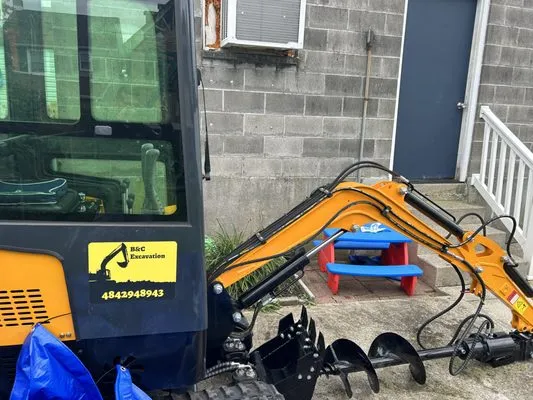
B&C Excavation is a family-owned and operated business proudly serving Allentown and the Lehigh Valley. Our foundation is built on over 20 years of combined experience, including 8 years of service wi...
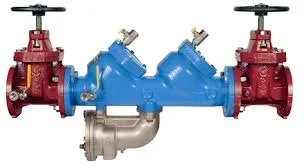
WaterBoyz Backflow Testing and Repairs LLC is a trusted local plumbing service in Allentown, PA, specializing in backflow assembly testing, maintenance, and repairs. Our expert technicians ensure your...

Tri Zone Mechanical is a trusted Stroudsburg-based service provider with deep roots in the community. Starting with car air conditioner recharging and budget-friendly services, we've grown into a comp...
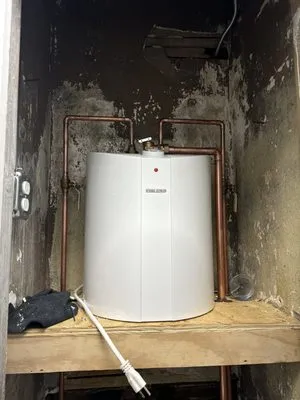
Lamoreaux Plumbing is a trusted local plumbing service dedicated to Bethlehem, PA, and the surrounding communities. We approach every project, from a simple faucet repair to a complete sewer line repl...
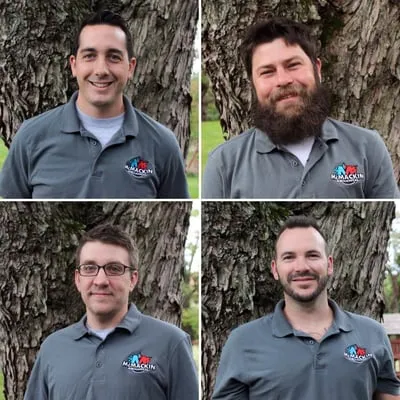
McMackin Mechanical
McMackin Mechanical is a trusted plumbing and HVAC company serving Doylestown, PA, and the surrounding Bucks County area. With over 25 years of combined experience, our dedicated team focuses on provi...
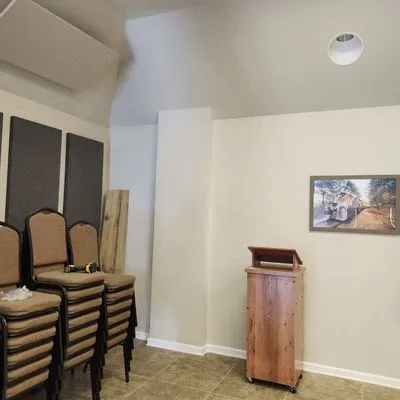
Billy Fix-It-All Handyman provides reliable home repair services for the Hawley community and surrounding counties. With over two decades of experience, we specialize in solving everyday household pro...
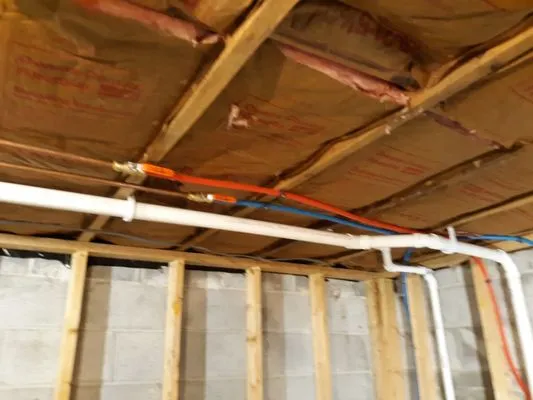
John's Plumbing & Drain Cleaning has been serving Dunmore and surrounding areas since 1980, providing reliable plumbing solutions for over 30 years. Founded by John, a Master Plumber who graduated fro...
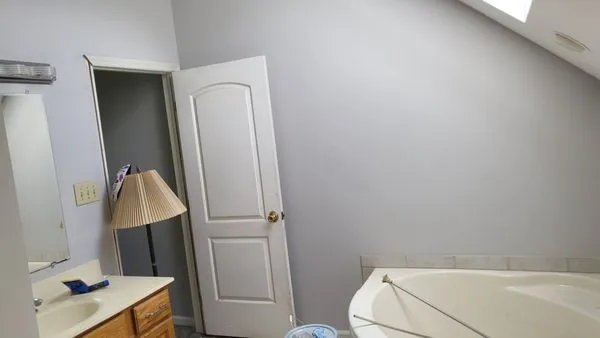
Winship Home Owner Services is a trusted Berwick-based provider of comprehensive home maintenance solutions, specializing in plumbing, carpentry, and lawn care. Serving the local community, we address...
Estimated Plumbing Costs in Andover Township, NJ
Frequently Asked Questions
Do I need a permit from the township to replace my water heater?
Yes, most plumbing replacements in Andover Township require a permit and inspection from the Building Department. As a New Jersey State Board licensed Master Plumber, I handle pulling the permit, scheduling the inspection, and ensuring the work meets all code requirements for your safety and insurance. My license means I'm accountable for the work, so you don't have to navigate the red tape yourself.
Are plumbing problems different in a suburban area like Andover versus a city?
The suburban setting defines two key aspects. First, you are responsible for the entire system from the well or pressure tank to the septic field or lateral connection to the main, which are often long runs. Second, while you avoid municipal water pressure fluctuations, you must manage your own well pump and pressure tank. Tree roots seeking your septic field or a leaking lateral line are a frequent issue, as many properties have mature landscaping.
What's the most important thing to do with my plumbing before the Andover winter?
The critical action is to disconnect and drain all outdoor hoses before the first hard freeze, which can see lows around 18°F. A forgotten hose traps water in the bib, freezing and cracking the pipe inside your wall. For the spring thaw, ensure your basement sump pump is operational, as rapid snowmelt is the most common cause of water intrusion here. These two simple, seasonal checks prevent the majority of climate-related calls we get.
My Andover Village home was built in the late 1970s. What kind of plumbing issues should I expect now?
Your copper plumbing is about 48 years old, which is a typical lifespan for this material in our area. Many homeowners in Andover Village are now seeing the cumulative effects of decades of water chemistry. This often presents as persistent pinhole leaks, especially at solder joints and elbows, or a noticeable drop in water pressure from internal scale buildup. It's a predictable stage of wear, not a sudden failure, but it does signal that a proactive assessment of your system is warranted.
Why do my copper pipes keep springing small leaks?
This is a classic failure mode for 1978-era copper systems. The primary culprit is often localized pitting corrosion, which creates pinhole leaks. Over nearly five decades, the protective inner oxide layer of the copper can break down, particularly in areas with turbulent water flow or where the pipe was stressed during installation. Replacing a short section might not be a permanent fix, as the surrounding pipe is often in a similar weakened state.
Does having a private well affect my home's plumbing appliances?
Yes, significantly. Untreated well water here is often acidic and corrosive, which attacks metal components directly. You'll see this most acutely in water heaters, where the anode rod depletes rapidly, leaving the tank vulnerable to rust. Fixtures and valves can also corrode from the inside, leading to premature failure. Installing and maintaining a properly sized acid neutralizer or other treatment system is not just for water quality—it's a direct investment in protecting your plumbing hardware.
How quickly can a plumber get to a house in Andover Township during an emergency?
From the Kittatinny Valley area, a common dispatch route heads up US Route 206. That drive is usually 45 to 60 minutes depending on traffic and your specific location off the main road. We factor in this travel time when giving you an arrival window, so you're not left guessing. Knowing the route helps us plan efficiently to get a truck and the right parts to your door without unnecessary delay.
Could the hilly land around my home be causing plumbing problems?
Absolutely. The slope of the terrain around Kittatinny Valley State Park and throughout the township puts constant, uneven stress on your main sewer line or septic system piping. This can lead to bellies or sags in the line where waste collects, or joints that separate over time. For homes on wells, the hilly landscape also complicates drainage, making proper grading around your foundation essential to avoid water backing up into a basement or crawl space.
