Top Emergency Plumbers in Alloway Township, NJ, 08001 | Compare & Call

There are 236 plumbing companies server in Alloway Township NJ
WJW Plumbing and HVAC is a trusted, full-service company serving Philadelphia and the surrounding area. We specialize in professional plumbing and HVAC installations, from emergency pipe repairs and w...
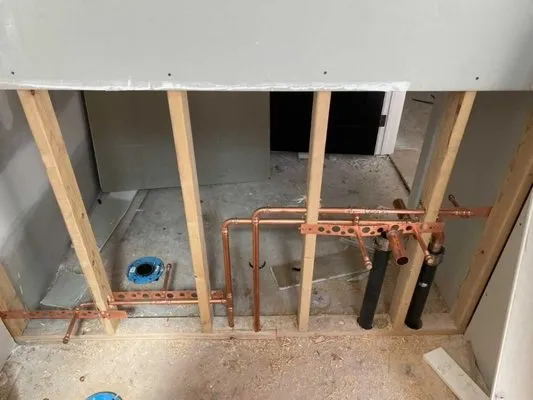
Kcs Plumbing is a trusted, full-service plumbing company serving Philadelphia homeowners. We specialize in addressing the common and disruptive plumbing issues that impact local residences, such as se...
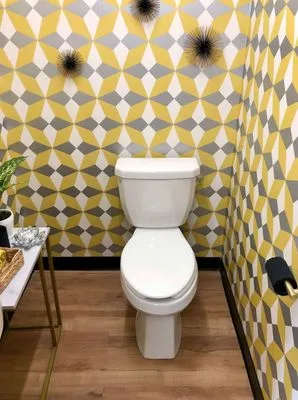
Glenolden Plumbing Services is a locally-owned plumbing business in Philadelphia, PA, founded in 2017 by master plumber Sabrina. With over a decade of experience, Sabrina has built a reputation for re...
Daniels Plumbing & Drain Cleaning
Daniels Plumbing & Drain Cleaning is a trusted, full-service plumbing company serving Southampton, PA, and the surrounding tri-state area. We provide comprehensive solutions for both homes and busines...
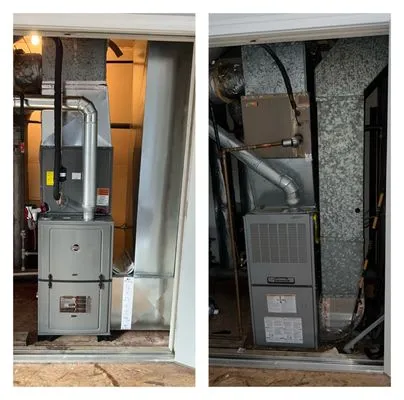
Jackson Mechanical
Jackson Mechanical is a licensed HVAC and plumbing company proudly serving Doylestown, PA, and the surrounding communities. We specialize in the installation, repair, and maintenance of heating, cooli...
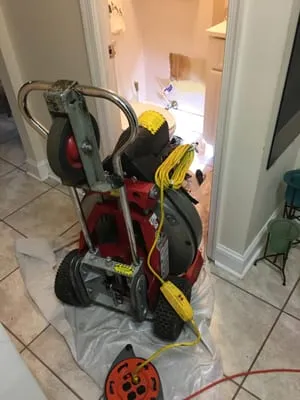
Express Drains is a family-owned plumbing and drain service company based in Warminster, PA, committed to providing honest, efficient service for homes and businesses. We understand the importance of ...
One Worth Service is a Philadelphia-based home service provider specializing in comprehensive residential construction, remodeling, and essential system repairs. Our work spans from bathroom and kitch...
My Favorite Plumber is a Downingtown-based, family-owned plumbing and HVAC company that has been serving our local community since 1989. We specialize in residential plumbing services, from essential ...

Red Dog Restoration serves the Collegeville community by providing essential cleanup and restoration services when homes are impacted by unexpected events. We specialize in biohazard cleanup, damage r...
Pipeline Drain Cleaning
Pipeline Drain Cleaning is a family-run, female-owned plumbing company serving Chester, PA. As an owner-operated business, we provide full-service solutions, from routine maintenance to 24/7 emergency...
Estimated Plumbing Costs in Alloway Township, NJ
Common Questions
What permits and inspections are needed for plumbing work in Alloway Township?
The Alloway Township Construction Office requires permits for most plumbing modifications, especially those involving well or septic systems. As a New Jersey State Board of Examiners licensed Master Plumber, I handle the permit applications, inspections, and compliance paperwork. This includes coordinating with the health department for well and septic work, ensuring all installations meet current codes. Homeowners avoid the red tape while knowing the work meets township requirements.
What spring maintenance prevents plumbing emergencies in Alloway's temperate climate?
Spring thaw creates the highest demand period for Alloway plumbing systems. A pro-tip is to check all exterior hose bibs and irrigation systems before temperatures consistently stay above freezing. Ground shifting from freeze-thaw cycles can stress pipe connections. Also inspect your well pump pressure switch and expansion tank, as increased water usage during spring gardening and cleaning puts additional strain on these components.
What plumbing considerations are unique to rural Alloway Township homes?
Rural properties here combine private wells with septic systems, creating interdependent plumbing systems. Well pump failures immediately affect septic system operation since no water enters the home. Septic backups can indicate well issues or vice versa. The distance between well head, pressure tank, and main house requires careful pressure balancing. Unlike municipal systems, rural plumbing must handle sediment from wells and maintain proper septic tank bacteria levels.
How quickly can a plumber reach my home in Alloway Township during an emergency?
Heading past Alloway Lake on NJ-45 provides the main access route through the township. From that starting point, most homes are within a 45-60 minute response window depending on exact location and traffic conditions. The rural road network means some properties require additional travel time on local roads off NJ-45. We factor this into our dispatch planning to provide accurate arrival estimates.
Does Alloway's acidic well water damage water heaters and fixtures?
Private wells in Alloway Township typically produce acidic water that corrodes plumbing components over time. Water heaters experience accelerated anode rod depletion, often needing replacement every 3-4 years instead of the typical 5-6. Fixtures develop blue-green staining from copper corrosion, and rubber washers in faucets deteriorate faster. The low pH water also increases scale buildup in appliances, reducing efficiency and lifespan.
Why do my 1970s copper pipes keep developing pinhole leaks?
Copper pipes from the early 1970s experience pinhole leaks due to decades of exposure to Alloway's corrosive groundwater. The thin Type M copper commonly used then becomes vulnerable to localized corrosion, especially at solder joints and areas with turbulent water flow. Over 55 years, microscopic imperfections in the copper lining expand into visible leaks. This calcification process accelerates in homes with original plumbing that hasn't been updated.
How does Alloway's low-lying terrain affect my home's drainage and main water line?
The gentle slopes around Alloway Lake mean many properties have minimal natural drainage gradient. This puts constant hydrostatic pressure on main water lines, particularly where they enter foundations. Over decades, this pressure can cause joint separation or cracks in older pipes. During heavy rains, saturated soil around foundations increases the risk of water intrusion through pipe penetrations. Proper grading and French drains help mitigate these terrain-related stresses.
My copper pipes are original to my 1971 Alloway Center home - what should I expect at this age?
Copper pipes installed around 1971 are now 55 years old, which is near the end of their typical lifespan in our area. Homeowners in Alloway Center are seeing increased frequency of pinhole leaks, especially at joints and elbows where corrosion concentrates. The thin-walled copper used in that era wasn't designed for our acidic groundwater conditions over decades. Many neighbors are dealing with small but persistent leaks that gradually damage walls and flooring.
