Top Emergency Plumbers in Washington, NH, 03280 | Compare & Call

There are 87 plumbing companies server in Washington NH

Broco Energy is a veteran-owned, Haverhill-based company founded in 2007 by U.S. Navy Seabee and Massachusetts Fire Captain Robert Brown and his wife, Angela. From its Massachusetts roots, the company...
David M Murphy Plumbing, Heating & Gas Fitting
David M Murphy Plumbing, Heating & Gas Fitting has been a trusted name in Lowell and the Merrimack Valley since 1983. As a Master Plumber and Gas Fitter licensed in both Massachusetts and New Hampshir...
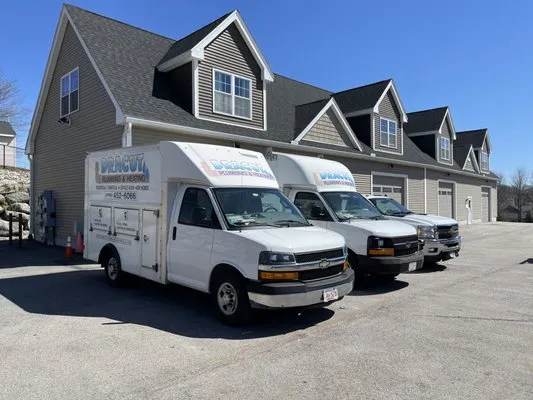
Dracut Plumbing & Heating
For over 30 years, Dracut Plumbing & Heating has been the trusted, family-owned choice for plumbing and heating needs across the Merrimack Valley and Southern New Hampshire. Since 1996, we've built la...
CommTask
CommTask is a dedicated service partner for businesses in Wakefield, MA, focused on keeping commercial and industrial facilities operating without interruption. We provide thorough plumbing inspection...

RJ Morello Inc has been a trusted plumbing provider in the Woburn area since 1989, founded by Roger J Morello with a commitment to quality work and dependable service. As a full-service company, we ha...
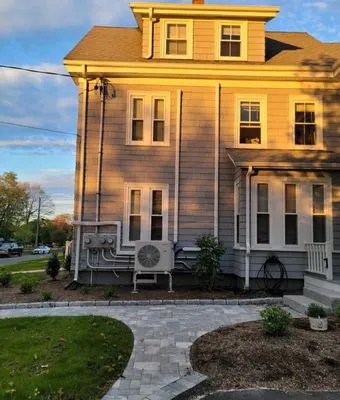
AAA Mechanical is a Westford-based home services company with over 40 years of industry experience. Founded in 2004 by veteran Jeff, the business has grown from a premier HVAC provider into a comprehe...
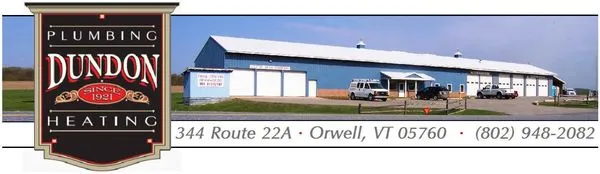
Dundon Plumbing Heating & Portable Restrooms
Dundon Plumbing Heating & Portable Restrooms has been a trusted family-owned business serving Orwell and Vermont's Champlain Valley for over 90 years. With three generations of experience, we provide ...
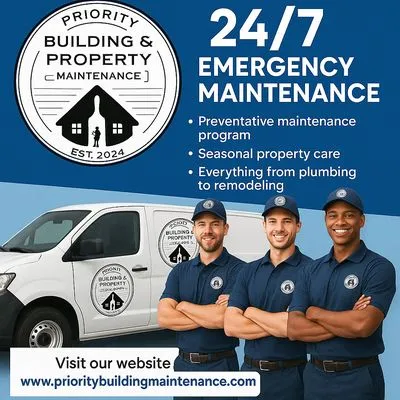
Priority Building & Property Maintenance
Priority Building & Property Maintenance is your trusted, family-owned partner for property care in Springfield, VT. We focus on a preventative approach to maintenance, helping you identify and addres...
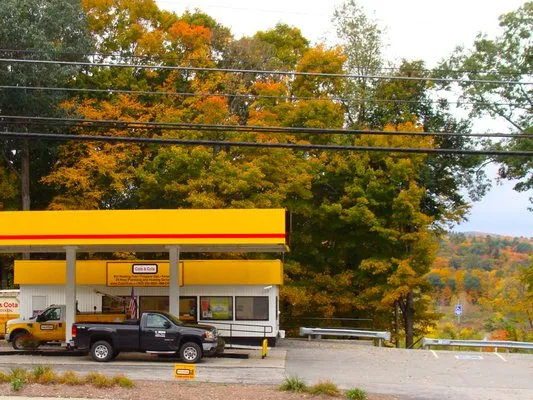
Cota & Cota is a family-owned and operated business serving Brattleboro and the surrounding Vermont and New Hampshire communities for over 75 years. Founded in 1941 by Ken and Helen Cota, the company ...
ARC Mechanical Contractors
ARC Mechanical Contractors has been a trusted name in mechanical services since 1947, when Chet Allen first opened the doors as Allen Refrigeration Company. Renamed in 1987, the company has built a 70...
Estimated Plumbing Costs in Washington, NH
Common Questions
How long does it take for a plumber to get to a house in Washington?
Our standard dispatch route for calls in Washington Center has us heading past Millen Pond on State Route 31. Depending on your exact location off the main road, the travel time is typically 60 to 90 minutes from our initial call. We factor this into our scheduling to provide you with a realistic arrival window.
Who handles the permits for a plumbing job in the Town of Washington?
Any significant repair or installation requires a permit from the Town of Washington Building Department. As a Master Plumber licensed by the New Hampshire Office of Professional Licensure and Certification, I pull all necessary permits, schedule required inspections, and ensure the work meets state and local code. This process handles the regulatory red tape so you do not have to navigate it yourself.
Are there any special plumbing considerations for a rural home in Washington?
Rural properties here integrate two independent systems: the private well and the septic system. Maintenance and repairs must consider both. For instance, a failing pressure tank or well pump affects water delivery, while a clogged drain field impacts waste removal. Understanding the interplay between these systems is key to diagnosing issues that a municipal homeowner would not face.
My copper pipes are from 1985 and I'm in Washington Center. What should I expect now?
Copper piping installed around 1985 is now 41 years old. In Washington, you are likely entering the period where pinhole leaks from internal corrosion become common. These often start at joints and fittings, manifesting as small green stains or damp spots on drywall. Proactive inspection of exposed pipes in basements and crawlspaces can catch these failures before they cause major water damage.
My house is on a hill near Millen Pond. Could that cause plumbing problems?
Hilly terrain places significant static pressure on your main water line from the well. The constant stress can lead to fatigue and eventual failure at connections or where the line enters the home's foundation. Additionally, drainage around foundations on slopes must be managed carefully to prevent water from undermining and potentially stressing buried waste lines.
What's one thing I should do before spring in Washington to avoid a plumbing emergency?
Before the spring thaw hits its peak, disconnect and drain any garden hoses. A hose left connected traps water in the exterior faucet, which can freeze, burst the pipe inside your wall, and then flood when it thaws. This simple act protects your sillcock from a common but entirely preventable freeze event, even in our temperate climate where overnight lows can still dip to 10°F.
Does having a private well in Washington affect my plumbing fixtures?
Yes, private wells often draw water that is acidic and corrosive. This low pH water aggressively attacks the inner lining of copper pipes and the sacrificial anode rod in your water heater. Over time, this leads to accelerated pipe corrosion and can cause your water heater to fail prematurely. Testing your well water's pH is a critical first step for any plumbing longevity plan.
What's the most common plumbing failure in a 1980s home with copper pipes?
For copper systems of this vintage, pinhole leaks are the predominant issue. The copper's protective inner lining can degrade over decades, allowing the pipe wall to thin in specific spots until it perforates. This is often accelerated in our area due to water chemistry. Re-piping affected sections or installing a whole-house water treatment system are the standard corrective actions.
