Top Emergency Plumbers in Wakefield, NH, 03830 | Compare & Call

There are 223 plumbing companies server in Wakefield NH
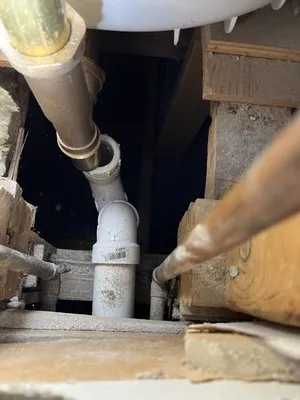
David M Murphy Plumbing, Heating & Gas Fitting
David M Murphy Plumbing, Heating & Gas Fitting has been a trusted name in Lowell and the Merrimack Valley since 1983. As a Master Plumber and Gas Fitter licensed in both Massachusetts and New Hampshir...
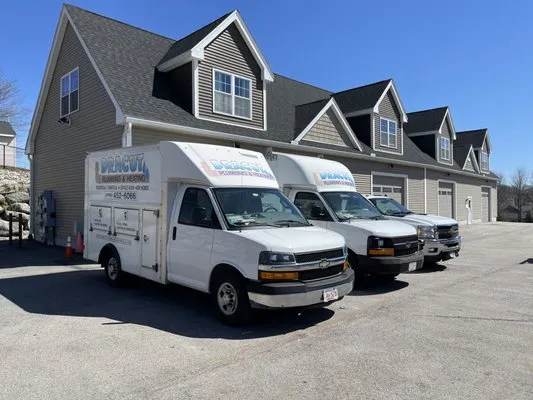
Dracut Plumbing & Heating
For over 30 years, Dracut Plumbing & Heating has been the trusted, family-owned choice for plumbing and heating needs across the Merrimack Valley and Southern New Hampshire. Since 1996, we've built la...
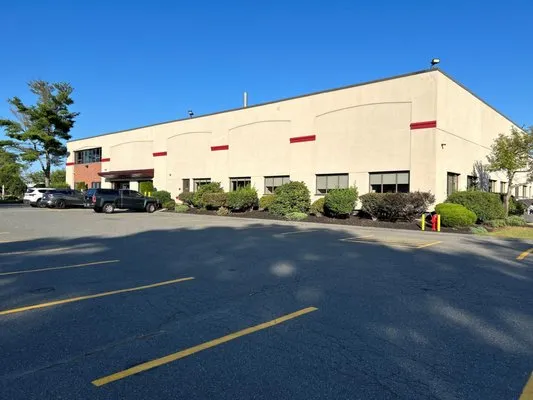
CommTask
CommTask is a dedicated service partner for businesses in Wakefield, MA, focused on keeping commercial and industrial facilities operating without interruption. We provide thorough plumbing inspection...

RJ Morello Inc has been a trusted plumbing provider in the Woburn area since 1989, founded by Roger J Morello with a commitment to quality work and dependable service. As a full-service company, we ha...
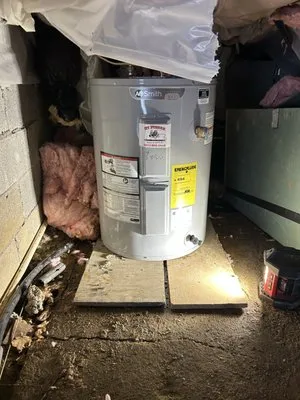
St Pierre Plumbing & Drain Cleaning is a trusted plumbing service provider based in Raymond, New Hampshire, offering comprehensive solutions for residential and commercial plumbing needs. With experti...
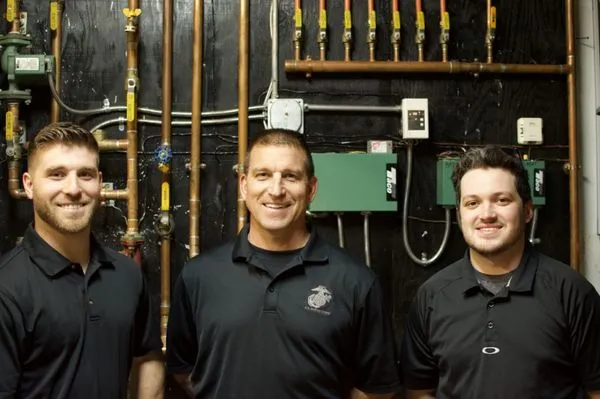
Legendary Plumbing & Heating is a family-owned and operated plumbing, heating, and air conditioning company serving Hooksett, NH, and surrounding areas. Founded in 2020 by owner/operator Eric, a Marin...

SOS Plumbing Solutions is a locally owned and operated plumbing company serving Barrington, NH, and the surrounding communities. With over 24 years of hands-on experience in the trade—from working wit...
Cashman Plumbing and Heating
Cashman Plumbing and Heating is a trusted, family-owned plumbing company that has been serving the Auburn, NH community with reliable service since 2024, backed by the expertise of our original Tyngsb...
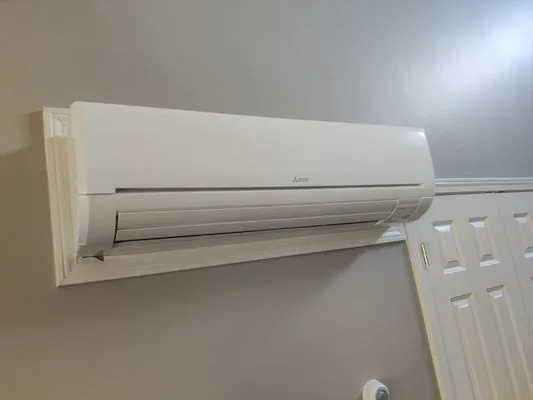
Heritage Home Service
Heritage Home Service is a family-owned and operated business serving Auburn and the surrounding Southern New Hampshire communities since 1986. Founded by brothers Craig and Steve, the company has gro...
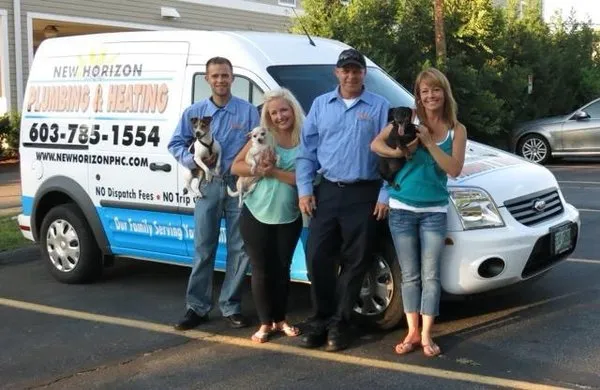
New Horizon Plumbing & Heating
New Horizon Plumbing & Heating is a family-owned plumbing and heating service that has been serving the Seacoast Area of New Hampshire since 1988. With nearly 5,000 customers served, we've built our r...
Estimated Plumbing Costs in Wakefield, NH
Q&A
Why do my copper pipes keep springing pinhole leaks?
Copper installed in 1981 is subject to thinning walls from decades of water flow. In our area, corrosive well water accelerates this wear. The failure is often a pinhole leak caused by a combination of age-related fatigue and localized corrosion. Repairs can be made section by section, but whole-house repiping with newer materials like PEX is a common long-term solution for homes of this vintage.
Does having a private well damage my water heater or fixtures?
Private wells here often draw acidic, corrosive water. That water attacks the anode rod in your water heater aggressively, leading to premature tank failure and sediment buildup. Fixtures can show blue-green staining from copper corrosion. Installing a whole-house acid neutralizer or a powered anode rod are specific countermeasures that protect your hardware from the local water chemistry.
What permits are needed for a repipe or water heater replacement in Wakefield?
Most significant plumbing work requires a permit from the Wakefield Building Department. As a Master Plumber licensed by the New Hampshire Office of Professional Licensure and Certification, I pull those permits, schedule the inspections, and ensure the work meets all state and local codes. My credential means I handle that red tape so you don't have to navigate the paperwork yourself.
Could the hilly land around Great East Lake cause plumbing problems?
Hilly terrain places constant stress on the main water line running from your well to the house. The slope can cause settling or shifting, which may strain pipe joints or connections. For properties near the lake, drainage is also a factor; improper grading can lead to water pooling around foundation drains or the septic field, which you want to avoid.
How fast can a plumber get to my house near Great East Lake?
My dispatch from the shop typically takes 45 to 60 minutes. Heading past Great East Lake on NH-16, I can reach most homes in the Wakefield area. That travel time is factored into my scheduling, so when I give you a window, it accounts for the rural roads. For urgent leaks, I prioritize that route to get there as directly as possible.
How is plumbing different for a rural house with a well and septic system?
Rural plumbing means you're responsible for the entire system from the well pump to the septic tank. A drop in pressure could signal a failing pump or a leak in the buried line. Clogs have more severe consequences because they can back up into a septic system rather than a city sewer. Maintenance focuses on the well equipment, pressure tank, and being mindful of what goes down the drains to protect the septic field.
Our house was built in the early 80s. Should I be worried about my plumbing?
Homes built around 1981 now have copper pipes approaching 45 years old. In Wakefield and Sanbornville, we're seeing the expected lifespan of that original copper expire. The typical failure mode at this age is pinhole leaks, often starting in hot water lines. You might notice a small, persistent damp spot on a basement ceiling or a minor drop in water pressure before a major leak develops.
What's the most important thing to do with my plumbing before spring?
Before the spring thaw hits its peak, disconnect any garden hoses. A hose left attached traps water in the bib, which can freeze and burst the pipe inside your wall. Our lows around 10°F make this a real risk. It's a simple, two-minute task that prevents one of the most common and costly calls I get during the temperature swings of a temperate New Hampshire spring.
