Top Emergency Plumbers in Troy, NH, 03465 | Compare & Call

There are 19 plumbing companies server in Troy NH

Rodriguez Plumbing And Heating is a local, family-operated business owned by a dedicated plumber who takes immense pride in his work. As a family man himself, he understands the importance of a safe a...
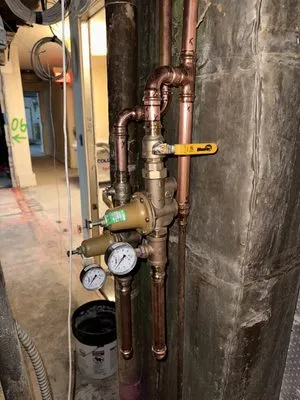
CJS Mechanical is a trusted plumbing service in Gardner, MA, founded by Licensed Plumber Cody James and his two business partners. With years of experience in both residential and commercial work, our...

Flores HVAC Services
Flores HVAC Services has been serving the Leominster, MA community for years, providing reliable heating, cooling, and plumbing solutions. We specialize in comprehensive HVAC services, from installati...
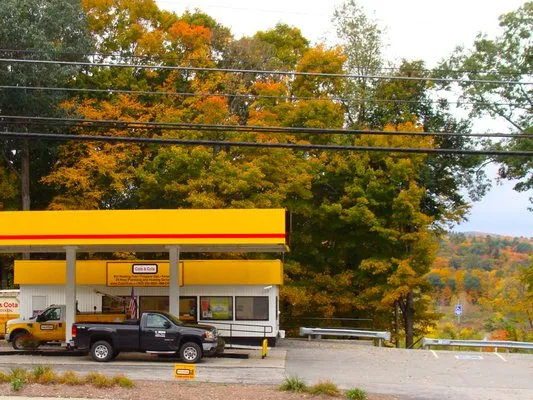
Cota & Cota is a family-owned and operated business serving Brattleboro and the surrounding Vermont and New Hampshire communities for over 75 years. Founded in 1941 by Ken and Helen Cota, the company ...
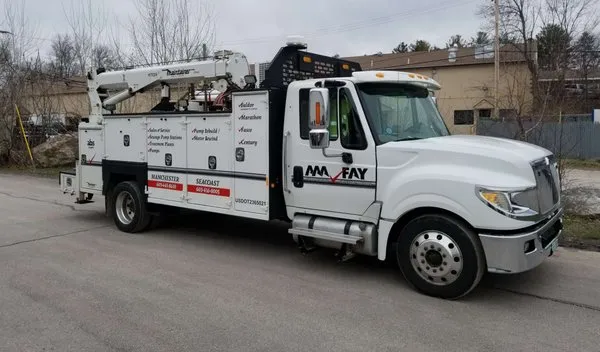
AAA Pump Service & Fay Electric Motors has been a trusted provider in Manchester, NH, and surrounding areas for over 25 years. As a fully licensed pump service company, we specialize in comprehensive ...
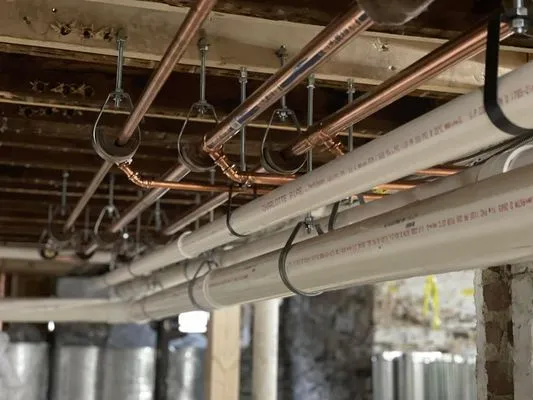
Boucher & Sons Plumbing and Heating
Boucher & Sons Plumbing and Heating is a third-generation family business proudly serving Atkinson, NH, and surrounding communities for over 36 years. As a licensed and insured company, we bring decad...
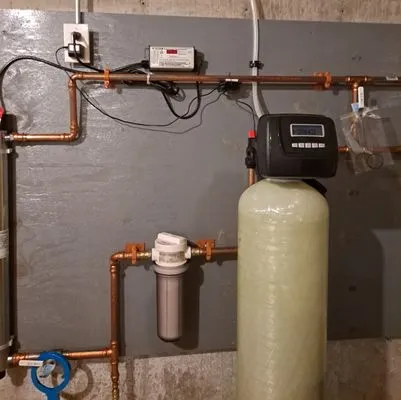
Plumb Luck is a family-owned and operated plumbing and HVAC company serving Wilton, NH, and the surrounding area. Founded by master plumber, gas fitter, and HVAC technician Chris, the business brings ...

Anketell Solutions is a trusted local handyman and repair service based in Merrimack, NH, offering comprehensive solutions for appliance installation and repair, handyman assembly, caulking, cleaning,...
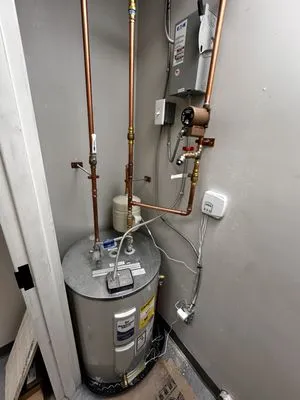
All-Pro Plumbing and Heating
All-Pro Plumbing and Heating is your trusted, full-service plumbing and HVAC company serving Nashua and the surrounding communities. We specialize in a comprehensive range of services, from emergency ...
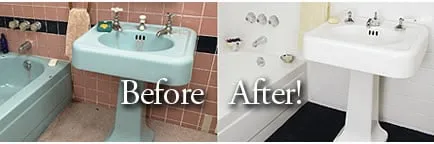
S & S Surface Restoration is a family-owned and operated business serving Allenstown, NH, and surrounding communities since 2006. As the owner, I personally handle every application, ensuring each job...
Estimated Plumbing Costs in Troy, NH
Frequently Asked Questions
Are there different plumbing concerns for a rural home versus a city one?
The rural setting defines your entire system. You manage a private well and a septic system, not a municipal hookup. This means your water pressure is controlled by a pump and pressure tank, and any wastewater issues are contained to your property's leach field. Problems like a failing well pump pressure switch or a saturated septic field are unique to this setting and require specific diagnostic knowledge.
Our water pressure seems low in our older Troy home. Is this common?
That's a very common concern in Town Center right now. Your galvanized steel pipes are now 88 years old. At this age, the interior of the pipe walls accumulates decades of mineral scale and rust, a process called tuberculation. This buildup severely constricts the water's path, much like cholesterol in an artery. It's not just a flow issue; this corrosion is a primary cause of the pinhole leaks we're frequently called to repair in these historic systems.
How quickly can a plumber get to Troy if I have a burst pipe?
Heading past Mount Monadnock on NH-12 is the primary route into Troy. In a true emergency, our dispatch time from that general area is typically 45 to 60 minutes. We factor in the rural nature of the roads and seasonal conditions. For faster service, having a clear access path to your main water shut-off valve and well pressure tank is critical the moment you call.
Does having a private well in Troy affect my home's plumbing?
Yes, significantly. Water from private wells here is often untreated and can be acidic or corrosive. This aggressive water attacks metal components directly, leading to premature failure. We commonly see it corrode the anode rod and tank lining in water heaters, and it rapidly deteriorate the brass stems inside faucets and valves, causing drips and leaks much sooner than with treated municipal water.
Do I need a permit to replace my water heater in Troy?
Yes, the Troy Building Department requires permits for water heater replacements due to the safety and code implications for pressure and venting. As a Master Plumber licensed by the New Hampshire Office of Professional Licensure and Certification, handling that permit process and ensuring the installation meets all state and local code is a standard part of the job. We manage the red tape so you don't have to.
What's one thing I should do each spring to protect my plumbing?
Before the spring thaw hits its peak, make a visual inspection of any exposed pipes in your basement or crawlspace. Look for new condensation or minor drips that weren't there during winter. The freeze-thaw cycle can stress old fittings and reveal small leaks. Catching a seep early prevents the water damage and mold that can follow a week of steady dripping once temperatures consistently rise above freezing.
What is the main plumbing issue in houses built around 1938?
Galvanized steel from that era is at the end of its functional lifespan. The specific failure we see most is joint calcification and pinhole leaks. Threaded joints, where pipes connect, become completely sealed with hard mineral deposits, making any repair a full pipe replacement. Meanwhile, unseen corrosion weakens pipe walls until they spring a pinhole leak, often behind a wall or under a floor.
Could the hilly land around here cause plumbing problems?
The slope of the land, especially around the base of Mount Monadnock, absolutely affects your system. For drainage, it can cause yard drains or septic laterals to hold water. For your supply, the constant gravitational stress on the main water line running from your well to your house can fatigue older pipes and fittings over time. We often find the highest stress points are near the foundation where the line transitions from the hillside.
