Top Emergency Plumbers in South Hooksett, NH, 03104 | Compare & Call

There are 218 plumbing companies server in South Hooksett NH

Denommee Plumbing, HVAC & Electric
Denommee Plumbing, HVAC & Electric is a family-owned, full-service contractor proudly serving Tyngsborough and surrounding communities in eastern Massachusetts and southern New Hampshire. Established ...

Rodriguez Plumbing And Heating is a local, family-operated business owned by a dedicated plumber who takes immense pride in his work. As a family man himself, he understands the importance of a safe a...
Drain-A-Max is a trusted plumbing service in Woburn, MA, specializing in comprehensive solutions for common local plumbing problems. Many Woburn homes face issues like toilet seal leaks and hard water...

Broco Energy is a veteran-owned, Haverhill-based company founded in 2007 by U.S. Navy Seabee and Massachusetts Fire Captain Robert Brown and his wife, Angela. From its Massachusetts roots, the company...

Flores HVAC Services
Flores HVAC Services has been serving the Leominster, MA community for years, providing reliable heating, cooling, and plumbing solutions. We specialize in comprehensive HVAC services, from installati...
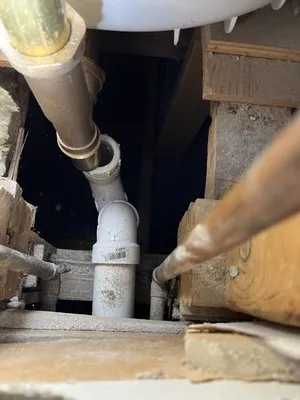
David M Murphy Plumbing, Heating & Gas Fitting
David M Murphy Plumbing, Heating & Gas Fitting has been a trusted name in Lowell and the Merrimack Valley since 1983. As a Master Plumber and Gas Fitter licensed in both Massachusetts and New Hampshir...
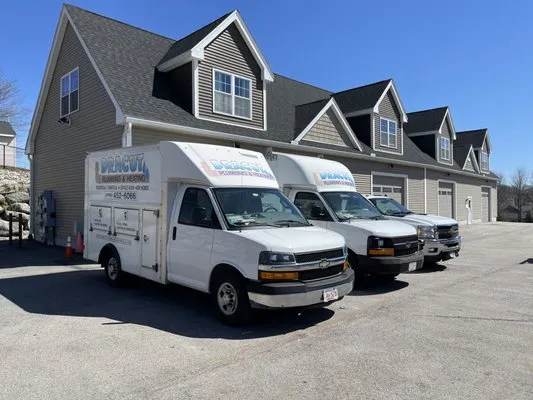
Dracut Plumbing & Heating
For over 30 years, Dracut Plumbing & Heating has been the trusted, family-owned choice for plumbing and heating needs across the Merrimack Valley and Southern New Hampshire. Since 1996, we've built la...
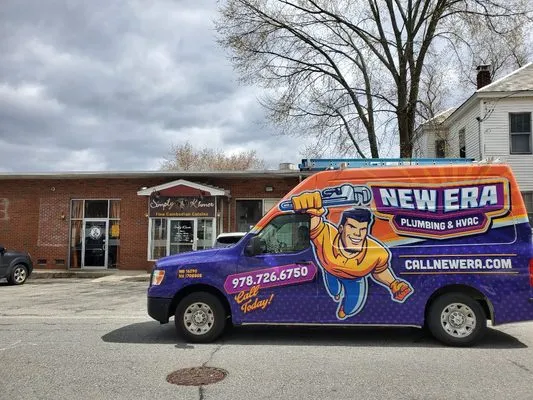
New Era Plumbing & HVAC
New Era Plumbing & HVAC is a family-owned and operated business proudly serving Dracut and the surrounding communities. Founded by Danny, a master plumber born and raised in nearby Lowell, the company...

Sean's Handyman Service, founded by Sean Waight in 2021, is a licensed handyman business serving Amesbury, MA. With four years of experience, Sean brings a passion for craftsmanship and home improveme...
Jeff's Drains is a licensed, Haverhill-based plumbing service specializing in resolving stubborn drain and sewer issues. We operate 24/7 to provide reliable solutions for main sewer line cleaning, clo...
Estimated Plumbing Costs in South Hooksett, NH
Question Answers
Why are my 40-year-old copper pipes suddenly failing in Hooksett Village?
Copper pipe installed around 1983 is now over 40 years old. At this age, the natural corrosion process has progressed significantly, and we're seeing widespread issues in South Hooksett homes. The pipe walls thin from the inside out, leading to clusters of pinhole leaks, especially at joints and elbows. This isn't random failure; it's the predictable lifespan of plumbing from that specific construction era.
What causes pinhole leaks in copper pipes from the 1980s?
Copper pipes from the early 80s often develop pinhole leaks due to a combination of age and water chemistry. Over four decades, acidic water slowly erodes the interior pipe wall. This corrosion creates localized pits that eventually penetrate the copper, causing small, persistent leaks behind walls or under slabs. The joints are particularly vulnerable where solder and flux were applied.
As a suburban homeowner here, what's my biggest plumbing risk?
In this suburban setting with municipal water and sewer, the lateral lines connecting your home to the main are your responsibility. The most common risk is a compromised sewer lateral due to root intrusion or joint failure, which can lead to slow drains or backups. Roots seek the water and nutrients in these pipes, especially older ones with porous joints, requiring regular camera inspections.
Who handles the permits for a water heater replacement in Hooksett?
The Hooksett Building Department requires permits for water heater replacements, and all work must be performed by a plumber licensed by the New Hampshire Office of Professional Licensure and Certification. I handle that red tape so you don't have to. This ensures the installation meets current state and local codes for safety and energy efficiency, which is crucial for insurance and home sale compliance.
What should I do to prepare my plumbing for a New Hampshire spring thaw?
The spring thaw following 12-degree lows creates a major stress event for plumbing. Pro-tip: before the ground fully softens, locate and inspect your main water shutoff valve. Ensure it turns freely. Thawing, shifting ground can put lateral pipes under new stress, and a frozen, stuck valve during a sudden leak compounds the emergency. A functional valve is your first defense.
How fast can a plumber get to my house in South Hooksett?
Heading past Bear Brook State Park on I-93 provides a direct route into the South Hooksett and Hooksett Village areas. From there, it's typically a 20-30 minute dispatch to most local addresses. Knowing the back roads off Exit 9 and 10 helps avoid any seasonal traffic, ensuring a reliable response when you have a water emergency.
Does water from the Merrimack River damage my water heater?
Water sourced from the Merrimack River watershed tends to be acidic and corrosive. This accelerates scale buildup and corrosion inside your water heater's tank and on its anode rod. The rod sacrifices itself to protect the tank, but in our water, it depletes faster. Without timely replacement, the tank lining corrodes, leading to premature failure and sediment that reduces efficiency.
Can the hilly terrain around here cause plumbing problems?
Yes, the hilly slopes common around Bear Brook State Park and South Hooksett directly impact drainage and pipe stress. A home's main sewer lateral or water service line running down a slope can experience ground settlement over time. This puts stress on pipe joints, potentially causing separation or cracks. Proper grading and secure bedding for these lines are critical to prevent long-term issues.
