Top Emergency Plumbers in Plymouth, NH, 03264 | Compare & Call

There are 25 plumbing companies server in Plymouth NH
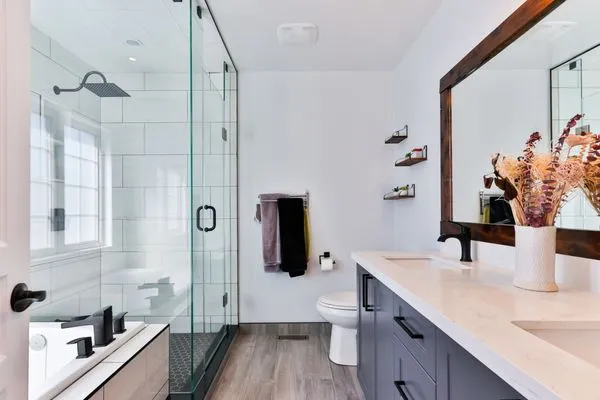
Gallant Plumbing Services LLC is a locally owned and operated plumbing company serving Sandown and the surrounding communities. With over 40 years of combined experience, we are equipped to handle eve...

For over 15 years, Bruce Beauchemin Plumbing has been a trusted, family-operated plumbing service for Manchester, NH, and surrounding areas. We understand the unique plumbing challenges in our region,...
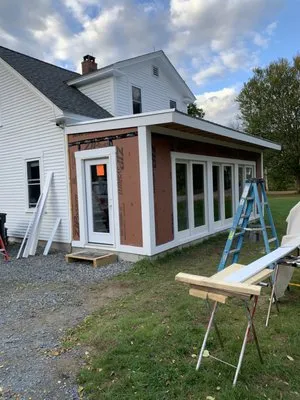
Thompson is a trusted, multi-skilled handyman and renovation expert serving Manchester, NH, with over 30 years of experience. The trade was passed down through a family of master carpenters, and that ...
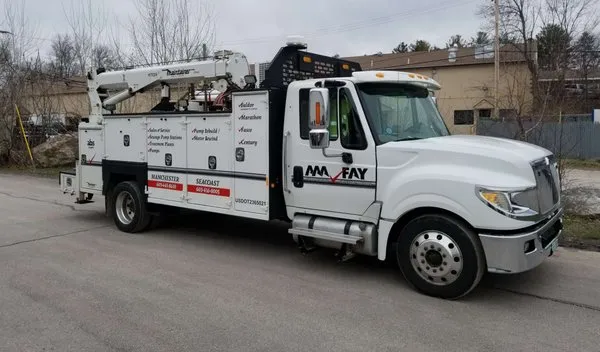
AAA Pump Service & Fay Electric Motors has been a trusted provider in Manchester, NH, and surrounding areas for over 25 years. As a fully licensed pump service company, we specialize in comprehensive ...
Mr. Rooter Plumbing of Greater New Hampshire
Mr. Rooter Plumbing of Greater New Hampshire, based in Bow, is your locally owned and operated plumbing partner, serving communities across the Greater Manchester and Concord region. Built on a founda...
C.R. Tremblay Plumbing & Heating
C.R. Tremblay Plumbing & Heating is a third-generation family business serving Weare, NH, and surrounding areas since 1983. With over 30 years of experience, we've built trusted relationships with cus...
Henniker Sewer & Drain
Henniker Sewer & Drain is your trusted local expert for all sewer, drain, and septic system needs in Henniker and the surrounding region. With over three decades of combined experience, our team speci...
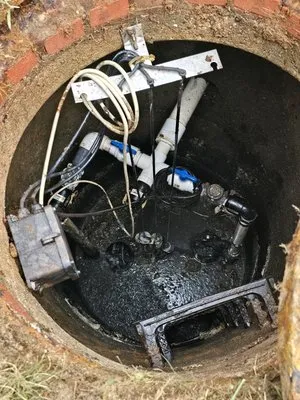
Backroad Plumbing & Drain Cleaning has been serving Nottingham, NH, for over a decade, specializing in comprehensive plumbing and septic solutions. Founded by an experienced professional who started i...
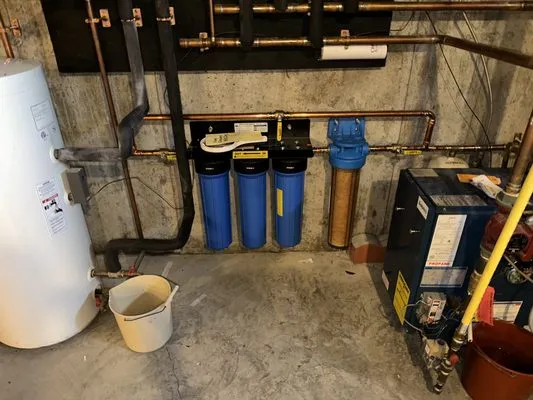
Bubs Plumbing and Heating
Bubs Plumbing and Heating is a locally owned and operated plumbing service proudly serving Canaan, NH, and the surrounding communities in New Hampshire and Massachusetts. We are a fully licensed and i...
Pipe Dreams Plumbing
Born and raised in New Hampshire, the owner of Pipe Dreams Plumbing + Heating has a deep appreciation for the local outdoors, from skiing to fishing. This connection to the community fuels a genuine p...
Estimated Plumbing Costs in Plymouth, NH
Question Answers
Does Pemigewasset River water damage my plumbing fixtures?
Water from the Pemigewasset River tends toward acidic and corrosive properties that accelerate fixture deterioration. This affects water heater elements and anode rods, causing premature failure. Fixtures show pitting and blue-green staining from copper corrosion. Installing whole-house neutralizers or using dielectric unions between dissimilar metals helps mitigate this specific Plymouth water chemistry issue.
Who handles permits for plumbing work in Plymouth?
I coordinate directly with Plymouth Town Planning and Development for all required permits. My New Hampshire Office of Professional Licensure and Certification credentials ensure work meets state code. This includes septic system approvals, well modifications, and any structural plumbing changes. Handling this red tape means homeowners avoid bureaucratic delays and potential compliance issues.
Why does my home near Plymouth State University have drainage issues?
Hilly slopes around the university create uneven pressure on main sewer lines. Gravity pulls wastewater downhill, but uphill sections rely on proper pitch and cleanouts. Soil erosion from runoff can expose pipes to freeze damage. We often find that homes on steeper grades need more frequent drain cleaning and camera inspections to prevent backups from sediment accumulation.
How quickly can a plumber reach my home in Plymouth?
Heading past Plymouth State University on I-93, our dispatch route covers most of Plymouth within 45-60 minutes. We prioritize emergency calls during peak demand periods like spring thaw. Traffic around the university can add minutes during class changes, but we know the back roads to maintain response times. This routing ensures we reach homes throughout the hilly terrain efficiently.
What plumbing concerns are unique to rural Plymouth properties?
Rural Plymouth homes typically have private wells and septic systems rather than municipal connections. Well pumps need regular maintenance to handle the area's hard water. Septic fields require proper grading on hilly terrain to function effectively. Pressure tanks should be checked annually, as the combination of well water and older copper pipes accelerates corrosion issues.
Why are my copper pipes failing now in my Plymouth home?
Copper plumbing installed around 1968 is now 58 years old. Homeowners in Downtown Plymouth are seeing pinhole leaks and joint failures as the pipes reach the end of their typical 50-60 year lifespan. Scale buildup from decades of use has thinned the pipe walls, making them vulnerable to pressure fluctuations. This aging infrastructure often shows up as small leaks behind walls or under sinks that gradually worsen.
How do I prepare my plumbing for Plymouth's cold winters?
With lows hitting 8°F in this Snow Belt region, insulate pipes in unheated crawl spaces before November. During spring thaw, check for foundation cracks where melting snow can infiltrate. Keep cabinet doors open on cold nights to allow warm air circulation around pipes. These proactive measures prevent the freeze-thaw cycles that cause most winter plumbing emergencies in Plymouth.
What causes those tiny leaks in older copper pipes?
Pinhole leaks develop in 1968-era copper due to electrolytic corrosion between dissimilar metals and acidic water. Joint calcification from mineral deposits creates weak points where pipes connect. Over 58 years, these factors thin the copper until small perforations appear. We often find these leaks near fixtures where water velocity changes direction, creating turbulence that accelerates wear.
