Top Emergency Plumbers in New London, NH, 03233 | Compare & Call

There are 52 plumbing companies server in New London NH
CommTask
CommTask is a dedicated service partner for businesses in Wakefield, MA, focused on keeping commercial and industrial facilities operating without interruption. We provide thorough plumbing inspection...

Priority Building & Property Maintenance
Priority Building & Property Maintenance is your trusted, family-owned partner for property care in Springfield, VT. We focus on a preventative approach to maintenance, helping you identify and addres...
Cashman Plumbing and Heating
Cashman Plumbing and Heating is a trusted, family-owned plumbing company that has been serving the Auburn, NH community with reliable service since 2024, backed by the expertise of our original Tyngsb...

At All Trades Mechanical in Manchester, NH, we believe quality service starts with genuine care for our neighbors. We're a team of skilled technicians dedicated to solving your home's mechanical issue...

Queen City Plumbing & Heating
Queen City Plumbing & Heating has been serving Manchester, NH, and surrounding communities since 1963. As a licensed plumbing and heating company, we provide reliable residential and commercial servic...

Savoie Plumbing & Heating has been serving Manchester, NH since 1990, founded to provide reliable service during challenging times. We prioritize customer needs above all else, offering reasonable pri...
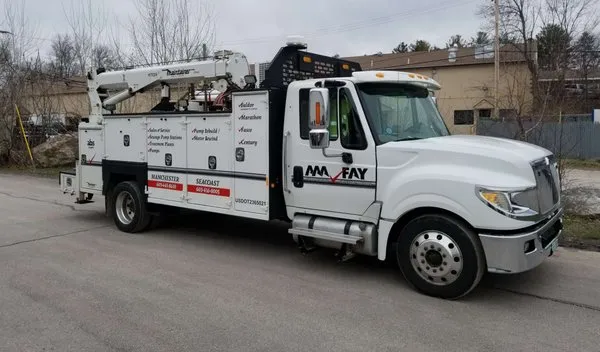
AAA Pump Service & Fay Electric Motors has been a trusted provider in Manchester, NH, and surrounding areas for over 25 years. As a fully licensed pump service company, we specialize in comprehensive ...
Aqua Tech Plumbing and Heating is your trusted local partner for comprehensive plumbing, heating, and cooling services in Farmington, NH. We are the plumbers you can rely on for all installations, rep...
BPL Heating and Air Conditioning
BPL Heating and Air Conditioning is a trusted, licensed provider serving North Sutton and surrounding New Hampshire towns. We offer comprehensive solutions for home comfort and plumbing, specializing ...

Brady Plumbing & HVAC
Brady Plumbing & HVAC is a veteran-owned, family-run business serving Warner and the greater New Hampshire area. Owner Terrence Brady began his plumbing career over two decades ago, training under ski...
Estimated Plumbing Costs in New London, NH
Frequently Asked Questions
Could the hilly landscape around Lake Sunapee affect my home's drainage or sewer line?
Hilly terrain places constant stress on main sewer lines through soil shifting and gravity loads. Downslope properties often deal with drainage issues where water pools near foundations during heavy rain or snowmelt. Sewer lines on slopes can develop bellies or misalignments over time, leading to clogs or backups. Proper grading and periodic camera inspections help identify problems before they cause interior damage.
How quickly can a plumber reach my home in New London from the surrounding area?
Heading past Lake Sunapee on I-89, the dispatch route brings us into New London within 45-60 minutes. This covers most calls from the lake communities and towns along the interstate corridor. We factor in seasonal traffic and weather, but that timeframe holds for standard emergencies. For urgent issues like burst pipes, we prioritize routing to minimize delays.
Does well water in New London damage plumbing fixtures or water heaters?
Private wells here often draw acidic, corrosive water that accelerates wear on plumbing components. Water heaters experience faster anode rod depletion, leaving tanks vulnerable to rust. Fixtures like faucets and valves develop pitting and mineral deposits that shorten their lifespan. Installing a whole-house neutralizer or using dielectric unions can mitigate some effects, but regular maintenance becomes essential.
What permits or regulations apply to plumbing work in New London?
The New London Building Department requires permits for most plumbing modifications, including repiping and fixture replacements. As a master plumber licensed through the New Hampshire Office of Professional Licensure and Certification, I handle the red tape so you don't have to. This includes submitting plans, scheduling inspections, and ensuring all work meets state and local codes. Proper documentation protects your investment and avoids compliance issues.
Are there special plumbing considerations for rural homes in the New London area?
Rural properties with private wells and septic systems require integrated maintenance. Well pumps and pressure tanks need regular checks to ensure consistent water delivery. Septic systems should be inspected every 3-5 years to prevent backups that can damage drain lines. Unlike municipal systems, homeowners bear full responsibility for both supply and waste management, making proactive care more important.
My house in the Main Street Historic District was built around 1958. What should I expect from my plumbing now?
Galvanized steel pipes installed in 1958 are now 68 years old. In the historic district, homeowners are seeing widespread rust buildup inside pipes, which restricts water flow to a trickle in some fixtures. The steel has likely thinned significantly, making pinhole leaks common in basements and crawlspaces. Many properties are reaching the point where partial or full repiping becomes necessary to maintain reliable water pressure.
What's the best way to prepare my plumbing for New London winters?
With lows around 10°F and heavy snowmelt during spring thaw, insulating exposed pipes in crawlspaces and attics is critical. Drain outdoor spigots before the first freeze and keep cabinet doors open to let warm air circulate around interior pipes. Monitor for ice dams that can back water into walls. A pro-tip: schedule a pre-winter inspection to identify vulnerable lines before temperatures drop.
Why do my older home's pipes keep developing small leaks?
Galvanized steel pipes from the late 1950s suffer from internal corrosion that eats away at the metal over decades. This creates pinhole leaks where water seeps through thin spots, often appearing first at joints or fittings. The corrosion also causes scale buildup that restricts flow and can lead to sudden failures. In many New London homes, this manifests as damp spots on basement walls or ceilings.
