Top Emergency Plumbers in Lyme, NH, 03768 | Compare & Call

There are 104 plumbing companies server in Lyme NH
CommTask
CommTask is a dedicated service partner for businesses in Wakefield, MA, focused on keeping commercial and industrial facilities operating without interruption. We provide thorough plumbing inspection...

RJ Morello Inc has been a trusted plumbing provider in the Woburn area since 1989, founded by Roger J Morello with a commitment to quality work and dependable service. As a full-service company, we ha...
Frosty Sewer and Drain Service Repair is a trusted, locally-owned plumbing company serving South Burlington, VT. We provide comprehensive solutions for everything from routine drain cleaning to comple...
Pipe Dreams Sewer & Drain is a trusted, licensed provider serving Milton, VT, and the surrounding Chittenden County region. We specialize in comprehensive sewer, septic, and drain solutions for both h...
Horizon Plumbing & Heating is your trusted local solution for plumbing and HVAC needs in Williamstown, Vermont. We specialize in diagnosing and fixing common local problems like persistent pipe joint ...
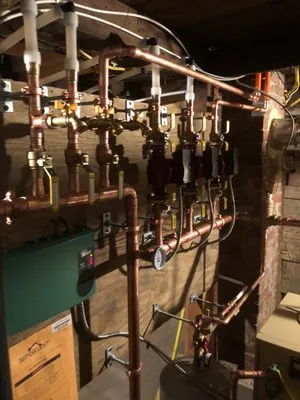
Merrill Mechanical is a family-owned mechanical company serving Bethel, VT, and surrounding areas since 2006. Founded by Justin Merrill, who brings decades of plumbing experience from Boston and Orego...
BKR Plumbing and Heating
BKR Plumbing and Heating is your locally owned and trusted plumbing partner in Duxbury, VT. With over 25 years of experience, we are a fully licensed and insured team dedicated to providing a better p...
Dundon Plumbing Heating & Portable Restrooms
Dundon Plumbing Heating & Portable Restrooms has been a trusted family-owned business serving Orwell and Vermont's Champlain Valley for over 90 years. With three generations of experience, we provide ...
Hartigan in Montpelier, VT is a family-owned wastewater management company that has been serving the community since 1957. Specializing in septic services, plumbing inspections, and portable toilet re...
EMS Drains is a family-owned and operated plumbing and septic service provider in West Rutland, VT, dedicated to resolving drain, sewer, and septic system issues for local homeowners. We combine a str...
Estimated Plumbing Costs in Lyme, NH
Questions and Answers
Why do my copper pipes keep springing pinhole leaks?
Persistent pinhole leaks in 1968-era copper are usually a sign of type M copper tubing, which has a thinner wall than modern standards. Combined with our corrosive well water, the interior of the pipe erodes unevenly, creating weak spots that eventually perforate. This isn't a bad solder joint; it's a failure of the pipe wall itself, indicating the system's overall condition is declining.
How quickly can a plumber get to a home in Lyme for an emergency?
For a true emergency, my dispatch from the Lyme area typically takes 45 to 60 minutes. The route often involves heading past Lyme Town Common on NH-10, then navigating the local roads off the highway. While that's standard for our rural coverage, I plan for it by keeping a truck stocked with the common parts for 1960s copper systems to minimize return trips.
What permits are needed for a plumbing repair or replacement in Lyme?
Most substantive work requires a permit from the Lyme Building Inspector. As a Master Plumber licensed by the New Hampshire Office of Professional Licensure and Certification, I handle pulling those permits and scheduling the required inspections. This ensures the work meets state code, which is crucial for your safety, insurance, and property value. My credential means I manage that red tape so you don't have to.
Does having a private well in Lyme affect my water heater or appliances?
Yes, significantly. The acidic, corrosive water common in Lyme's private wells attacks the anode rod in your water heater aggressively, causing it to fail years early. Once that rod is gone, the tank itself corrodes. You'll also see blue-green staining on fixtures and premature failure of faucet cartridges. Installing a whole-house acid neutralizer is the standard fix to protect your entire plumbing system and appliances.
Are there special plumbing considerations for a rural Lyme property with a well and septic?
The main consideration is that you are your own water and sewer department. A leak isn't just about water damage; it's wasting your finite well supply and overloading your septic system's drain field. We always check the pressure tank and well pump performance during any service call, as they are the heart of your system, and a septic inspection is wise before any major plumbing renovation.
Could the hilly land around my house be causing plumbing problems?
The hilly terrain around Lyme Town Common absolutely stresses plumbing. The main water line from your well to the house, and the sewer line to the septic tank, are under constant gravitational strain. This can lead to settling, which puts stress on fittings and may cause the main sewer line to develop a belly or low spot where waste collects and eventually causes a blockage.
Our home in Lyme was built around 1968. Should I be worried about the plumbing?
Your copper piping is now 58 years old. In the Lyme area, we're seeing the lifespan of that era's copper run out, with many homes in Lyme Center experiencing repeated pinhole leaks. This isn't a random failure; it's the predictable outcome of decades of acidic water slowly corroding the pipe walls from the inside. The repair cycle often accelerates after hitting the 50-year mark, moving from a single leak to systemic issues throughout the house.
What's the most important spring plumbing maintenance for a Lyme home?
Before the spring thaw hits its peak, check all exterior hose bibs and basement crawl spaces for slow drips or seepage. That seasonal shift from 6-degree lows to repeated freeze-thaw cycles can expose weak joints that contracted over the winter. A pro-tip is to feel for dampness on exposed pipes in the cellar; a small leak during the thaw can become a major issue if ignored.
