Top Emergency Plumbers in Lincoln, NH, 03251 | Compare & Call

There are 238 plumbing companies server in Lincoln NH

The Fix-it Team LLC is your North Granville neighbor for a wide range of home repair and remodeling needs. As a family-run, locally owned business, we take pride in being deeply involved in our commun...
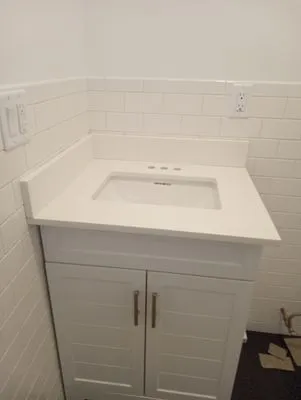
Jax Snow Electric and Construction is a Peru-based contractor serving the North Country with comprehensive electrical, plumbing, and construction services. Our team of certified master electricians an...

Denommee Plumbing, HVAC & Electric
Denommee Plumbing, HVAC & Electric is a family-owned, full-service contractor proudly serving Tyngsborough and surrounding communities in eastern Massachusetts and southern New Hampshire. Established ...

Broco Energy is a veteran-owned, Haverhill-based company founded in 2007 by U.S. Navy Seabee and Massachusetts Fire Captain Robert Brown and his wife, Angela. From its Massachusetts roots, the company...

Sean's Handyman Service, founded by Sean Waight in 2021, is a licensed handyman business serving Amesbury, MA. With four years of experience, Sean brings a passion for craftsmanship and home improveme...
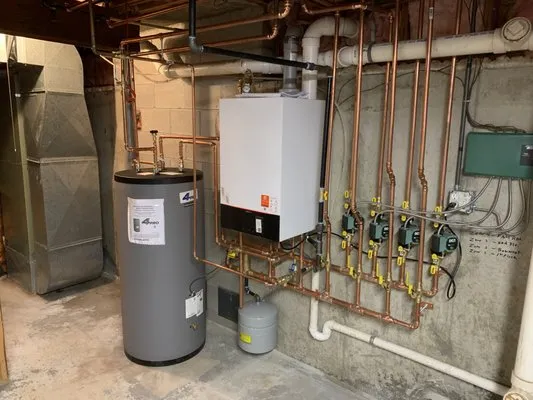
Shawn's Plumbing And Heating
Shawn's Plumbing And Heating is a trusted local plumbing and heating service provider based in North Andover, MA, with over 20 years of experience serving Essex County. Specializing in all aspects of ...
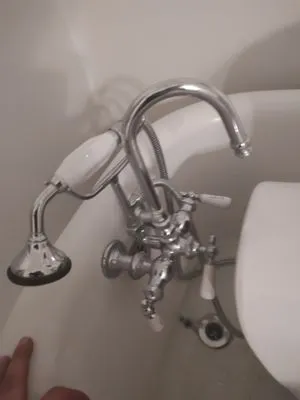
Frosty Sewer and Drain Service Repair is a trusted, locally-owned plumbing company serving South Burlington, VT. We provide comprehensive solutions for everything from routine drain cleaning to comple...
Pipe Dreams Sewer & Drain is a trusted, licensed provider serving Milton, VT, and the surrounding Chittenden County region. We specialize in comprehensive sewer, septic, and drain solutions for both h...
Valor Plumbing is a Bristol-based plumbing service founded by a local professional with over a decade of experience. After serving as a mechanic in the Army, including deployment in Iraq, the owner la...
Benoure Plumbing & Heating
Benoure Plumbing, Heating & Air Conditioning is a family-owned mechanical contractor serving South Burlington and the surrounding Vermont community since 1966. With a team of over 70 licensed professi...
Estimated Plumbing Costs in Lincoln, NH
Question Answers
What's the most important cold-weather plumbing tip for Lincoln?
Before temperatures drop to our typical 6°F lows, shut off and drain the water supply to any exterior hose bibs. Insulate the pipe stub inside the house. The spring thaw is actually a higher-risk period for leaks, as ground shifting from frost heaves can stress already aged pipes and joints. A pro-tip is to check your basement for new drips during the first sustained thaw each March.
Why do my old copper pipes keep springing pinhole leaks?
Copper pipes from the late 1970s, like yours, are prone to pinhole leaks from a process called Type I pitting corrosion. This is an electrochemical reaction between the copper, local water chemistry, and dissolved minerals that creates concentrated pits in the pipe wall. Over 48 years, these pits can penetrate the wall, leading to those small, spraying leaks that often appear on horizontal sections in basements or crawlspaces.
Can the hilly terrain around Loon Mountain cause plumbing problems?
The steep, hilly terrain places significant static pressure on the main water line entering your home from the street. This constant high pressure stresses old valves and fittings and can accelerate leak formation. For homes built on slopes, drainage is also a concern; improper grading can lead to water pooling around foundation walls where the main line enters, promoting exterior corrosion.
How old are the copper pipes in Lincoln homes and what should I expect?
The copper plumbing in Lincoln Village and the surrounding area, installed around 1978, is now 48 years old. At this age, homeowners are frequently calling about pinhole leaks appearing in straight runs of pipe, especially on hot water lines. The thin Type M copper commonly used then is nearing the end of its service life due to decades of water chemistry and pressure cycles. You may notice small, persistent damp spots on drywall or ceilings before a full leak develops.
Does the local river water affect my plumbing fixtures?
Yes, the water sourced from the East Branch Pemigewasset River watershed is naturally soft and acidic. This low pH, corrosive water accelerates the wear on plumbing components. You will see it as blue-green staining on fixtures from copper corrosion and as a shortened lifespan for water heater anode rods, which can be consumed in as little as three years instead of the typical five or more.
Do I need a permit to replace my water heater in Lincoln?
Yes, the Lincoln Building Department requires a permit for water heater replacement. As a New Hampshire licensed master plumber, I pull that permit, schedule the required inspections, and ensure the installation meets all state and local codes. Handling this red tape is part of the job, so you don't have to navigate town hall or worry about paperwork during an installation or major repair.
Are there special plumbing considerations for a rural Lincoln home?
Most homes here are on private wells and septic systems, not municipal water and sewer. This means water pressure is controlled by a well pump and pressure tank, and any sudden loss of pressure could indicate a failing pump or a leak in the buried line from the well. For septic systems, avoiding chemical drain cleaners is critical, as they can kill the necessary bacteria in your tank and lead to drain field failure.
How quickly can a plumber get to my home in Lincoln?
From our shop near Loon Mountain, the dispatch route typically heads south on I-93. This allows for a consistent 45 to 60 minute response window for most calls in Lincoln Village and the Kancamagus corridor, barring major winter weather events on the highway. We factor in the single main arterial road when scheduling to provide accurate arrival times.
