Top Emergency Plumbers in Lempster, NH, 03605 | Compare & Call

There are 87 plumbing companies server in Lempster NH

Broco Energy is a veteran-owned, Haverhill-based company founded in 2007 by U.S. Navy Seabee and Massachusetts Fire Captain Robert Brown and his wife, Angela. From its Massachusetts roots, the company...
CommTask
CommTask is a dedicated service partner for businesses in Wakefield, MA, focused on keeping commercial and industrial facilities operating without interruption. We provide thorough plumbing inspection...
AAA Mechanical is a Westford-based home services company with over 40 years of industry experience. Founded in 2004 by veteran Jeff, the business has grown from a premier HVAC provider into a comprehe...
Dundon Plumbing Heating & Portable Restrooms
Dundon Plumbing Heating & Portable Restrooms has been a trusted family-owned business serving Orwell and Vermont's Champlain Valley for over 90 years. With three generations of experience, we provide ...

Priority Building & Property Maintenance
Priority Building & Property Maintenance is your trusted, family-owned partner for property care in Springfield, VT. We focus on a preventative approach to maintenance, helping you identify and addres...
ARC Mechanical Contractors
ARC Mechanical Contractors has been a trusted name in mechanical services since 1947, when Chet Allen first opened the doors as Allen Refrigeration Company. Renamed in 1987, the company has built a 70...
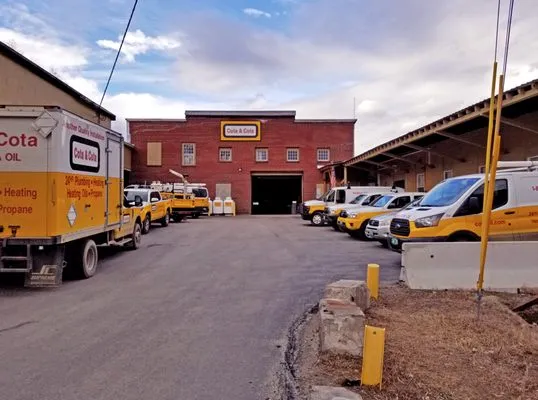
Cota & Cota is a family-owned plumbing and heating business serving Bellows Falls, Vermont, and surrounding areas since 1941. With over 75 years of experience, we provide reliable solutions for bathtu...
Cota & Cota is a family-owned plumbing and heating service based in Bellows Falls, Vermont, with over 75 years of experience serving the local community. Specializing in a comprehensive range of servi...
For over 75 years, Cota & Cota has been the trusted family name for plumbing and heating in Bellows Falls and beyond. Founded in 1941 by Ken and Helen Cota, this Vermont-owned business has grown from ...
Cota & Cota
Cota & Cota is a trusted Vermont family business serving White River Junction and surrounding communities for over 80 years. Founded in 1941 by Ken and Helen Cota, the company has grown from a small g...
Estimated Plumbing Costs in Lempster, NH
Common Questions
Are there special plumbing considerations for a rural Lempster home?
Rural systems here are entirely self-contained. Your private well pump and pressure tank dictate water pressure, not a municipal grid. The septic system's leach field must be protected from any graywater bypass or chemical drain cleaners that can kill the necessary bacteria. Maintenance focuses on the full cycle: from the well pump's foot valve to the septic tank's baffle filter, as there's no city department to call if something fails.
What's the most important spring plumbing task here?
Before the spring thaw hits its peak, disconnect any garden hoses and ensure outside faucets were properly winterized. A hose left connected traps water in the bib, which can freeze and split the pipe inside your basement wall. The rapid temperature swings from an 8-degree night to a 40-degree day during thaw cycles put immense stress on pipes. Checking for leaks at exposed lines in crawlspaces is a good pro-tip for this temperate climate.
How long should copper pipes last in Lempster?
The copper plumbing installed when many Lempster homes were built in 1982 is now 44 years old in 2026. At this age, the protective scale inside the pipe walls has often worn thin, especially with our acidic well water. Homeowners in Lempster Village might start noticing recurrent pinhole leaks, particularly at solder joints or where pipes rub against framing. This isn't a failure of the original installation, but the natural lifespan of the material under local conditions.
Do I need a permit to replace my water heater in Lempster?
Yes, the Town of Lempster Building Department requires a permit for water heater replacement, largely to ensure proper pressure relief valve and expansion tank installation for closed well systems. As a Master Plumber licensed by the New Hampshire Office of Professional Licensure and Certification, I pull that permit, schedule the required inspections, and handle the red tape so you don't have to. This protects your home insurance and ensures the work meets state code.
Does well water damage water heaters?
Private wells in Lempster often draw acidic, corrosive water with low mineral content. This water aggressively attacks the anode rod in your water heater, consuming it rapidly and then attacking the steel tank lining. It also causes blue-green staining on fixtures from dissolved copper. Installing a whole-house acid neutralizer or a powered anode rod can significantly extend the life of your heater and plumbing.
How fast can a plumber get to Lempster Village?
A typical dispatch route from my shop heads past the Lempster Meeting House onto NH-10, which is the main artery through town. Travel time from there to most Village addresses is factored into a standard 45 to 60 minute response window. Knowing the local backroads and driveways is key to hitting that timeframe, especially during mud season or after a heavy snow.
Could my home's hillside location cause plumbing problems?
Hilly terrain, like the slopes around the Lempster Meeting House, directly impacts your system. The main water line from the well and the sewer line to the septic tank are under constant gravitational stress, which can lead to settling and joint separation. Surface water runoff during heavy rains can also saturate the soil around buried pipes, increasing external corrosion and, for waste lines, potentially causing infiltration issues.
Why do my copper pipes keep springing pinhole leaks?
For copper installed around 1982, pinhole leaks are a common failure mode. Our acidic well water accelerates corrosion from the inside, a process called Type I pitting. You'll often find these leaks on horizontal hot water lines or near dielectric unions where dissimilar metals meet. The leaks aren't random; they follow the path of the water's corrosive action on the pipe's interior over four decades.
