Top Emergency Plumbers in Lee, NH, 03861 | Compare & Call

There are 168 plumbing companies server in Lee NH

Hawkeye in Marblehead, MA, is a trusted home inspection and environmental testing service with deep roots in the community. Founded by Peter Ottowitz, who built the business on over 20 years of experi...
Drain-A-Max is a trusted plumbing service in Woburn, MA, specializing in comprehensive solutions for common local plumbing problems. Many Woburn homes face issues like toilet seal leaks and hard water...

Broco Energy is a veteran-owned, Haverhill-based company founded in 2007 by U.S. Navy Seabee and Massachusetts Fire Captain Robert Brown and his wife, Angela. From its Massachusetts roots, the company...
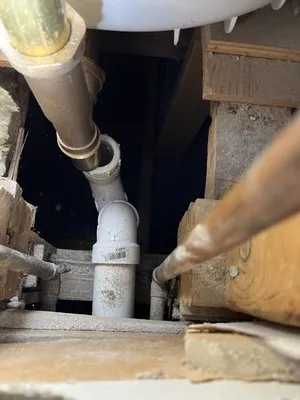
David M Murphy Plumbing, Heating & Gas Fitting
David M Murphy Plumbing, Heating & Gas Fitting has been a trusted name in Lowell and the Merrimack Valley since 1983. As a Master Plumber and Gas Fitter licensed in both Massachusetts and New Hampshir...
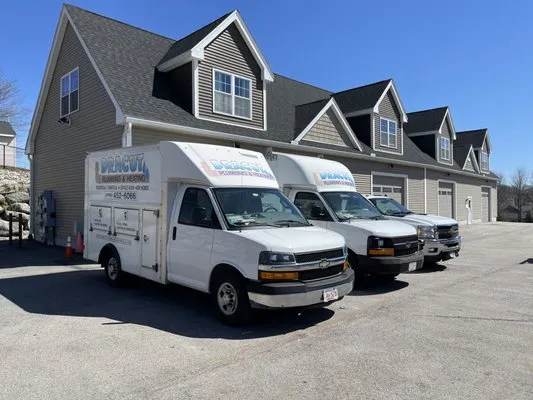
Dracut Plumbing & Heating
For over 30 years, Dracut Plumbing & Heating has been the trusted, family-owned choice for plumbing and heating needs across the Merrimack Valley and Southern New Hampshire. Since 1996, we've built la...

Sean's Handyman Service, founded by Sean Waight in 2021, is a licensed handyman business serving Amesbury, MA. With four years of experience, Sean brings a passion for craftsmanship and home improveme...
Taft Plumbing & Heating is a Tyngsboro-based plumbing company built on family tradition and a genuine passion for the trade. Following in his father's footsteps, the owner has dedicated his career to ...
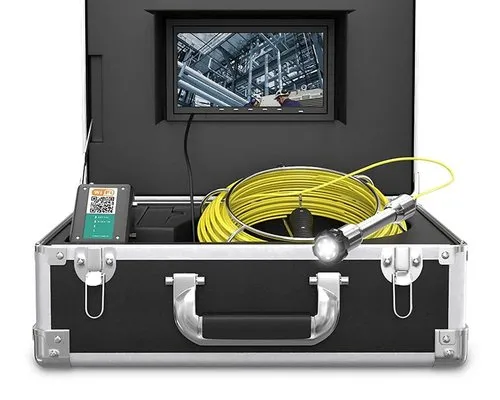
FlowGeek Sewer and Drain is a veteran-owned plumbing service based in Haverhill, MA, bringing over 25 years of combined experience to every job. We specialize in the full spectrum of drain and sewer s...
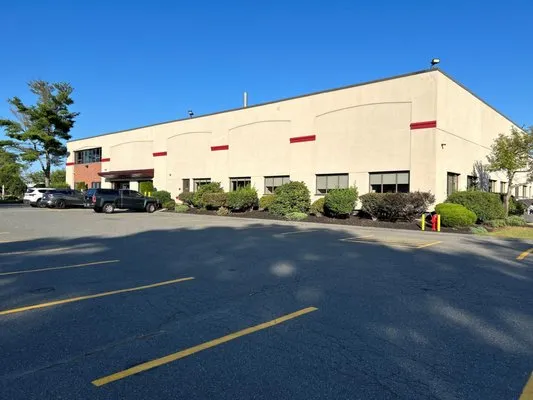
CommTask
CommTask is a dedicated service partner for businesses in Wakefield, MA, focused on keeping commercial and industrial facilities operating without interruption. We provide thorough plumbing inspection...

RJ Morello Inc has been a trusted plumbing provider in the Woburn area since 1989, founded by Roger J Morello with a commitment to quality work and dependable service. As a full-service company, we ha...
Estimated Plumbing Costs in Lee, NH
Q&A
Does having a private well in Lee mean I'll have more problems with my water heater?
Yes, it directly impacts appliance life. Our untreated well water is corrosive and low in pH. That acidic water attacks the anode rod in your water heater aggressively, often corroding it completely within a few years. Once that sacrificial rod is gone, the tank itself starts to corrode. We recommend checking and replacing the anode rod more frequently, and installing a whole-house acid neutralizer can significantly extend the life of all your plumbing fixtures and appliances.
What permits do I need for a plumbing repair or replacement in Lee, NH?
Most substantial work requires a permit from the Lee Building Department. As a New Hampshire licensed Master Plumber, handling that red tape is part of the job. I pull the permits, schedule the required inspections, and ensure the work meets all state and local codes. This protects you; an unpermitted repair can cause issues when you sell your home. My license from the NH Office of Professional Licensure and Certification means the town knows the work will be done to code, so you don't have to navigate the process yourself.
Why do my copper pipes keep springing tiny leaks?
That's classic pinhole leak behavior in aging copper systems, especially for homes built around 1985. Our acidic well water accelerates a process called Type I pitting corrosion. It creates weak spots from the inside out. You'll often find these leaks at horizontal pipe runs or just downstream of fittings, where water turbulence and mineral deposits concentrate. Re-piping the affected sections, rather than just patching, is usually the reliable fix.
What's the best way to prepare my plumbing for a New Hampshire winter in Lee?
The critical move is to disconnect and drain your outdoor hose bibs before the first hard freeze, which can hit 12°F here. But a local pro-tip is to pay extra attention during the spring thaw. That's when we see a peak in callouts. Frozen ground heaves and can stress main line connections, and thawing ice in drain lines reveals slow clogs that went unnoticed all winter. Checking for foundation-level leaks and running hot water through seldom-used drains in early spring prevents bigger issues.
Our house in Lee Center was built in 1985. Should we be worried about our plumbing?
Your copper plumbing is now about 41 years old. That's the typical lifespan for copper in our local water conditions. Many homes in the Lee Center area from that era are now seeing pinhole leaks and joint failures. The internal walls of the pipe thin over decades, and you'll often find the first signs of trouble at the soldered joints or behind walls. It's a predictable wear-out point, not a surprise.
Could the hilly land around Little River Park be causing my drainage problems?
Absolutely. The slope of your property dictates everything. On these hills, surface runoff during heavy rain can overwhelm yard drains and saturate the soil around your foundation. More critically, the main sewer line from your house to the septic tank or street is under constant gravitational stress on a steep lot. Over years, that strain can cause pipes to settle unevenly or joints to separate, leading to slow drains or backups. Proper grading and secure, well-supported pipe bedding are non-negotiable here.
Are there different plumbing concerns for a rural Lee home versus one in a town?
The rural setting defines your entire system. You're responsible for everything from the well pump and pressure tank to the septic field, with no municipal backup. Well pump failures mean no water at all, and septic issues are costly to remedy. You don't have the high pressure or chlorinated water of a city supply, but you also don't have sewer roots to worry about. Maintenance focuses on your private equipment—servicing the well pump, inspecting the septic, and treating corrosive water—since no one else is doing it for you.
How fast can a plumber get to my house in Lee if I have an emergency?
Our typical dispatch route from the shop heads past Little River Park and picks up NH-125. That main corridor gets us through most of town efficiently. For homes further off the main roads, you can expect a 45 to 60 minute window during normal hours. We plan routes knowing these hills and back roads, so we're not relying on generic GPS times that don't account for local conditions.
