Top Emergency Plumbers in Lancaster, NH, 03584 | Compare & Call

There are 224 plumbing companies server in Lancaster NH

The Fix-it Team LLC is your North Granville neighbor for a wide range of home repair and remodeling needs. As a family-run, locally owned business, we take pride in being deeply involved in our commun...
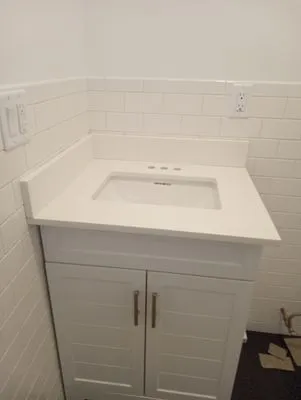
Jax Snow Electric and Construction is a Peru-based contractor serving the North Country with comprehensive electrical, plumbing, and construction services. Our team of certified master electricians an...
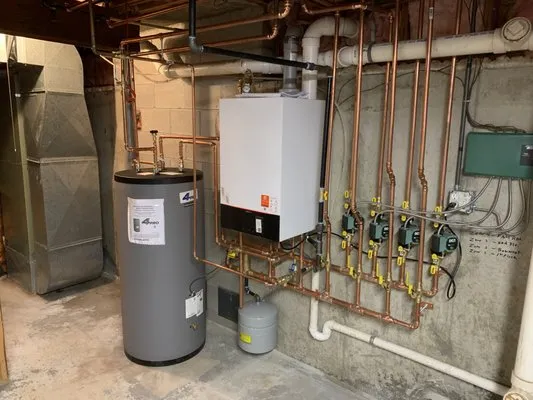
Shawn's Plumbing And Heating
Shawn's Plumbing And Heating is a trusted local plumbing and heating service provider based in North Andover, MA, with over 20 years of experience serving Essex County. Specializing in all aspects of ...
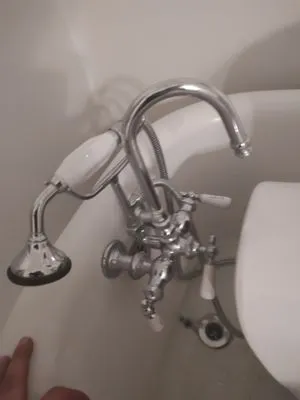
Frosty Sewer and Drain Service Repair is a trusted, locally-owned plumbing company serving South Burlington, VT. We provide comprehensive solutions for everything from routine drain cleaning to comple...
Pipe Dreams Sewer & Drain is a trusted, licensed provider serving Milton, VT, and the surrounding Chittenden County region. We specialize in comprehensive sewer, septic, and drain solutions for both h...
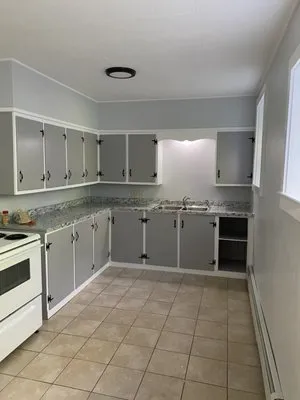
Valor Plumbing is a Bristol-based plumbing service founded by a local professional with over a decade of experience. After serving as a mechanic in the Army, including deployment in Iraq, the owner la...
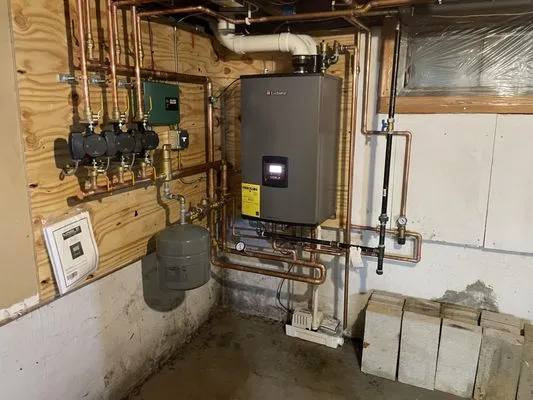
Benoure Plumbing & Heating
Benoure Plumbing, Heating & Air Conditioning is a family-owned mechanical contractor serving South Burlington and the surrounding Vermont community since 1966. With a team of over 70 licensed professi...

Williamson Plumbing & Heating
Williamson Plumbing & Heating has been a trusted local provider in Underhill, Vermont, since 1984, when Dennis and Resa Williamson founded the business. We specialize in comprehensive residential plum...
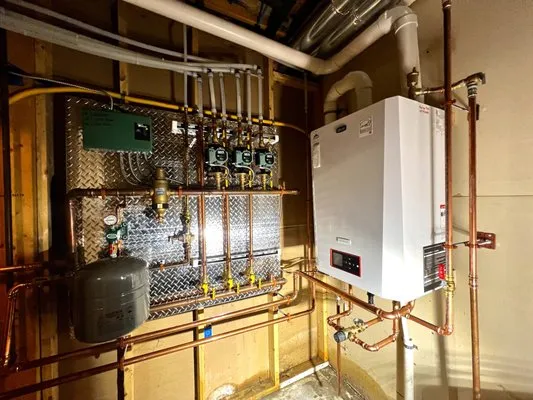
Horizon Plumbing & Heating is your trusted local solution for plumbing and HVAC needs in Williamstown, Vermont. We specialize in diagnosing and fixing common local problems like persistent pipe joint ...
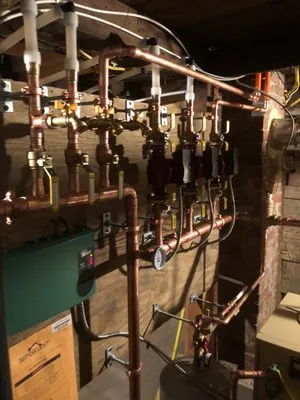
Merrill Mechanical is a family-owned mechanical company serving Bethel, VT, and surrounding areas since 2006. Founded by Justin Merrill, who brings decades of plumbing experience from Boston and Orego...
Estimated Plumbing Costs in Lancaster, NH
FAQs
Do I need a permit to replace my water heater in Lancaster?
Yes, the Lancaster Building Department requires permits for water heater replacements to ensure proper venting and pressure relief. As a master plumber licensed with the New Hampshire Office of Professional Licensure and Certification, I pull those permits, schedule the inspections, and handle the red tape so you don't have to. It's part of a code-compliant job.
My pipes in Lancaster are so old. What's actually happening inside them?
Pipes installed around 1938 are now 88 years old. For galvanized steel, that's a full lifespan. What you're seeing in the Main Street Historic District is the final stage of corrosion: a sharp drop in water pressure from severe internal scaling, followed by a sudden onset of pinhole leaks. The steel has been rusting and depositing minerals inside itself for decades, reducing the pipe's diameter to a pencil-thin opening before it finally fails.
What's the most important thing to do for my pipes before winter in the Snow Belt?
Before temperatures hit that 4-degree low, shut off and drain any exterior hose bibs from inside the house. The spring thaw is actually a bigger threat—as the ground shifts, it can stress old, brittle pipes and fittings. A pro-tip is to mark your main water shut-off valve now so you can act fast if a pipe lets go during a thaw.
Could the hilly land around here be causing my drainage issues?
Absolutely. The steep slopes around areas like Weeks State Park put constant, uneven stress on underground main sewer lines. Over decades, this can cause sections to settle, bow, or separate at the joints. If your home is downhill, you might also be receiving excessive groundwater inflow during heavy rain or snowmelt, overwhelming older drainage systems.
How fast can a plumber get to my house if I'm in Lancaster?
My standard dispatch from the shop heads past Weeks State Park on US-3. That route gets me into the heart of Lancaster in 45 to 60 minutes, depending on seasonal traffic or road conditions. I plan for that window so you have a reliable arrival time, not a guess.
Why is my water pressure so low in my older Lancaster home?
Galvanized steel pipes from 1938 accumulate rust and mineral scale internally for decades. Eventually, the opening inside the pipe can become nearly sealed shut, like a clogged artery. This calcification at the joints is the most common failure point, strangling flow long before the pipe bursts. A full pressure drop often signals the need for a repipe, not just a spot repair.
As a rural homeowner near Lancaster, what plumbing systems need my attention?
Your well pump and pressure tank, along with your septic system, are your responsibility. Municipal services aren't coming to fix them. I check pump performance and tank air charge to prevent short-cycling, and advise on septic pumping schedules based on household size. These systems work harder here and need proactive maintenance.
Does the local water in Lancaster cause problems for plumbing?
Yes, the source water from the Israel River watershed tends to be acidic and corrosive. This accelerates the wear on any remaining galvanized steel and is particularly hard on water heater tanks and brass fittings. Over time, the acidity can thin tank walls and cause premature failures, which is why I often recommend a sacrificial anode rod inspection during annual service.
