Top Emergency Plumbers in Hill, NH, 03243 | Compare & Call

There are 81 plumbing companies server in Hill NH
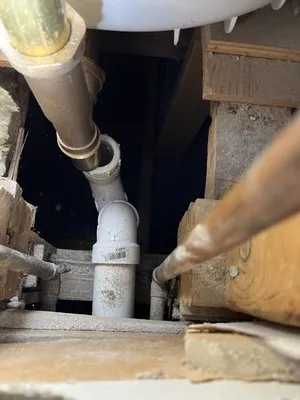
David M Murphy Plumbing, Heating & Gas Fitting
David M Murphy Plumbing, Heating & Gas Fitting has been a trusted name in Lowell and the Merrimack Valley since 1983. As a Master Plumber and Gas Fitter licensed in both Massachusetts and New Hampshir...
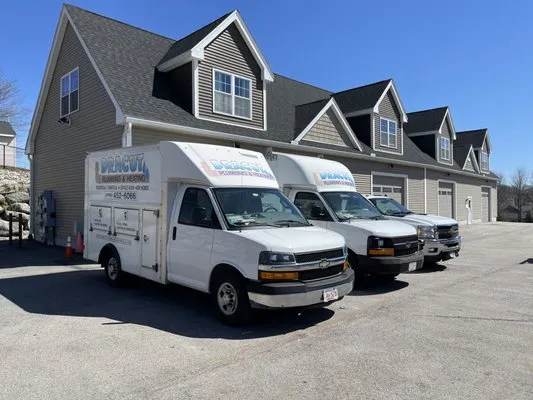
Dracut Plumbing & Heating
For over 30 years, Dracut Plumbing & Heating has been the trusted, family-owned choice for plumbing and heating needs across the Merrimack Valley and Southern New Hampshire. Since 1996, we've built la...
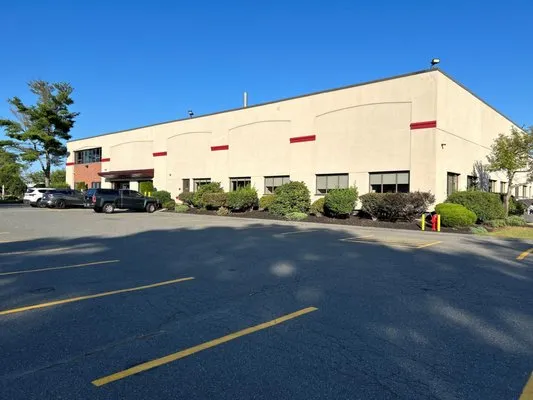
CommTask
CommTask is a dedicated service partner for businesses in Wakefield, MA, focused on keeping commercial and industrial facilities operating without interruption. We provide thorough plumbing inspection...

RJ Morello Inc has been a trusted plumbing provider in the Woburn area since 1989, founded by Roger J Morello with a commitment to quality work and dependable service. As a full-service company, we ha...
Priority Building & Property Maintenance
Priority Building & Property Maintenance is your trusted, family-owned partner for property care in Springfield, VT. We focus on a preventative approach to maintenance, helping you identify and addres...
Cashman Plumbing and Heating
Cashman Plumbing and Heating is a trusted, family-owned plumbing company that has been serving the Auburn, NH community with reliable service since 2024, backed by the expertise of our original Tyngsb...
Heritage Home Service
Heritage Home Service is a family-owned and operated business serving Auburn and the surrounding Southern New Hampshire communities since 1986. Founded by brothers Craig and Steve, the company has gro...
Gallant Plumbing Services LLC is a locally owned and operated plumbing company serving Sandown and the surrounding communities. With over 40 years of combined experience, we are equipped to handle eve...
For over 15 years, Bruce Beauchemin Plumbing has been a trusted, family-operated plumbing service for Manchester, NH, and surrounding areas. We understand the unique plumbing challenges in our region,...
McGarvey Plumbing & Heating is a licensed, locally owned and operated plumbing company serving Manchester, NH, and surrounding areas. With years of experience, we specialize in a wide range of residen...
Estimated Plumbing Costs in Hill, NH
Common Questions
Why are so many homes in Hill Village suddenly having plumbing problems?
Galvanized steel pipes installed around 1952 are now 74 years old. At this age, the zinc coating has completely worn away, exposing the underlying steel to constant water contact. Homeowners in Hill Village are seeing widespread rust buildup that restricts water flow and causes pressure drops. The pipes become brittle and prone to sudden failures, especially at threaded joints where corrosion concentrates.
What causes those small leaks in older Hill homes' plumbing?
Galvanized steel pipes from the 1950s develop pinhole leaks as internal corrosion eats through the pipe walls. These often start at joints where dissimilar metals meet, creating galvanic corrosion. Scale buildup from decades of mineral deposits also weakens the steel, making it susceptible to pressure-induced failures. You might notice damp spots on walls or ceilings before a full rupture occurs.
How quickly can a plumber reach my home in Hill during an emergency?
From our base near Blackwater River, we take US-3 north or south depending on your location. Heading past Blackwater River on US-3 gets us moving toward most Hill addresses within minutes. Our typical response time runs 45-60 minutes for urgent calls, accounting for rural road conditions and precise navigation to your property.
How does the hilly landscape around Blackwater River affect my home's drainage?
Hilly terrain creates gravitational stress on main sewer lines running downhill from your home. Soil erosion near slopes can expose or damage buried pipes. Properties closer to Blackwater River may experience groundwater infiltration during heavy rains, overwhelming drainage systems. Proper grading around your foundation and regular drain line inspections prevent backups caused by these terrain factors.
Are septic and well systems in rural Hill different from town plumbing?
Rural Hill properties rely on private septic systems and wells rather than municipal connections. Septic systems require regular pumping every 3-5 years to prevent backups into your home. Well pumps and pressure tanks need maintenance to ensure consistent water flow. These systems operate independently, so issues won't affect neighbors but require specialized knowledge for repairs and compliance with local regulations.
Who handles permits and regulations for plumbing work in Hill?
The Town of Hill Selectmen's Office manages local permits for plumbing installations and repairs. As a master plumber licensed by the New Hampshire Office of Professional Licensure and Certification, I coordinate all required inspections and paperwork. This includes septic system approvals, well modifications, and compliance with state plumbing codes. You focus on your home while I manage the regulatory details.
What should I do before spring thaw to avoid plumbing issues?
Temperatures here can drop to 10°F, and spring thaw brings the highest risk of pipe bursts. Insulate exposed pipes in crawl spaces and basements before winter sets in. Keep cabinet doors open during cold snaps to allow warm air circulation around plumbing. Drain outdoor spigots and irrigation systems each fall to prevent freeze damage that manifests during thaw cycles.
Does well water in Hill damage water heaters or fixtures faster?
Private wells in our area draw acidic, corrosive water that accelerates wear on plumbing components. This water attacks the anode rods in water heaters, leaving the tank vulnerable to rust. Fixtures develop pitting and mineral deposits that reduce their lifespan. Installing a whole-house water treatment system can neutralize acidity and protect your investment in appliances and pipes.
