Top Emergency Plumbers in Harrisville, NH, 03450 | Compare & Call

There are 82 plumbing companies server in Harrisville NH

Rodriguez Plumbing And Heating is a local, family-operated business owned by a dedicated plumber who takes immense pride in his work. As a family man himself, he understands the importance of a safe a...
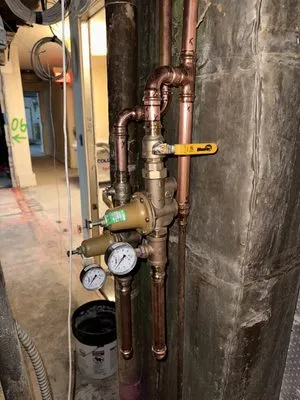
CJS Mechanical is a trusted plumbing service in Gardner, MA, founded by Licensed Plumber Cody James and his two business partners. With years of experience in both residential and commercial work, our...

Broco Energy is a veteran-owned, Haverhill-based company founded in 2007 by U.S. Navy Seabee and Massachusetts Fire Captain Robert Brown and his wife, Angela. From its Massachusetts roots, the company...

Flores HVAC Services
Flores HVAC Services has been serving the Leominster, MA community for years, providing reliable heating, cooling, and plumbing solutions. We specialize in comprehensive HVAC services, from installati...
David M Murphy Plumbing, Heating & Gas Fitting
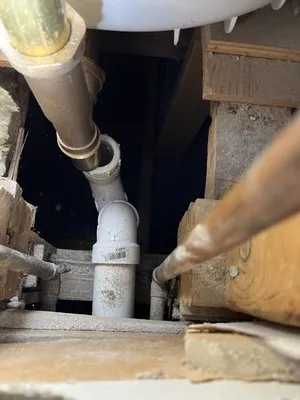
David M Murphy Plumbing, Heating & Gas Fitting has been a trusted name in Lowell and the Merrimack Valley since 1983. As a Master Plumber and Gas Fitter licensed in both Massachusetts and New Hampshir...
Dracut Plumbing & Heating
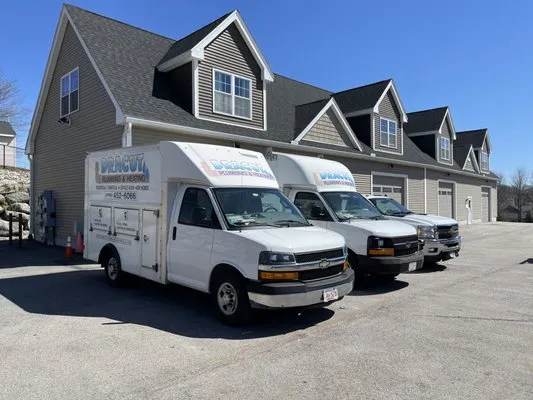
For over 30 years, Dracut Plumbing & Heating has been the trusted, family-owned choice for plumbing and heating needs across the Merrimack Valley and Southern New Hampshire. Since 1996, we've built la...
CommTask
CommTask is a dedicated service partner for businesses in Wakefield, MA, focused on keeping commercial and industrial facilities operating without interruption. We provide thorough plumbing inspection...
AAA Mechanical is a Westford-based home services company with over 40 years of industry experience. Founded in 2004 by veteran Jeff, the business has grown from a premier HVAC provider into a comprehe...
Cota & Cota is a family-owned and operated business serving Brattleboro and the surrounding Vermont and New Hampshire communities for over 75 years. Founded in 1941 by Ken and Helen Cota, the company ...
ARC Mechanical Contractors
ARC Mechanical Contractors has been a trusted name in mechanical services since 1947, when Chet Allen first opened the doors as Allen Refrigeration Company. Renamed in 1987, the company has built a 70...
Estimated Plumbing Costs in Harrisville, NH
Questions and Answers
Why do my old galvanized pipes keep leaking at the joints?
Joints in 68-year-old galvanized systems are failing from calcification and thread corrosion. Over decades, mineral deposits and rust expand inside the fittings, creating immense stress. This leads to cracks at the threads or complete failure of the fitting itself, which is why you see leaks most often where pipes connect rather than along straight runs.
Who handles the permits for a water heater replacement in Harrisville?
The Town of Harrisville Building Department requires permits for water heater and major plumbing work. As a Master Plumber licensed by the New Hampshire Office of Professional Licensure and Certification, I pull those permits, schedule inspections, and ensure the installation meets all state and local codes. You won't need to manage that red tape.
Could the hilly land around my house cause a sewer line problem?
Hilly terrain, especially near Harrisville Pond, shifts soil and puts lateral stress on buried main lines. This can cause the pipe to sag or separate at joints. It also affects drainage, potentially directing surface water toward your foundation. We often find that the main sewer line from homes on slopes shows early signs of bellies or offset joints.
Are plumbing issues different in a rural town like Harrisville?
Rural plumbing here involves managing both a private septic system and a well. That means no municipal water pressure to help clear blockages, and a failed septic pump or leach field directly impacts your home. Maintenance focuses on the entire water cycle on your property, from the well pump and pressure tank to the septic tank outlet.
What should I do with my plumbing before the spring thaw in Harrisville?
Insulate any pipes in unheated crawl spaces or along north-facing foundations. When overnight lows hit 10°F and daytime thaws begin, that freeze-thaw cycle puts immense pressure on pipe joints. A pro-tip for our temperate climate is to let a faucet drip only if you've had a freeze-up before; better to address the insulation in vulnerable areas ahead of time.
Does having a private well in Harrisville mean I need special plumbing?
Private wells here often draw acidic, corrosive water. This accelerates corrosion inside your water heater tank and on fixture valves. Installing a whole-house neutralizer or using dielectric unions at connections can protect your appliances. Without treatment, you'll notice premature failure of water heaters and blue-green staining on fixtures from copper pipes.
My Harrisville house has galvanized pipes from 1958. Should I be worried?
Galvanized steel pipes installed in 1958 are now 68 years old, which is well beyond their expected service life. Homeowners in Harrisville Village are experiencing a sharp increase in low water pressure and frequent pinhole leaks. The zinc coating that protects the steel has completely eroded away, leaving the bare iron vulnerable to rust and scale buildup that clogs the pipe interior.
How fast can a plumber get to my house near Harrisville Pond?
Heading past Harrisville Pond on NH-101 is the primary route. From there, travel time depends on your specific road and driveway access. For most calls, you can expect a service vehicle within 45 to 60 minutes. We factor in the rural roads and plan dispatch accordingly to provide a reliable window.
