Top Emergency Plumbers in Hanover, NH, 03741 | Compare & Call

There are 14 plumbing companies server in Hanover NH
Frosty Sewer and Drain Service Repair is a trusted, locally-owned plumbing company serving South Burlington, VT. We provide comprehensive solutions for everything from routine drain cleaning to comple...
Merrill Mechanical is a family-owned mechanical company serving Bethel, VT, and surrounding areas since 2006. Founded by Justin Merrill, who brings decades of plumbing experience from Boston and Orego...
Dundon Plumbing Heating & Portable Restrooms
Dundon Plumbing Heating & Portable Restrooms has been a trusted family-owned business serving Orwell and Vermont's Champlain Valley for over 90 years. With three generations of experience, we provide ...

Priority Building & Property Maintenance
Priority Building & Property Maintenance is your trusted, family-owned partner for property care in Springfield, VT. We focus on a preventative approach to maintenance, helping you identify and addres...
ARC Mechanical Contractors
ARC Mechanical Contractors has been a trusted name in mechanical services since 1947, when Chet Allen first opened the doors as Allen Refrigeration Company. Renamed in 1987, the company has built a 70...
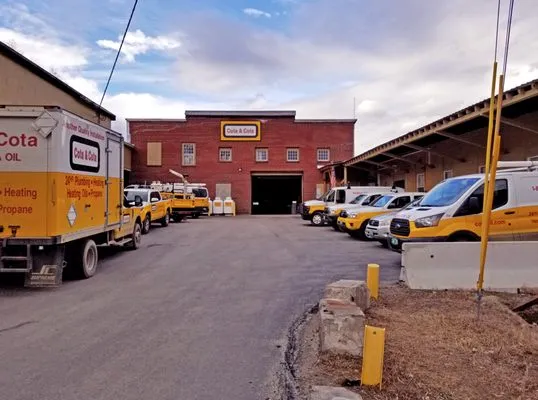
For over 75 years, Cota & Cota has been the trusted family name for plumbing and heating in Bellows Falls and beyond. Founded in 1941 by Ken and Helen Cota, this Vermont-owned business has grown from ...
Cota & Cota
Cota & Cota is a trusted Vermont family business serving White River Junction and surrounding communities for over 80 years. Founded in 1941 by Ken and Helen Cota, the company has grown from a small g...
T.Dean Plumbing & Heating
T.Dean Plumbing & Heating is a trusted, full-service plumbing company serving Springfield, VT, and the surrounding communities. We specialize in a wide range of services designed to keep your home's w...
HB Energy Solutions
HB Energy Solutions is a locally owned and operated home services provider based in Springfield, VT, with over 22 years of experience serving Vermont and New Hampshire. Founded by Tom and Doug, who ar...

Twin State Plumbing and Heating is your trusted, local plumbing and HVAC expert serving Corinth, Vermont, and the surrounding communities. We provide reliable, year-round solutions for homeowners, fro...
Estimated Plumbing Costs in Hanover, NH
Q&A
Could the hilly land around Dartmouth cause plumbing problems?
Yes, the sloping terrain common around Dartmouth and Occom Pond stresses plumbing. A home built on a hillside often has a long, vertical main water service line from the street. This creates high static pressure that can accelerate wear on valves and fixtures. Proper pressure regulation is critical. The same slopes can complicate drainage, requiring specific grading to prevent water from pooling against a foundation.
Do I need a permit to replace my water heater in Hanover?
Most plumbing replacements, including water heaters, require a permit from the Hanover Planning and Zoning Department. As a master plumber licensed by the New Hampshire Office of Professional Licensure and Certification, I pull those permits and schedule the required inspections as part of the job. Handling that red tape ensures the work meets all state and local codes, so you don't have to navigate the process yourself.
Does water from the Connecticut River damage plumbing?
Water sourced from the Connecticut River watershed tends to be soft and slightly acidic. This corrosive quality accelerates the wear on copper pipes and brass fittings over time. You'll also see it affect water heaters, where the anode rod depletes faster to protect the tank. We recommend checking that rod every two years and considering a whole-house neutralizer if you see consistent blue staining.
How old are the pipes in my 1970s Hanover home?
Pipes installed around 1973 are now 53 years old. For copper systems in the Occom Pond District, that age often means you're seeing a rise in pinhole leaks and noticeable blue-green stains at fixtures from corrosion. This thin-wall copper from that era can develop weak spots after decades of water flow, particularly with our local water chemistry. It's a predictable lifespan, not a sudden failure.
How quickly can a plumber get to my house near Dartmouth?
A dispatch from our shop typically heads past Dartmouth College to access I-91, which serves as the main artery for the area. From there, routes fan out to neighborhoods like Occom Pond. Barring winter weather delays, that puts most Hanover addresses within a 20 to 30 minute service window. We factor in campus traffic patterns and bridge crossings to estimate arrival.
Are sewer line issues common in suburban Hanover neighborhoods?
In established suburban areas like Occom Pond, the primary concern for sewer laterals is root intrusion from mature trees and gradual settlement of the pipe over decades. While you're on a municipal system, the lateral from your house to the street is your responsibility. We often use camera inspections to diagnose partial blockages from roots before they become a full backup, especially in older sections.
What should I do to prepare my pipes for a New Hampshire winter?
Before temperatures hit 10°F, disconnect and drain outdoor hoses and shut off the interior valve to exterior spigots. The bigger annual concern is the spring thaw, when frozen ground shifts and can stress main service lines. Insulating pipes in unheated crawl spaces is standard, but also make sure your basement floor drain is clear to handle any condensation runoff from a thawing foundation.
Why do my copper pipes keep springing pinhole leaks?
Copper pipe from the early 1970s is prone to pinhole leaks due to a combination of age, water chemistry, and the manufacturing standards of the time. The interior wall thins from years of corrosive flow, creating weak points that eventually perforate. In Hanover homes of this vintage, leaks frequently appear on horizontal hot water lines or at solder joints that have become brittle.
