Top Emergency Plumbers in Greenville, NH, 03048 | Compare & Call

There are 136 plumbing companies server in Greenville NH
Bay State Heating & Cooling
Bay State Heating & Cooling is a trusted HVAC and plumbing service provider serving Boston, MA, with expertise in both residential heating/cooling systems and comprehensive plumbing solutions. Our tea...

Menotomy Plumbing & Heating
Menotomy Plumbing & Heating is a locally owned and operated plumbing service in Arlington, MA, founded by Paul, a licensed plumber with nearly 25 years of hands-on experience. Paul personally handles ...
ER Services Plumbing and Heating
ER Services Plumbing and Heating LLC is a licensed and bonded plumbing and heating company serving Lawrence, MA, and surrounding communities. We specialize in both residential and commercial plumbing ...
Malden Plumbing Services, led by Jayden, has been a trusted local name in Boston since 2018. We are dedicated to solving plumbing challenges with a blend of hands-on skill and modern diagnostic techno...

JLB Plumbing & Mechanical
JLB Plumbing & Mechanical is a veteran-owned plumbing and mechanical service provider based in Wakefield, MA, with over 5 years of experience serving residential, commercial, and industrial clients ac...

WR House Improvements is your trusted Newton plumbing and home improvement specialist. Serving the local community, we specialize in a comprehensive range of services designed to keep your home runnin...
Minuteman Service Company is a Boston-based home service provider founded by a first-generation professional with deep roots in Massachusetts. Growing up in Natick working in the family pizza business...
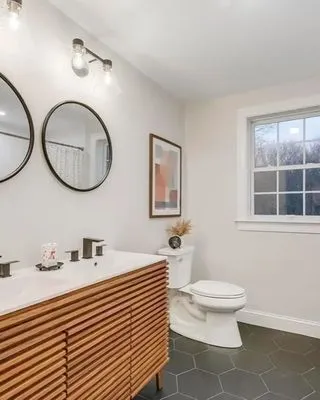
Doug Anderson Plumbing & Heating
Doug Anderson Plumbing & Heating is a locally owned and operated service provider in Billerica, MA, dedicated to keeping homes comfortable and functional. Founded by Master Plumber Doug Anderson, the ...
Green Team Drains
Green Team Drains has been Boston's trusted plumbing partner since 2016. Founded by a Boston Local 12 Plumbers' Union-certified master plumber with over two decades of experience, our team is built on...
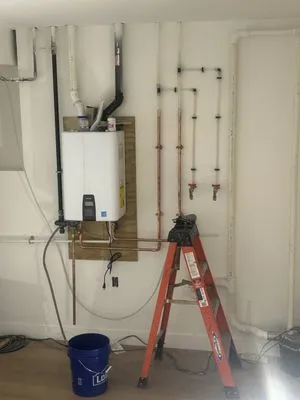
Frazier Mechanical is a trusted, full-service plumbing company serving Worcester and the surrounding communities. We specialize in solving the common plumbing problems Worcester homeowners face, parti...
Estimated Plumbing Costs in Greenville, NH
Frequently Asked Questions
How does Greenville's hilly landscape affect my plumbing?
The slope toward Souhegan River creates natural drainage patterns that can overwhelm older systems during heavy rain. Hilly terrain also puts differential stress on main water lines, particularly at elevation changes where pipes may sag or develop leaks. Proper grading around your foundation is essential to direct runoff away from critical plumbing infrastructure.
What should I do before spring thaw to prevent plumbing issues?
Before temperatures rise above freezing consistently, disconnect and drain outdoor hoses. Insulate exposed pipes in unheated areas like crawl spaces. Check for foundation cracks where melting snow could seep in. Spring thaw brings the year's highest water table, which tests drainage systems that have been dormant through winter.
Does Greenville's water affect my water heater or fixtures?
Water from the Souhegan River watershed tends toward acidic and corrosive properties. This accelerates scale buildup in water heaters and causes premature failure of fixtures, especially at solder joints and valve seats. Anode rods in water heaters deplete faster here, requiring more frequent replacement to protect the tank interior.
What permits do I need for plumbing work in Greenville?
The Greenville Building Department requires permits for most plumbing modifications, especially those involving wells or septic systems. As a New Hampshire Mechanical Licensing Board certified master plumber, I handle the permit applications and inspections. This ensures work meets current codes while saving homeowners from navigating bureaucratic requirements themselves.
Are there special considerations for rural Greenville plumbing?
Most Greenville properties rely on wells and septic systems rather than municipal connections. Well pumps need regular maintenance to handle the area's hard water, and septic fields require careful placement considering the hilly terrain. Pressure tanks should be checked annually for proper air charge, as inconsistent well pressure accelerates fixture wear.
What causes those small leaks in old Greenville plumbing?
Galvanized steel pipes from 1938-era construction develop pinhole leaks as the zinc coating wears off and the underlying steel corrodes. Joint calcification also occurs where mineral deposits build up at connections, creating weak points. These failures typically start in hidden areas like crawl spaces or behind walls before becoming visible.
How quickly can a plumber reach my home in Greenville?
Heading past Souhegan River on NH-31, most dispatch routes from Greenville Center take 45-60 minutes depending on your exact location. That timing accounts for winding rural roads and elevation changes. We factor this into our scheduling so you get realistic arrival estimates rather than optimistic promises.
Why are so many Greenville homes having plumbing problems lately?
Most homes in Greenville Center were built around 1938 with galvanized steel pipes. At 88 years old in 2026, that material has reached its functional lifespan. Homeowners are now seeing widespread rust buildup, reduced water pressure, and frequent leaks as the steel corrodes from the inside out. This isn't sudden failure—it's the predictable outcome of decades of mineral accumulation and oxidation.
