Top Emergency Plumbers in Grafton, NH, 03240 | Compare & Call

There are 61 plumbing companies server in Grafton NH
CommTask
CommTask is a dedicated service partner for businesses in Wakefield, MA, focused on keeping commercial and industrial facilities operating without interruption. We provide thorough plumbing inspection...

RJ Morello Inc has been a trusted plumbing provider in the Woburn area since 1989, founded by Roger J Morello with a commitment to quality work and dependable service. As a full-service company, we ha...

Priority Building & Property Maintenance
Priority Building & Property Maintenance is your trusted, family-owned partner for property care in Springfield, VT. We focus on a preventative approach to maintenance, helping you identify and addres...
For over 75 years, Cota & Cota has been the trusted family name for plumbing and heating in Bellows Falls and beyond. Founded in 1941 by Ken and Helen Cota, this Vermont-owned business has grown from ...
Cota & Cota
Cota & Cota is a trusted Vermont family business serving White River Junction and surrounding communities for over 80 years. Founded in 1941 by Ken and Helen Cota, the company has grown from a small g...
Sean Trzesiara Plumbing & Heating
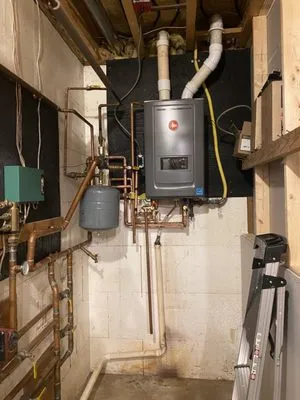
Sean Trzesiara Plumbing & Heating has been providing reliable plumbing and heating services to the White River Junction community and Upper Valley region for over 28 years. With more than two decades ...
T.Dean Plumbing & Heating
T.Dean Plumbing & Heating is a trusted, full-service plumbing company serving Springfield, VT, and the surrounding communities. We specialize in a wide range of services designed to keep your home's w...
HB Energy Solutions
HB Energy Solutions is a locally owned and operated home services provider based in Springfield, VT, with over 22 years of experience serving Vermont and New Hampshire. Founded by Tom and Doug, who ar...
Cashman Plumbing and Heating
Cashman Plumbing and Heating is a trusted, family-owned plumbing company that has been serving the Auburn, NH community with reliable service since 2024, backed by the expertise of our original Tyngsb...

At All Trades Mechanical in Manchester, NH, we believe quality service starts with genuine care for our neighbors. We're a team of skilled technicians dedicated to solving your home's mechanical issue...
Estimated Plumbing Costs in Grafton, NH
Question Answers
Are there special plumbing considerations for a rural Grafton property?
Rural systems are self-contained. A problem with your well pump or pressure tank means you have no water. A failed septic system can back up into the home. It's critical to know the location and access points to your wellhead and septic tank for service. We also see more issues with buried supply lines due to frost depth and soil shifting compared to municipal settings.
Why do my copper pipes keep springing pinhole leaks?
Copper piping from the mid-80s is now susceptible to pitting corrosion, a process accelerated by our local water conditions. This creates pinhole leaks, often in horizontal runs of hot water pipe or at the dielectric unions where copper meets steel. The solder used at that time can also become brittle, leading to joint failures that aren't always a simple fix.
What's the most important spring plumbing maintenance for Grafton homes?
Inspect all exterior hose bibs and your well pit for freeze damage once the ground thaws. Our spring thaw, following winter lows near 8°F, can reveal splits in pipes that froze but didn't burst until the ice expanded during the melt. Check for damp spots in your basement or crawlspace, as this is when hidden leaks from frozen lines become apparent.
How fast can a plumber get to my house in Grafton?
Our standard dispatch route heads past Grafton Pond to access US Route 4, which connects most of the town. From there, we navigate the local roads. A typical emergency response from initial call takes 45 to 60 minutes. We plan routes to minimize time on the backroads, especially during mud season or winter weather.
Could my home's location on a hill cause plumbing problems?
Hilly terrain, especially near the slopes around Grafton Pond, puts constant stress on the main water line from your well. The ground can shift seasonally, straining pipe fittings and potentially causing leaks at the pitless adapter. It also affects drainage; if your home is downhill, you might need additional exterior drainage to keep water away from your foundation and septic field.
Does having a private well in Grafton affect my water heater?
Yes, significantly. Untreated well water here is often acidic and corrosive. This water attacks the anode rod in your water heater aggressively, causing it to fail years early. Once the rod is gone, the tank itself corrodes. We recommend annual anode rod checks and often install a whole-house acid neutralizer to protect all your plumbing fixtures and appliances.
Do I need a permit to replace my water heater in Grafton?
Yes, the Grafton Building Department requires permits for water heater replacements to ensure proper venting and pressure relief. As a Master Plumber licensed by the New Hampshire Office of Professional Licensure and Certification, I pull all required permits, schedule the inspections, and handle the paperwork. This ensures the work is documented and meets code, which is important for your safety and home insurance.
Our home was built in the 1980s. Should I be worried about the plumbing in Grafton?
Homes built around 1984 now have copper pipes that are 42 years old. In Grafton Center, this is the age where we typically see the first major wave of pinhole leaks from internal corrosion. The water's chemistry has been slowly thinning the pipe walls for decades, and failures often start appearing in hot water lines and at solder joints. It's a good time for a proactive inspection before a small leak turns into a wall repair.
