Top Emergency Plumbers in Fitzwilliam, NH, 03447 | Compare & Call

There are 109 plumbing companies server in Fitzwilliam NH

Green Team Drains
Green Team Drains has been Boston's trusted plumbing partner since 2016. Founded by a Boston Local 12 Plumbers' Union-certified master plumber with over two decades of experience, our team is built on...
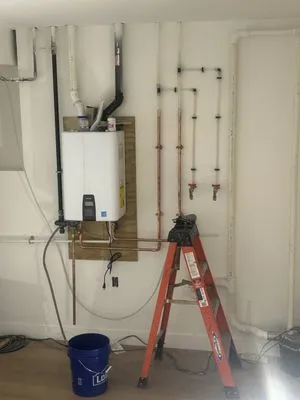
Frazier Mechanical is a trusted, full-service plumbing company serving Worcester and the surrounding communities. We specialize in solving the common plumbing problems Worcester homeowners face, parti...

V & R Mechanical
V & R Mechanical is a licensed plumbing company serving Leominster, MA, and the surrounding Massachusetts area with over a decade of experience in both commercial and residential plumbing. We speciali...
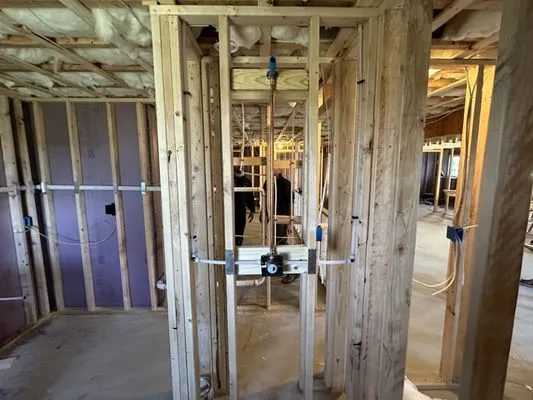
Pat’s Plumbing
Pat's Plumbing, owned and operated by Patrick Collicutt in North Brookfield, MA, brings six years of professional plumbing experience to Worcester County and surrounding areas. With a background in ne...
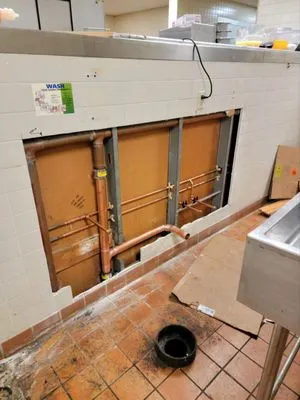
Mike Lambert's Plumbing & Heating
Mike Lambert's Plumbing & Heating is a family-owned, licensed plumbing contractor serving Spencer, MA, and surrounding areas. We provide comprehensive plumbing and heating solutions for both residenti...
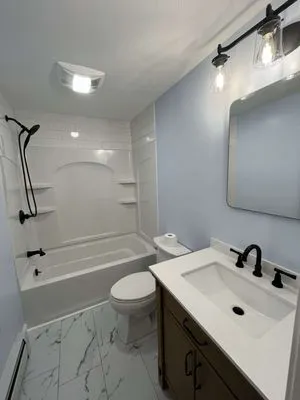
Messina Solutions is a family-owned and operated plumbing company proudly serving Paxton, Worcester, Holden, and the surrounding areas. With over two decades of experience, our licensed and insured pr...

For over [X] years, Mahoney Plumbing & Heating has been Worcester's trusted, family-owned plumbing and heating service. We understand the specific challenges Worcester homeowners face, from pipe corro...

As a lifelong resident of Central Massachusetts, I've built my business, Richard T McMaster Sr, on a foundation of local pride and professional dedication. West Brookfield is my home, and I take great...

Unicum Luxus Interior Design in Worcester, MA, is a family-run, women-owned business founded by a brother-sister team dedicated to turning home remodeling ideas into reality. We combine a passion for ...

The Helpful Handyman Co in Leominster, MA, is a locally owned small business specializing in urgent service calls and small home repairs. Founded in 1989 by a carpenter with decades of experience, the...
Estimated Plumbing Costs in Fitzwilliam, NH
FAQs
What permits are needed for a water heater replacement in Fitzwilliam, NH?
The Fitzwilliam Building Department requires a permit for a water heater replacement due to the energy and plumbing code implications. As a master plumber licensed by the New Hampshire Office of Professional Licensure and Certification, I pull that permit, schedule the required inspections, and ensure the installation meets all state and local codes. I handle that red tape so you don't have to navigate town hall procedures.
How long does it take for a plumber to get to Fitzwilliam for an emergency call?
From my shop, a typical dispatch route heads past Fitzwilliam Town Common onto NH Route 119. Depending on your exact location off the main corridor, I plan for 45 to 60 minutes to arrive with the correct truck and parts. Traffic is rarely the issue; the variable is navigating the specific hill or driveway to reach your home efficiently.
Could the hilly land around Fitzwilliam Town Common cause plumbing problems?
The slope absolutely stresses plumbing. For drainage, it can cause low spots in yard lines where waste and sediment collect, leading to slow drains or backups. For your main water line from the well, the constant pressure changes from the elevation drop can fatigue older pipes and fittings. Soil movement on hillsides also puts lateral stress on buried lines, risking cracks or separated joints.
Are septic and well issues handled differently in rural Fitzwilliam than in a town?
Completely. In a rural setting like ours, your septic system and well are private, owner-maintained assets. There's no municipal department to call for a sewer backup or water main break. This means proper maintenance, like septic pumping every 3-5 years and well water testing, is critical to avoid emergencies that are solely your responsibility to fix.
Why do I keep getting pinhole leaks in my copper pipes?
Copper pipes installed in 1978 are prone to pinhole leaks from internal corrosion, a process accelerated by our local water chemistry. Over decades, the protective interior coating wears thin, allowing acidic water to erode specific spots. The leaks often appear first on horizontal hot water lines or at solder joints that have become calcified and brittle from constant thermal expansion and contraction.
Our Fitzwilliam home was built around 1978. Should I be worried about the plumbing?
Your copper plumbing is now 48 years old. That's a full service life. Homeowners in Fitzwilliam Village are commonly seeing the first signs of systemic wear: persistent blue-green stains around faucet bases, a slight metallic taste in the water, and the need for more frequent fixes on older fixtures. This isn't a sudden failure, but a predictable phase where the original installation materials begin to degrade uniformly across the neighborhood.
Does having a private well in Fitzwilliam damage my water heater?
Yes, it often does. Untreated well water here is typically acidic and corrosive. This water attacks the anode rod in your water heater aggressively, dissolving it years faster than with treated municipal water. Once that rod is gone, the tank's steel lining corrodes, leading to premature failure, rusty water, and sediment buildup that reduces efficiency and hot water capacity.
What's the most important spring plumbing maintenance for a Fitzwilliam home?
Before the spring thaw peaks, disconnect any garden hoses from your exterior faucets. A hose left connected traps water in the bib, which can freeze and burst the pipe inside your wall, even during a late cold snap. This simple, temperate-climate pro-tip prevents one of the most common and costly water damage calls I see after our 10-degree winters.
