Top Emergency Plumbers in Epping, NH, 03042 | Compare & Call

There are 96 plumbing companies server in Epping NH

Hawkeye in Marblehead, MA, is a trusted home inspection and environmental testing service with deep roots in the community. Founded by Peter Ottowitz, who built the business on over 20 years of experi...
Drain-A-Max is a trusted plumbing service in Woburn, MA, specializing in comprehensive solutions for common local plumbing problems. Many Woburn homes face issues like toilet seal leaks and hard water...

Broco Energy is a veteran-owned, Haverhill-based company founded in 2007 by U.S. Navy Seabee and Massachusetts Fire Captain Robert Brown and his wife, Angela. From its Massachusetts roots, the company...
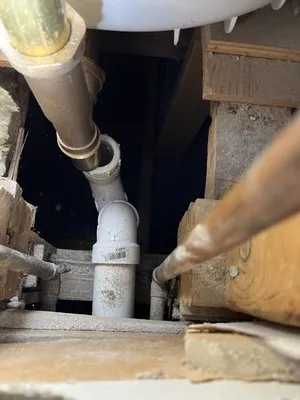
David M Murphy Plumbing, Heating & Gas Fitting
David M Murphy Plumbing, Heating & Gas Fitting has been a trusted name in Lowell and the Merrimack Valley since 1983. As a Master Plumber and Gas Fitter licensed in both Massachusetts and New Hampshir...
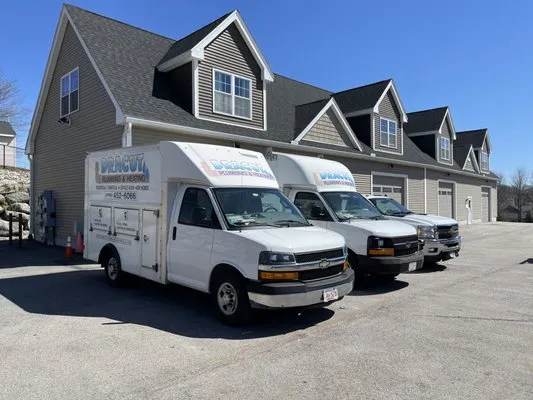
Dracut Plumbing & Heating
For over 30 years, Dracut Plumbing & Heating has been the trusted, family-owned choice for plumbing and heating needs across the Merrimack Valley and Southern New Hampshire. Since 1996, we've built la...

Sean's Handyman Service, founded by Sean Waight in 2021, is a licensed handyman business serving Amesbury, MA. With four years of experience, Sean brings a passion for craftsmanship and home improveme...
Taft Plumbing & Heating is a Tyngsboro-based plumbing company built on family tradition and a genuine passion for the trade. Following in his father's footsteps, the owner has dedicated his career to ...
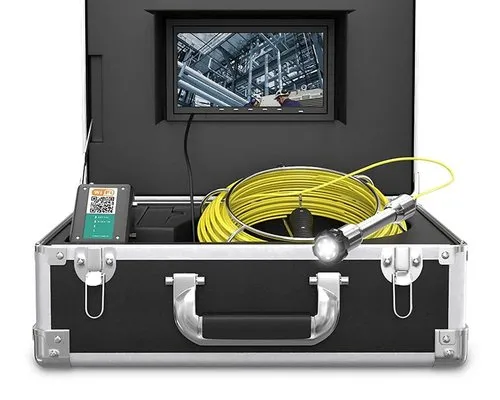
FlowGeek Sewer and Drain is a veteran-owned plumbing service based in Haverhill, MA, bringing over 25 years of combined experience to every job. We specialize in the full spectrum of drain and sewer s...
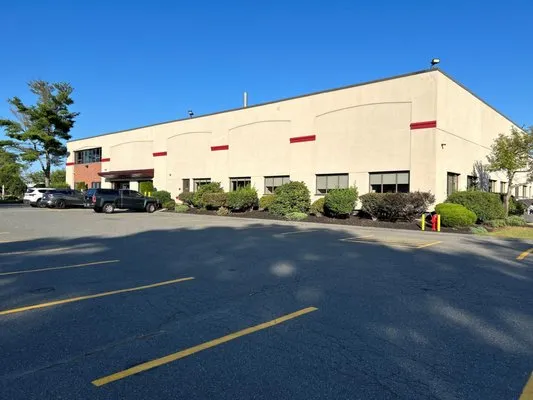
CommTask
CommTask is a dedicated service partner for businesses in Wakefield, MA, focused on keeping commercial and industrial facilities operating without interruption. We provide thorough plumbing inspection...

RJ Morello Inc has been a trusted plumbing provider in the Woburn area since 1989, founded by Roger J Morello with a commitment to quality work and dependable service. As a full-service company, we ha...
Estimated Plumbing Costs in Epping, NH
Frequently Asked Questions
How quickly can a plumber reach my home in Epping?
Heading past Pawtuckaway State Park on NH-101 puts me on the main route into Epping Village. From there, local roads connect to most neighborhoods. A typical dispatch takes 45-60 minutes depending on traffic and your exact location. I plan routes to minimize travel time while carrying necessary parts for common local issues.
My copper pipes are from 1986 - what should I expect at this age?
Copper plumbing installed around 1986 is now 40 years old. Homeowners in Epping Village are seeing pinhole leaks develop in straight pipe runs, especially where water sits overnight. The copper has thinned from decades of water flow, and acidic well water accelerates this wear. You might notice small damp spots on ceilings or walls before major failures occur.
Who handles permits for plumbing work in Epping?
The Epping Building Department issues local permits, while the New Hampshire Office of Professional Licensure and Certification oversees state licensing. As a master plumber, I handle this red tape so you don't have to. Proper permits ensure work meets current codes, which matters for insurance claims and future home sales. Licensed work also comes with warranties that protect your investment.
Why do my 1980s copper pipes keep springing leaks?
Copper pipes from the mid-1980s often develop pinhole leaks due to corrosion from acidic well water. The solder joints can also calcify over time, creating weak points. These failures typically appear first in hot water lines and at fixture connections. Regular inspections can catch thinning sections before they rupture.
Are there special considerations for rural plumbing in Epping?
Rural properties with private wells and septic systems require coordinated maintenance. Well pump pressure affects fixture performance, while septic field location dictates where drainage lines can run. Unlike municipal systems, you control both water supply and waste disposal. Keeping these systems balanced prevents backups and ensures consistent water pressure throughout your home.
How does hilly terrain affect my home's drainage system?
The slopes around Pawtuckaway State Park create drainage challenges for homes built on similar terrain. Downhill properties often get excessive groundwater during heavy rains, which can overwhelm perimeter drains. Uphill homes may experience main line stress from soil movement. Proper grading and French drains help manage these natural water flows.
Does acidic well water damage my plumbing fixtures?
Acidic water from private wells corrodes water heater elements and brass fittings over time. You might notice blue-green stains on fixtures or reduced water heater efficiency. Installing a whole-house neutralizer protects your plumbing system. Without treatment, fixtures may need replacement every 5-7 years instead of lasting decades.
What plumbing issues should I watch for during spring thaw?
Spring thaw brings ground movement that can stress main water lines entering your home. Check for new damp spots in your basement or crawlspace after the ground thaws. A pro-tip for our temperate climate: insulate exposed pipes before winter, then inspect connections once temperatures consistently stay above freezing. This prevents emergency calls during peak thaw periods.
