Top Emergency Plumbers in Chester, NH, 03036 | Compare & Call

There are 238 plumbing companies server in Chester NH
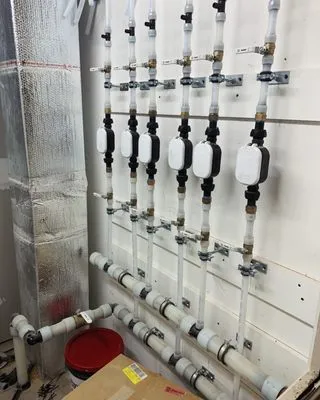
ER Services Plumbing and Heating
ER Services Plumbing and Heating LLC is a licensed and bonded plumbing and heating company serving Lawrence, MA, and surrounding communities. We specialize in both residential and commercial plumbing ...
Malden Plumbing Services, led by Jayden, has been a trusted local name in Boston since 2018. We are dedicated to solving plumbing challenges with a blend of hands-on skill and modern diagnostic techno...
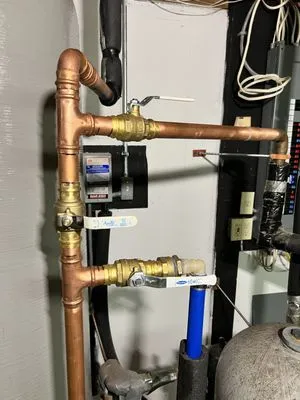
Maxwell Mechanical Plumbing & Heating
Maxwell Mechanical Plumbing & Heating has been serving Chelmsford, MA, and surrounding areas for over 20 years, providing expert plumbing, heating, and mechanical contracting services. We specialize i...

JLB Plumbing & Mechanical
JLB Plumbing & Mechanical is a veteran-owned plumbing and mechanical service provider based in Wakefield, MA, with over 5 years of experience serving residential, commercial, and industrial clients ac...

PHD Plumbing & HVAC
PHD Plumbing & HVAC is a family-owned and operated business serving Bradford and the surrounding area since 1999. Licensed in both Massachusetts (MA - Lic # 13471) and New Hampshire (NH - Lic # 4062),...

Airco Home Comfort Services
Airco Home Comfort Services was founded in 1997 by Steven Duarte, building on a partnership formed while working at a major national provider. The team realized they could offer greater value by worki...

Hawkeye in Marblehead, MA, is a trusted home inspection and environmental testing service with deep roots in the community. Founded by Peter Ottowitz, who built the business on over 20 years of experi...

Green Team Drains
Green Team Drains has been Boston's trusted plumbing partner since 2016. Founded by a Boston Local 12 Plumbers' Union-certified master plumber with over two decades of experience, our team is built on...
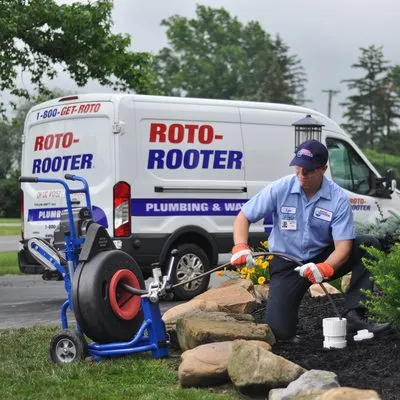
Roto-Rooter Plumbing & Water Cleanup
Roto-Rooter Plumbing & Water Cleanup in Lowell, MA is a locally trusted plumbing service available 24/7 for homeowners and businesses. Our team of dependable, fast, and friendly plumbers provides comp...
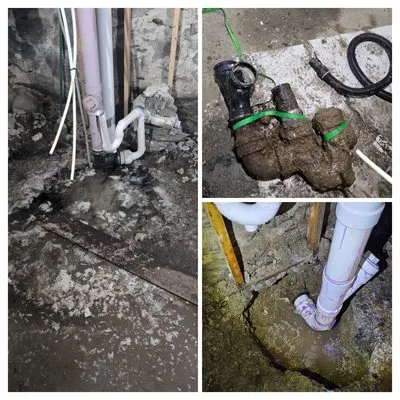
Jeneral Plumbing
Founded by Kris and Jennifer Record, Jeneral Plumbing is a family-owned business serving Westford, MA, with over two decades of combined plumbing experience. Inspired by their family and guided by the...
Estimated Plumbing Costs in Chester, NH
Common Questions
Our house was built in the 1960s. What should I expect from my plumbing?
Homes in Chester Village built around 1966 now have copper pipes that are about 60 years old. This is the typical lifespan for that material. You're likely seeing more frequent pinhole leaks, especially behind walls or under slabs, as the pipe walls thin from decades of internal water flow. Proactive replacement planning is often more cost-effective than repeated emergency repairs at this stage.
Does well water ruin water heaters and fixtures faster?
Yes, the acidic and corrosive nature of untreated well water in Chester directly shortens appliance lifespans. Water heater anode rods deplete rapidly, leaving the tank vulnerable to rust. Fixture valves and cartridge seats wear down from abrasion caused by microscopic mineral particles. Installing a whole-house acid neutralizer and sediment filter is the standard defense to protect your investment.
Why do I keep getting pinhole leaks in my copper pipes?
Copper pipes installed in 1966 are susceptible to pinhole leaks due to a process called type 1 pitting corrosion. Over 60 years, microscopic imperfections in the pipe's interior can develop into concentrated pits that eventually penetrate the wall. This is accelerated by the corrosive water common from private wells here. The leaks often start at solder joints or horizontal pipe runs where sediment settles.
What's the best thing to do for my plumbing before spring?
The critical task is insulating any pipes in unheated crawl spaces or against exterior walls before temperatures hit that 12°F low. More importantly, as the spring thaw peaks, walk your property to check for soggy ground or new erosion near your main water line entry point. Thawing ground can shift pipes and expose previously buried lines to freeze risk.
Are plumbing issues different in a rural town like Chester?
Rural plumbing revolves around your private well and septic system, a closed loop you're entirely responsible for. Issues are rarely just a single clogged drain; a backup often indicates a full septic tank or a failing leach field. You don't have municipal water pressure to mask problems like a slow well pump, so changes in flow rate are an early warning sign to heed.
How fast can a plumber get to a house in Chester?
From our base near Wason Pond, a standard dispatch heads out on NH-102 toward the village. That route typically takes 45 to 60 minutes depending on your specific road. We factor this travel time into our scheduling to give you a realistic arrival window, so you're not left wondering.
What permits are needed for a water heater or repipe in Chester?
The Chester Building Department requires permits for water heater replacements and any major repiping. As a Master Plumber licensed by the New Hampshire Office of Professional Licensure and Certification, I pull those permits, schedule the required inspections, and ensure the work meets all state and local codes. Handling that red tape is part of the job so you don't have to navigate it.
Could the hilly land around here cause plumbing problems?
The hilly terrain, like the slopes around Wason Pond, puts constant static pressure on the main water line running from your well to your house. This stress can fatigue older pipes and fittings. It also complicates drainage; a home built into a slope may have a sewer line or septic field that doesn't gravity-drain properly, leading to chronic slow drains or backups.
