Top Emergency Plumbers in Auburn, NH, 03032 | Compare & Call

There are 235 plumbing companies server in Auburn NH
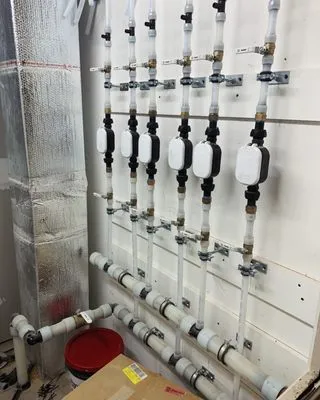
ER Services Plumbing and Heating
ER Services Plumbing and Heating LLC is a licensed and bonded plumbing and heating company serving Lawrence, MA, and surrounding communities. We specialize in both residential and commercial plumbing ...
Malden Plumbing Services, led by Jayden, has been a trusted local name in Boston since 2018. We are dedicated to solving plumbing challenges with a blend of hands-on skill and modern diagnostic techno...
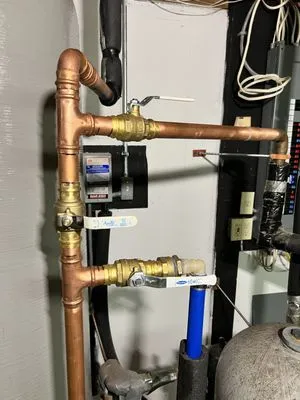
Maxwell Mechanical Plumbing & Heating
Maxwell Mechanical Plumbing & Heating has been serving Chelmsford, MA, and surrounding areas for over 20 years, providing expert plumbing, heating, and mechanical contracting services. We specialize i...

JLB Plumbing & Mechanical
JLB Plumbing & Mechanical is a veteran-owned plumbing and mechanical service provider based in Wakefield, MA, with over 5 years of experience serving residential, commercial, and industrial clients ac...

PHD Plumbing & HVAC
PHD Plumbing & HVAC is a family-owned and operated business serving Bradford and the surrounding area since 1999. Licensed in both Massachusetts (MA - Lic # 13471) and New Hampshire (NH - Lic # 4062),...

Airco Home Comfort Services
Airco Home Comfort Services was founded in 1997 by Steven Duarte, building on a partnership formed while working at a major national provider. The team realized they could offer greater value by worki...

Hawkeye in Marblehead, MA, is a trusted home inspection and environmental testing service with deep roots in the community. Founded by Peter Ottowitz, who built the business on over 20 years of experi...

Green Team Drains
Green Team Drains has been Boston's trusted plumbing partner since 2016. Founded by a Boston Local 12 Plumbers' Union-certified master plumber with over two decades of experience, our team is built on...
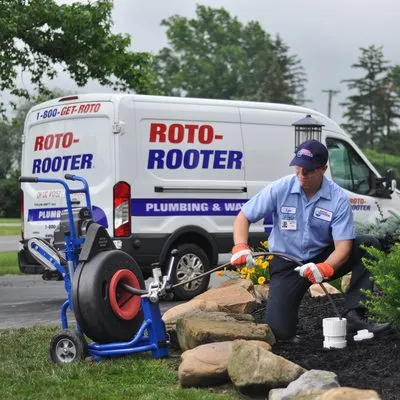
Roto-Rooter Plumbing & Water Cleanup
Roto-Rooter Plumbing & Water Cleanup in Lowell, MA is a locally trusted plumbing service available 24/7 for homeowners and businesses. Our team of dependable, fast, and friendly plumbers provides comp...
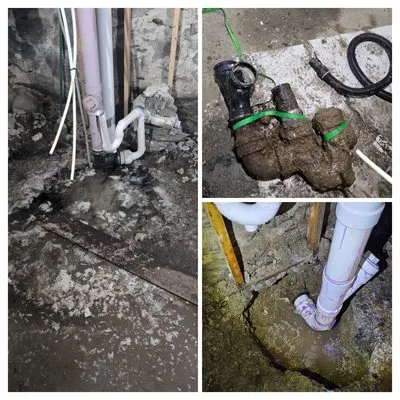
Jeneral Plumbing
Founded by Kris and Jennifer Record, Jeneral Plumbing is a family-owned business serving Westford, MA, with over two decades of combined plumbing experience. Inspired by their family and guided by the...
Estimated Plumbing Costs in Auburn, NH
Frequently Asked Questions
How does well water affect my plumbing fixtures in Auburn?
Private wells in Auburn typically have acidic, corrosive water that wears down fixtures and water heaters faster. This water can cause premature failure of anode rods in water heaters, leading to tank corrosion. Fixtures like faucets and valves may develop leaks or reduced flow due to mineral buildup and metal degradation over time.
What unique plumbing challenges come with Auburn's rural setting?
Rural homes here rely on private wells and septic systems, which require regular maintenance to avoid backups or contamination. Well pumps and pressure tanks need periodic checks to ensure consistent water flow. Septic lines should be inspected for root intrusion or blockages, especially in wooded areas common around Auburn Village.
Why do older copper pipes in Auburn develop leaks?
Copper pipes from the late 1980s often fail due to pinhole leaks caused by corrosion from acidic well water. Joint calcification can also occur, where mineral deposits weaken solder connections over decades. These issues are accelerated in homes with original plumbing, as the copper has endured years of water flow and pressure cycles.
My Auburn Village home was built around 1989—what should I expect from my plumbing now?
Copper pipes installed in 1989 are about 37 years old as of 2026. At this age, homeowners often notice pinhole leaks developing, especially in hot water lines where thermal expansion stresses the metal. Scale buildup inside pipes can reduce water pressure over time. It's common to see greenish corrosion around joints or fixtures, indicating the copper is nearing the end of its typical service life in our area.
How quickly can a plumber reach my home in Auburn?
Heading past Massabesic Lake on NH-101, our dispatch route covers most of Auburn within 45-60 minutes. Traffic on NH-101 can add time during peak hours, but we plan routes to minimize delays. For urgent calls, we prioritize direct paths through Auburn Village to ensure timely service.
Does Auburn's hilly terrain impact my home's drainage?
Hilly slopes around Massabesic Lake can strain main water lines due to soil movement and erosion. Drainage systems may struggle with runoff, increasing pressure on pipes during heavy rains. Proper grading and secure pipe anchoring help mitigate these stresses, but older installations might show signs of wear at low points or bends.
Who handles permits and regulations for plumbing work in Auburn?
I manage all required permits through the Auburn Building Department and maintain credentials with the New Hampshire Office of Professional Licensure and Certification. This ensures compliance with local codes and state standards, so homeowners don't need to navigate the red tape themselves. Proper documentation protects your investment and avoids legal issues down the line.
What plumbing issues should I watch for during Auburn's spring thaw?
Spring thaw can cause ground shifts that stress underground pipes, especially near foundations. Check for leaks in basements or crawl spaces as temperatures rise above freezing. A pro-tip: inspect your main water line and outdoor spigots for cracks or seepage after thaw cycles to catch small issues before they become emergencies.
