Top Emergency Plumbers in Wayne, NE, 68787 | Compare & Call

There are 236 plumbing companies server in Wayne NE
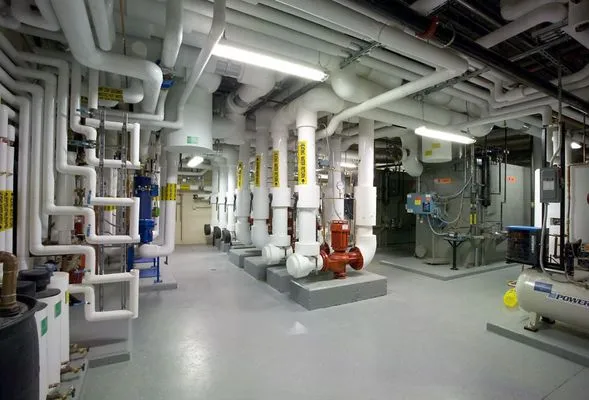
Midwestern Mechanical
Midwestern Mechanical has been a trusted provider of plumbing, heating, HVAC, and fire protection services in Sioux Falls and the surrounding region since 1983. Founded by Dwayne Klarenbeek, the compa...

The Drain Doctor is your trusted Yankton plumbing specialist, providing reliable solutions for common local plumbing headaches. We understand how frustrating drain clogs and kitchen grease buildups ca...
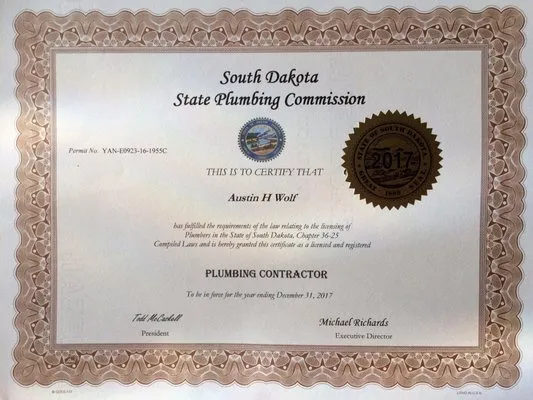
605 Plumbing & Heating is your trusted, local plumbing expert serving Yankton and the surrounding areas. We specialize in comprehensive plumbing inspections to proactively identify and address the spe...
Spartan Plumbing is Yankton's trusted, full-service plumbing company, dedicated to keeping local homes and businesses running smoothly. We understand the common frustrations Yankton residents face, li...
Larry's Plumbing Service has been a trusted name in Yankton, SD, since 1978, founded by Larry and Wanda Dolejsi. As a licensed plumbing contractor certified by the State of South Dakota to install ind...
Kevin's Plumbing Service is Yankton's trusted local plumbing expert, specializing in the unique challenges our community faces. From the persistent hard water scale common in our area to the seasonal ...
Yankton Plumbing is your trusted local plumbing expert in Yankton, SD, dedicated to keeping homes and businesses running smoothly. We specialize in thorough plumbing inspections to identify potential ...
For over 30 years, Feifar Plumbing & Heating has been Yankton's trusted family-owned plumbing expert. We understand the specific challenges local homeowners face, from persistent pipe joint leaks in o...
Floyd's Plumbing is Yankton's trusted, full-service plumbing company. We handle everything from routine faucet repairs to complex sewer and gas line installations. Serving Yankton and the surrounding ...
Steve's Comfort Systems
Steve Bell founded Steve's Comfort Systems in Vermillion, SD, in 1979, driven by a passion for helping people find healthy, practical, and effective solutions for their home and business mechanical sy...
Estimated Plumbing Costs in Wayne, NE
FAQs
What should I do before spring thaw to prevent plumbing problems?
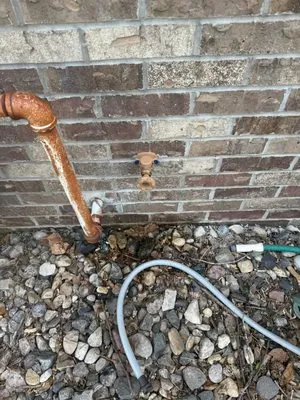
Before temperatures rise above freezing, disconnect garden hoses and shut off exterior faucets from inside. Check crawl spaces and basements for pipes that may have developed hairline cracks during winter. Insulate exposed pipes in unheated areas, as rapid thawing can reveal weaknesses. Schedule a pressure test if your system is over 40 years old.
Why do my 1970s copper pipes keep springing small leaks?
Copper pipes from that era develop pinhole leaks due to decades of hard water flow and electrolytic corrosion. The thin walls wear unevenly, creating weak spots that fail under normal pressure. Joint calcification also stresses connections, leading to drips behind walls or under slabs. These issues typically manifest after 40-50 years of service.
Does Wayne's hard water damage plumbing fixtures?
Water from the Ogallala Aquifer contains high mineral content that causes scale buildup. Over time, this accumulation reduces water heater efficiency by insulating heating elements and narrowing pipe diameters. Fixtures like showerheads and faucet aerators clog faster, requiring frequent cleaning or replacement. Installing a whole-house water softener can mitigate these effects.
Are septic systems common for homes outside central Wayne?
Rural properties around Wayne often rely on septic systems and private wells rather than municipal connections. These require regular maintenance—pumping every 3-5 years and well water testing for mineral content. Pressure tanks and treatment systems need monitoring to prevent hard water damage. Municipal water users in town face different challenges like main line breaks or pressure fluctuations.
How long do copper pipes last in older Wayne homes?
Copper pipes installed around 1976 are now 50 years old. In College Hill, homeowners are seeing increased frequency of pinhole leaks and joint calcification. This age represents the typical lifespan for copper in our hard water conditions, where mineral buildup accelerates wear. Many properties need partial repiping or proactive leak monitoring systems installed.
Who handles permits for plumbing work in Wayne?
The Wayne City Building Department issues local permits, while the Nebraska State Department of Health and Human Services oversees code compliance. As a licensed master plumber, I manage all paperwork and inspections required for repiping, water heater replacements, or septic modifications. This ensures work meets current standards without homeowners navigating bureaucratic processes.
How quickly can a plumber reach my house near Wayne State College?
Heading past Wayne State College on NE-15, most dispatch routes from central Wayne take 20-30 minutes. Traffic patterns are predictable around campus schedules, allowing efficient routing. We factor in College Hill's layout to minimize response time during emergencies like burst pipes or water heater failures.
Could the flat land around Wayne State College affect my main sewer line?
Plain terrain provides minimal natural drainage, causing water to pool during heavy rains. This saturation puts hydrostatic pressure on main lines, potentially leading to joint separation or root intrusion. Soil shifting from freeze-thaw cycles can stress older cast iron or clay pipes. Proper grading around foundations helps divert water away from critical infrastructure.
