Top Emergency Plumbers in Saint Paul, NE, 68873 | Compare & Call

There are 144 plumbing companies server in Saint Paul NE

Water Treatment Pros
Water Treatment Pros in Lincoln, NE, is your local, independent expert for clean, reliable water and dependable plumbing. We are Hydrotech and Canature certified technicians with a Master Plumber on s...
Aqua Plumbing & Heating, L.L.C. has been Crete's trusted plumbing and heating specialist since 1991. As a Master Plumber Certified company and authorized North Star Distributor, we provide reliable re...
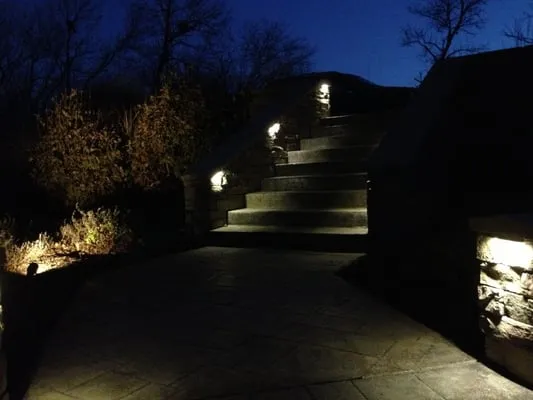
Hunt Irrigation has been a trusted local resource in Lincoln since 1997, founded by Jeremy Hunt. Recognized early on for quality, the business was named Irrigation Company of the Year within just two ...
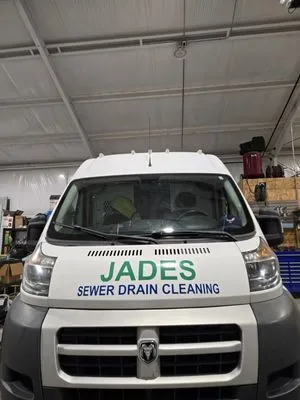
Jades Sewer Drain Cleaning is a family-owned plumbing service in Hastings, NE, founded on a genuine desire to help people during stressful sewer and drain emergencies. With over 25 years of combined e...
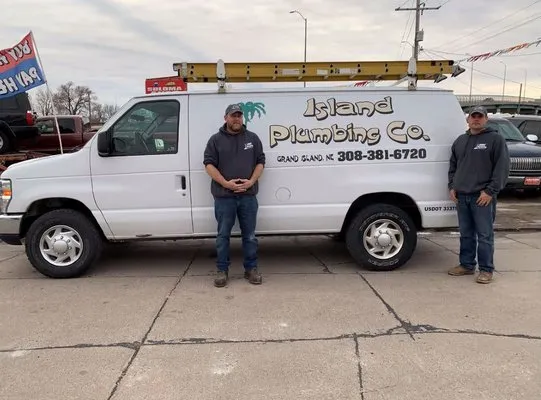
Island Plumbing
Island Plumbing has been the trusted plumbing service in Grand Island, NE since 1987, providing reliable solutions for both residential and commercial properties. Our team specializes in a wide range ...
Herman Plumbing
Since 1938, Herman Plumbing has been a trusted fixture in Grand Island, providing reliable plumbing services across generations. Founded by Al Herman, the business is now a family-run operation led by...
Larry's Plumbing has been the trusted, family-owned plumbing service in Grand Island since 1988. Owner and master plumber Larry Callahan brings decades of local expertise to every job, understanding t...
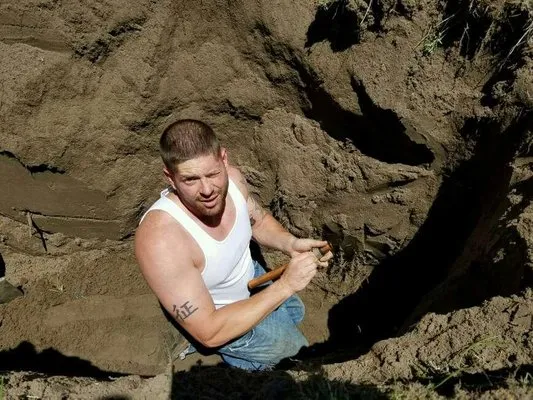
Extreme Plumbing Company LLC is a trusted, family-owned plumbing service that has been serving the Grand Island, NE community since 2002. With a deep well of 35 years of combined experience, our team ...
Mission Plumbing is your trusted, local plumber serving Minden, NE, and the surrounding area. We specialize in a full range of residential plumbing services, from routine repairs to complete installat...

Eberl Plumbing & Drain
Eberl Plumbing & Drain is a trusted, family-owned plumbing service provider serving Grand Island, NE, and the surrounding area. As a fully licensed company, we offer complete plumbing solutions for re...
Estimated Plumbing Costs in Saint Paul, NE
FAQs
What plumbing precautions should I take before spring thaw in Saint Paul?
With lows around 12°F and spring thaw creating peak pressure on plumbing systems, insulate exposed pipes in crawl spaces and basements before temperatures drop. Drain outdoor spigots completely and shut off their interior valves. Check for foundation cracks where freezing ground shifts could stress your main water line entering the home.
My Downtown Saint Paul home was built around 1959 - what should I expect from my plumbing now?
Galvanized steel pipes installed in 1959 are 67 years old in 2026. Homeowners in Downtown Saint Paul are seeing significant rust buildup and reduced water pressure as the interior diameter shrinks. You might notice brownish water when you first turn on taps, especially after periods of non-use. This corrosion accelerates after 50 years, and complete pipe failure becomes increasingly likely.
How quickly can a plumber reach my Downtown Saint Paul location?
Heading past Howard County Courthouse on US-281 provides the most direct route to Downtown Saint Paul properties. This dispatch path typically takes 45-60 minutes depending on traffic and exact destination. We factor in Howard County Courthouse as our central reference point when estimating arrival times for service calls in your area.
Does Middle Loup River water damage my plumbing fixtures?
Hard water from the Middle Loup River causes scale buildup that reduces efficiency in water heaters and fixtures. Mineral deposits accumulate on heating elements, forcing your water heater to work harder while providing less hot water. Faucet aerators and showerheads clog more frequently, and you'll notice white crusty deposits around fixture openings over time.
As a rural Saint Paul homeowner, what unique plumbing issues should I watch for?
Rural properties around Saint Paul typically have private wells and septic systems rather than municipal connections. Well pumps and pressure tanks require regular maintenance, and hard water accelerates wear on their components. Septic systems need periodic pumping every 3-5 years, and drain fields can fail if overloaded with water or improper waste.
Why do my old galvanized pipes keep developing leaks?
Galvanized steel pipes from 1959 experience joint calcification and pinhole leaks as the zinc coating deteriorates. The steel underneath corrodes unevenly, creating weak spots that fail under normal water pressure. You'll often find these leaks at threaded connections where dissimilar metals meet, or along horizontal runs where sediment accumulates and accelerates corrosion.
How does the flat terrain around Howard County Courthouse affect my drainage?
Plain terrain near Howard County Courthouse provides minimal natural slope for drainage, which can lead to water pooling around foundations during heavy rains. This puts constant hydrostatic pressure on your main sewer line. Without proper grading, soil saturation can cause settlement that stresses pipe joints and creates low spots where debris accumulates in drain lines.
Who handles permits and inspections for plumbing work in Saint Paul?
I coordinate directly with the Saint Paul City Office for all required permits and the Nebraska State Board of Health for code compliance. My credentials cover the necessary approvals for water heater replacements, sewer line repairs, and fixture installations. This ensures your project meets local regulations without you navigating bureaucratic processes.
