Top Emergency Plumbers in Gothenburg, NE, 69138 | Compare & Call

There are 102 plumbing companies server in Gothenburg NE
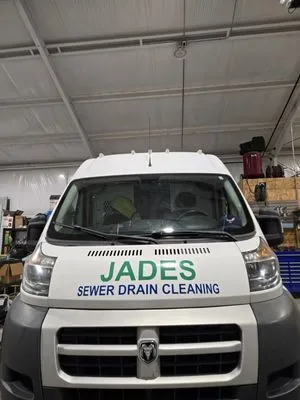
Jades Sewer Drain Cleaning is a family-owned plumbing service in Hastings, NE, founded on a genuine desire to help people during stressful sewer and drain emergencies. With over 25 years of combined e...
Herman Plumbing
Since 1938, Herman Plumbing has been a trusted fixture in Grand Island, providing reliable plumbing services across generations. Founded by Al Herman, the business is now a family-run operation led by...
Mission Plumbing is your trusted, local plumber serving Minden, NE, and the surrounding area. We specialize in a full range of residential plumbing services, from routine repairs to complete installat...

Eberl Plumbing & Drain
Eberl Plumbing & Drain is a trusted, family-owned plumbing service provider serving Grand Island, NE, and the surrounding area. As a fully licensed company, we offer complete plumbing solutions for re...
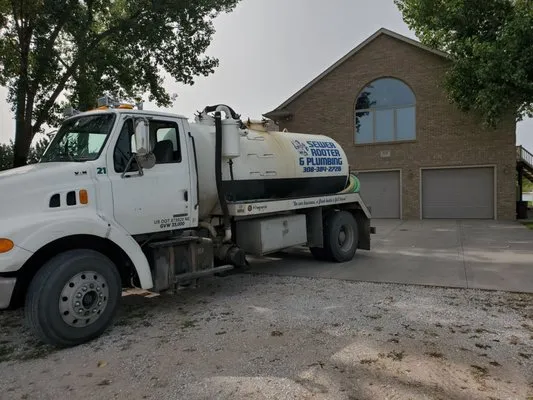
Sewer Rooter & Plumbing
Sewer Rooter & Plumbing Inc. is a locally owned and operated full-service plumbing business serving Grand Island, NE. As a licensed plumber service, we provide comprehensive solutions including sales,...

Double J Plumbing & Contracting
Double J Plumbing & Contracting is a trusted local business serving Gibbon, NE, and surrounding areas. We specialize in a comprehensive range of plumbing and contracting services, from bathroom and ki...
All American Sewer & Drain LLC is your Kearney-based specialist for comprehensive sewer, drain, and septic system solutions. From routine plumbing inspections and water heater installations to complex...
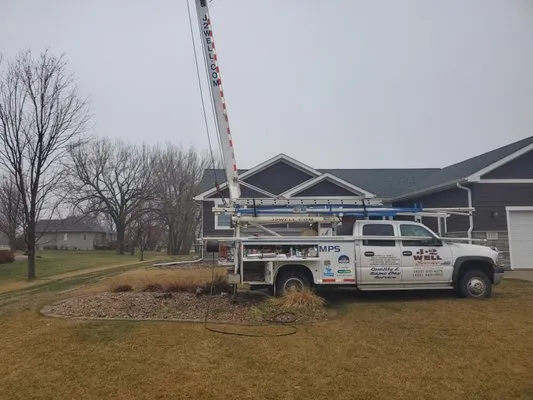
J2 Well Service has been serving Roseland and surrounding communities for over 30 years, specializing in comprehensive water well and plumbing solutions. With deep expertise in domestic wells, we inst...

Dye Plumbing is your trusted, local plumbing service in Gibbon, Nebraska, owned and operated by Scott. With 22 years of hands-on plumbing experience, Scott returned to Nebraska to build a reliable, co...

Hersh Digging is a trusted, locally-owned utility installation contractor serving Kenesaw and the surrounding area. We specialize in underground work for both residential and commercial projects. Our ...
Estimated Plumbing Costs in Gothenburg, NE
Question Answers
My yard near Lake Helen is always soggy. Could that affect my sewer line?
The flat, plain terrain around Gothenburg doesn't promote natural runoff, so water tends to saturate the soil. This constant dampness around your main sewer line can lead to two issues. First, it softens the ground, which may allow the pipe to settle or shift, stressing the joints. Second, if you have a septic system, a high water table can flood the drain field, causing backups into the home because the effluent has nowhere to go.
What's the most important thing to do for my plumbing before winter in Gothenburg?
The critical task is to disconnect and drain your outdoor garden hoses before the first hard freeze, which can dip to around 14°F. A trapped hose backpressures water into the faucet and supply line inside your wall, where it freezes and splits. Doing this in the fall is more crucial than any other single action for this temperate climate, as the spring thaw is when we see the peak of burst pipe calls from valves that failed months prior.
How fast can a plumber get to me if I have a leak in Gothenburg?
My typical dispatch route has me heading past Lake Helen to catch the I-80 interchange. From there, it's a direct shot into town. For most service calls within the city limits, that translates to a 45 to 60 minute response window. I keep the truck stocked for common local emergencies, so once I'm on-site, we can usually start the repair without an extra parts run.
My water heater keeps failing early. Could our well water be the cause?
Yes, water from the Ogallala Aquifer is very hard, meaning it's rich in dissolved minerals like calcium and magnesium. When heated, these minerals solidify into a rock-like scale that coats the heating elements and tank interior. This scale acts as an insulator, forcing the heater to work harder and overheat, while also trapping corrosion against the tank wall. This accelerated wear is the primary reason for premature water heater failure here.
My water pressure seems low in my older Gothenburg home. Is this just an old house thing?
Your home likely has original galvanized steel pipes from 1966, which means they are 60 years old. At this age, the zinc coating inside the pipes has completely eroded, and the bare steel begins to corrode and accumulate rust scale. Homeowners in Downtown Gothenburg are now seeing severely restricted water flow as this internal buildup can shrink a half-inch pipe down to pencil-thin diameter. This isn't just an old house quirk; it's a predictable failure point for the entire infrastructure generation built in that era.
Do I need a permit to replace my own water heater in Gothenburg?
Yes, the Gothenburg City Clerk Office requires a permit for water heater installation to ensure it meets current building and safety codes, including proper pressure relief valve discharge and seismic strapping. As a master plumber licensed with the Nebraska Department of Health and Human Services, I pull these permits and schedule the required inspections as part of the job. I handle that red tape so you don't have to, and the work is documented for your home's records.
Why do I keep getting pinhole leaks in my basement?
Pinhole leaks are a classic failure of 1960s-era galvanized steel. After six decades, the pipe walls thin from internal corrosion and external pitting. A common spot is at threaded joints, where dissimilar metals or old pipe dope can accelerate galvanic corrosion. The leak often starts as a small seep, but the constant pressure will quickly erode the surrounding metal, turning a pinhole into a spray.
As a rural homeowner, what plumbing system should I pay the most attention to?
Your private well and septic system require the most consistent maintenance. The well pump and pressure tank are mechanical components that wear out. For the septic system, have the tank pumped every three to five years without fail. Neglecting this allows solids to flow into the drain field, clogging it irreparably. Municipal sewer users worry about roots; your focus should be on what happens after the waste leaves the house.
