Top Emergency Plumbers in Thurmond, NC, 28683 | Compare & Call

There are 21 plumbing companies server in Thurmond NC
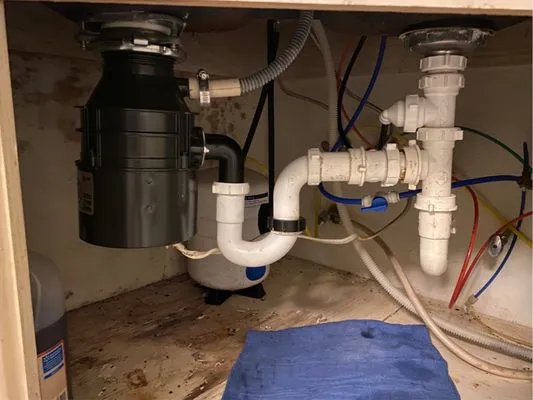
Jose Luis Plumbing is a trusted, locally-owned plumbing service dedicated to serving Charlotte homeowners and businesses. We understand the specific challenges faced in our area, from broken shutoff v...
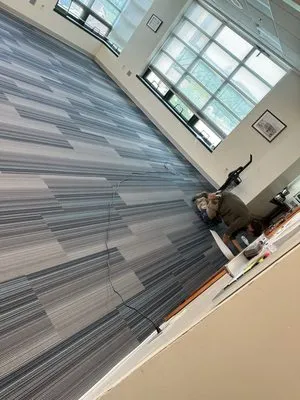
Sutphins Flooring & More
Sutphins Flooring & More is a locally owned and operated family business in Pfafftown, founded on decades of hands-on experience. Owner Travis Sutphins started in construction at age 14, honing his sk...

Gwyn Services
Gwyn Services is a veteran-owned home services company based in Winston Salem, NC, serving the Piedmont Triad and surrounding areas since 1972. We specialize in electrical, plumbing, and HVAC solution...

LiningWorks is your local Mocksville plumbing and septic specialist, providing trenchless pipe repair solutions designed to last. We help homeowners and businesses avoid the mess and expense of tradit...
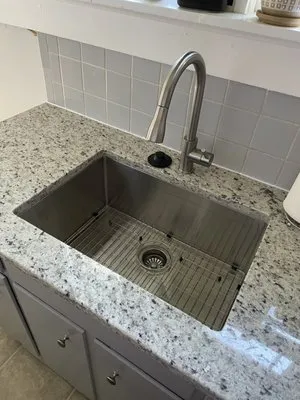
Tank's Plumbing is your trusted, local plumbing service in East Bend, NC. We understand the common headaches homeowners face, from persistent pipe joint leaks to frustrating garbage disposal jams. Our...
County Line Plumbing is your locally owned and operated plumbing expert serving King and the surrounding areas of Stokes and Forsyth counties. As a fully licensed and insured company holding North Car...

Freedom Plumbing is a locally owned and operated plumbing company serving Mount Airy, NC and surrounding areas. Founded in 2021 by a plumber with over 15 years of hands-on experience, we bring a perso...
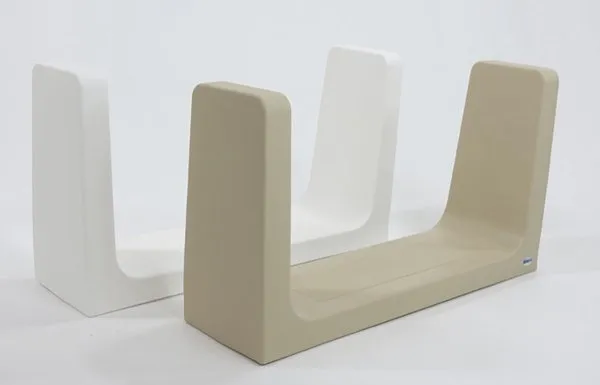
Affordable Bath Conversions is a trusted bathroom remodeling and plumbing specialist serving Glade Valley, NC. We focus on practical, cost-effective solutions for homeowners facing common local plumbi...
Southern Leak Locators serves the Mocksville, NC community by specializing in the precise detection of hidden water leaks. Utilizing advanced, non-invasive technology, the team finds leaks under concr...

Two Day Bath & Shower is a trusted bathroom remodeling company serving Arden, NC, and the surrounding areas since 2011. Fully licensed and insured, they specialize in efficient tub and shower replacem...
Estimated Plumbing Costs in Thurmond, NC
Common Questions
My house in Thurmond was built in the early 80s. Should I be worried about my plumbing?
Homes built around 1982, common here, have copper pipes that are now 44 years old. In the Thurmond Community, we're seeing these systems reach a critical age where pitting and wall thinning become widespread. The original soldered joints are often the first to show fatigue, leading to persistent drips behind walls. Proactive inspection of your main supply lines and fixture shutoffs can identify weak points before a major failure occurs.
Does hard well water ruin water heaters and fixtures?
Yes, the mineral-heavy water from private wells here causes significant scale buildup. Inside a water heater, this sediment insulates the heating element, forcing it to work harder and fail prematurely. On fixtures, scale clogs aerators and corrodes valve seats, leading to low flow and drips. Installing a whole-house water softener or conditioner is the most effective long-term protection for your appliances and plumbing.
What permits do I need for a water heater or bathroom remodel in Wilkes County?
Wilkes County Building Inspections requires permits for water heater replacements, re-pipes, and most bathroom alterations. As a Master Plumber licensed by the North Carolina State Board, I pull these permits as part of the job. This ensures the work meets current code for safety and insurance purposes. Handling the red tape and final inspections is a standard part of the service so you don't have to navigate the county process yourself.
How long does it take for a plumber to get to Thurmond for an emergency call?
Our typical dispatch route has us heading past Stone Mountain State Park on US-21. From there, it's a direct run into the community. Accounting for mountain road conditions, you can expect a 45 to 60 minute response window for urgent calls. We prioritize routing to provide the most reliable ETA possible for residents.
Could the hilly land around here be causing my drainage problems?
Absolutely. The sloping terrain common near Stone Mountain State Park directly impacts drainage. A home built on a hillside can have excessive hydrostatic pressure on the downhill side of the foundation, stressing the main sewer line. Improper grading can also cause surface water to channel toward your home, overwhelming perimeter drains. Evaluating the slope and soil retention around your property is a key part of diagnosing chronic wet spots or backup issues.
What's the most important thing to do to my plumbing before it gets cold?
Before temperatures dip toward 28°F, disconnect and drain all garden hoses. Insulate any exposed pipes in crawlspaces or on exterior walls. The bigger pro-tip for our temperate climate is to manage the spring thaw. Check that your yard's drainage slopes away from the foundation to prevent ground saturation, which can shift pipes and cause joint stress you won't notice until later.
Why do I keep getting pinhole leaks in my copper pipes?
Local copper systems installed in 1982 are susceptible to pinhole leaks due to decades of water chemistry interaction and erosion-corrosion. The thin-walled Type M copper often used then can develop localized pits, especially on hot water lines. This failure is accelerated by our well water's specific mineral content. A full repipe with modern, thicker Type L copper is the definitive repair for a home with multiple failures.
Is maintaining a private well and septic system different from city utilities?
Rural systems require a different approach. Your well pump, pressure tank, and treatment equipment are integral to the home's plumbing and need periodic service, unlike a municipal connection. The septic tank and leach field must be pumped and inspected on a schedule; overloading them with excessive water or wrong materials can cause costly failures. All repairs must account for this self-contained water and waste cycle.
