Top Emergency Plumbers in Swepsonville, NC, 27253 | Compare & Call

There are 96 plumbing companies server in Swepsonville NC
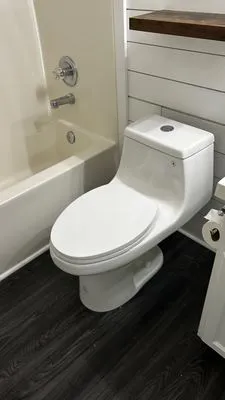
Jayk's is a licensed plumbing and handyman service based in Durham, NC, founded by Jason C. With over 16 years of experience in plumbing and a background in various construction areas since age 15, th...
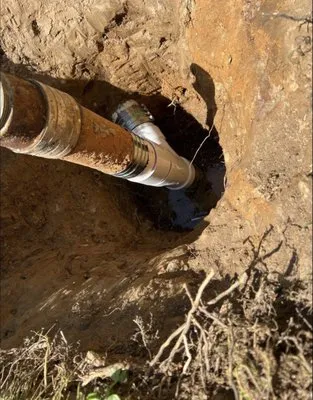
Thor's Plumbing Solutions is a family-operated, licensed plumbing service (Certification # L-36784) serving Hillsborough and the surrounding area. Established in 2024 by local plumber Theron 'Thor' Wi...
Alem is a locally owned, full-service residential contractor in Raleigh, NC, with deep roots in the community. Since starting in 2012 as a real estate agent and investor, we've grown into a comprehens...
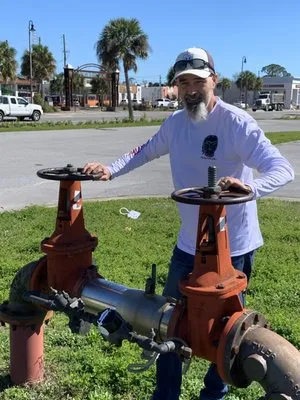
Founded in 2009 and serving the Triangle area, this plumbing service specializes in backflow testing and offers replacement parts. With a background of 16 years in the Fire Service, where the owner at...
Quality Service Today Plumbing & Septic
Quality Service Today Plumbing & Septic was founded on the principle of bringing reliable, honest service to our neighbors in Mebane and the surrounding areas. We are built on the "HIT" principles—Hon...
The Water Specialist
Since 1976, The Water Specialist has been a trusted, family-run provider of essential water services for Hillsborough and the greater Triangle area. Founded by third-generation contractor Ray Sparrow,...

Pipe Dreams of Raleigh is your trusted, locally owned plumbing and water heater specialist serving homeowners across Raleigh, Durham, and the RTP area. We focus on providing reliable solutions for bot...
VDH Plumbing is a family-owned and operated plumbing contractor serving Raleigh, NC, and the surrounding areas. We specialize in both residential and commercial service work, from routine repairs like...
All-Star Labor Services is a family-owned and operated business with deep roots in the Graham, NC community. Founded in 2020, owner's 18 years of hands-on experience began with a decade in landscaping...
Premiere Handy is a trusted, full-service handyman company serving Apex, NC, specializing in both electrical and plumbing repairs and installations. With expertise ranging from circuit breaker work an...
Estimated Plumbing Costs in Swepsonville, NC
Q&A
Our home was built around 2003. Should I be worried about the plumbing now?
Your copper pipes are about 23 years old. In Swepsonville Town Center, we're seeing a predictable phase where original installation materials, like solder and valves, reach the end of their service life. Homeowners often report persistent drips from supply line valves or minor leaks at fixture connections. This isn't a system-wide failure, but a sign to budget for selective replacements before a small leak becomes a larger issue.
Could the hilly land near the Haw River cause plumbing problems?
Yes, the sloping terrain common around Swepsonville stresses main sewer lines. Gravity pulls waste downhill, but the constant force can cause joints in older cast iron or PVC lines to separate over time. For homes built on a slope, we often find that the main cleanout is located at the lowest point of the property, which is the first place to check for a backup during heavy rain when the water table rises.
Are there special plumbing concerns for a rural town like Swepsonville?
Many properties here rely on private wells and septic systems, not municipal water and sewer. Well pumps and pressure tanks require specific maintenance, and septic fields must be inspected regularly to avoid failure. The health of your entire system depends on this balance. Using harsh chemical drain cleaners can kill the bacteria in your septic tank, leading to costly drain field replacements.
Does the water from the Haw River ruin water heaters?
Water sourced from the Haw River basin is hard, meaning it has a high mineral content. Over years, this causes scale to build up inside your water heater tank and on heating elements. The scale acts as an insulator, forcing the unit to work harder and shortening its lifespan. Installing a water softener or scheduling regular tank flushing can mitigate this and extend the heater's service by several years.
Do I need to worry about pipes freezing here in North Carolina?
While our winters are generally temperate, overnight lows can dip to 29°F or below, which is enough to freeze exposed pipes. A pro-tip for this climate is to disconnect and drain garden hoses before the first hard freeze, as ice in the hose bib can back up and crack the interior pipe. Insulating pipes in unheated crawl spaces, common in our older homes, is a cost-effective preventative measure.
How fast can a plumber get to my house in Swepsonville?
Heading past Haw River on I-40, my typical dispatch to Swepsonville takes 45 to 60 minutes. I plan routes to account for traffic patterns around the 40/85 interchange. Once in town, local knowledge of the neighborhoods off Swepsonville Road helps me arrive efficiently. You can expect a call when I'm about 15 minutes out.
What permits are needed for a water heater replacement in Alamance County?
Alamance County Inspections Department requires a permit for any water heater replacement. As a Master Plumber licensed by the North Carolina State Board, I pull all necessary permits and schedule the required inspections. This ensures the installation meets current code for pressure relief valves and seismic straps. I handle the red tape so you don't have to, and the closed permit provides a record for your home's history.
What's the most common plumbing problem in houses from the early 2000s?
For copper systems installed around 2003, pinhole leaks are a frequent issue. The town's hard water accelerates internal corrosion, particularly in hot water lines. These leaks often start in horizontal runs in ceilings or walls. Early signs include a sudden drop in water pressure or a small, unexplained stain on drywall. Catching them early prevents costly water damage repairs.
